Steel Building Manufacturer: OEM and ODM Services for Importers and Developers

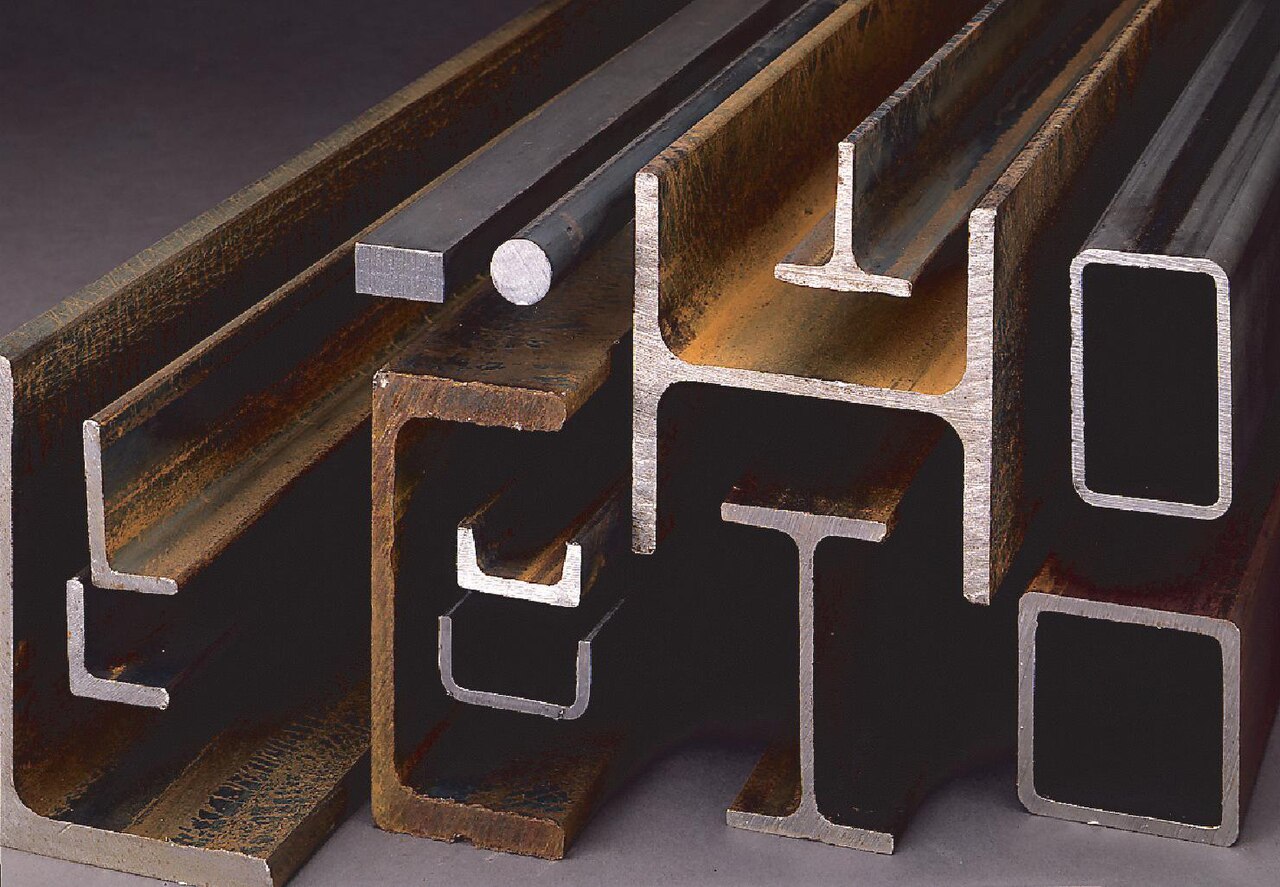
OEM and ODM are not buzzwords in steel structure procurement — they define who owns the design and how much you can customize. In an OEM project you supply the design or drawings and the factory fabricates to them; in an ODM project the manufacturer engineers the building from your requirements and you approve the result. Most export buyers actually work in a hybrid: the factory designs to your local code, and you control the layout, cladding and accessories. Understanding the difference helps you pick the right prefab steel warehouse supplier and avoid paying for engineering you do not need.

What OEM means in steel structure manufacturing
OEM starts with your drawings. You or your engineer produce the structural design, the manufacturer converts it into shop drawings, fabricates the members, and delivers the kit. Your brand can be applied to documentation and packaging. This route makes sense when the design is fixed by a local engineer, a building permit process, or a franchise standard.
The catch is that the buyer takes responsibility for design correctness. If the wind load input was wrong, the permit drawings will not help on site. The manufacturer’s fabrication quality still matters, but the engineering risk sits with you or your consultant.
What ODM means and when it fits
ODM shifts engineering to the factory. You provide the building program — size, spans, clear height, loads, usage — and the manufacturer’s engineers design the frame, check it against your local code, and issue general arrangement drawings for your approval before fabrication. This is the normal route for warehouse and workshop buyers who want a working building without hiring a local structural engineer first.
ODM does not mean a standard building. You can still change column spacing, add crane beams, specify sandwich panels, and choose door and window positions. The difference is that the supplier coordinates those decisions into a complete engineered package.
What to check before starting an OEM or ODM project
| Check | Why it matters |
|---|---|
| Engineering capacity | Confirm the factory has structural engineers who can design to your local code, not just copy a previous project. |
| Drawing approval workflow | You should review general arrangement drawings and shop drawings before steel is cut. |
| Customization scope | Clarify which items are included: cladding, insulation, doors, ventilation, flashing. |
| Factory inspection | A real production visit or third-party inspection is the strongest proof of fabrication quality. |
| Documentation | Packing lists, material certificates and loading photos should be part of the deal. |
If you plan to visit or audit the plant, the prefabricated steel building factory inspection checklist covers what to look at on the shop floor.
How the customization process actually runs
In practice, the process runs in five rounds: requirements, concept design, engineering, shop drawings, and fabrication. The requirements round decides the building program. Concept design fixes the frame layout and cladding. Engineering produces calculations and general arrangement drawings. Shop drawings show every member, connection and bolt. Fabrication then follows the approved shop drawings, not the concept sketch.
Every change after the engineering round costs time. Door positions, mezzanine levels and cladding colors should be frozen before shop drawings start. The steel building customization process article explains each round and where buyers usually make expensive late changes.
How to verify the manufacturer can deliver the OEM/ODM promise
Ask for a recent project where the factory engineered to a foreign code and shipped internationally. Ask how the drawing approval is handled — a manufacturer that fabricates before your approval is a risk. Ask who answers technical questions after fabrication starts. And ask for the shop drawing review procedure; the steel building shop drawings review guide shows what to check in each drawing sheet.
What engineering deliverables you should receive
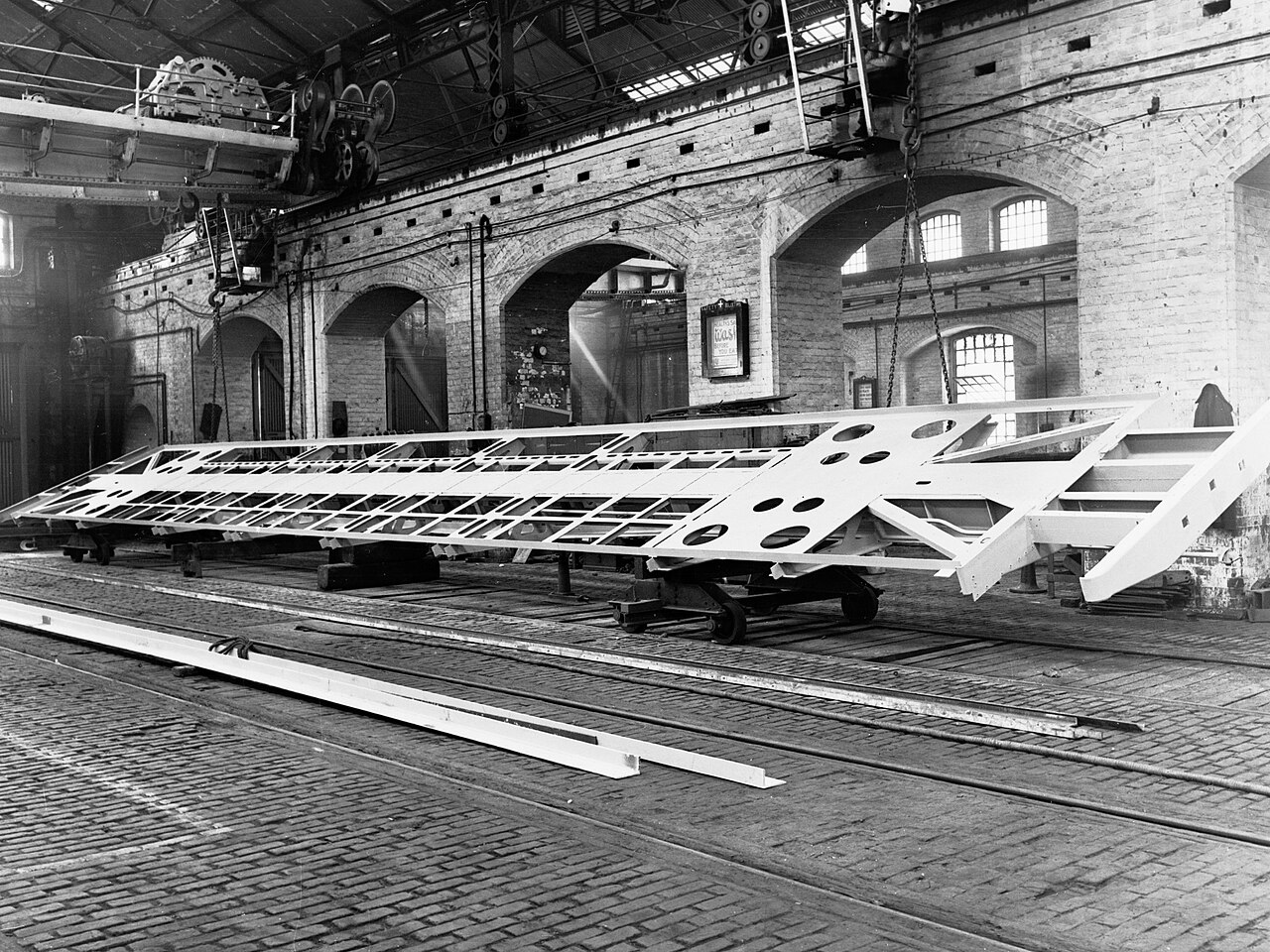
Whatever the OEM/ODM route, the factory should hand you a defined set of engineering documents, not just a 3D model on a screen. The general arrangement drawings show the frame layout, dimensions and elevations. The calculation report or design summary shows the loads used and the member sizes chosen. Shop drawings show every member, connection and bolt for fabrication. Erection drawings show the site crew how the pieces go together. Each document has a revision number, and the fabrication should follow the latest approved revision.
Review the general arrangement before engineering starts, and review the shop drawings before steel is cut. The review cycle is the buyer’s last cheap chance to fix a mistake — after cutting, every change is scrap or rework.
FAQ
What is the difference between OEM and ODM with a steel building manufacturer?
With OEM, the buyer provides the design or the supplier fabricates to the buyer’s drawings and brand. With ODM, the manufacturer designs and engineers the building from the buyer’s requirements, and the buyer can customize dimensions, loads, cladding and accessories. Most export steel structure projects are a mix: the factory engineers to local codes and the buyer specifies the envelope.
What documents do I need to start an OEM steel building project?
A layout or floor plan, column grid, clear height, local wind and snow loads, roof and wall cladding preferences, door and window schedule, and any drawings you already have. If you only have a sketch, the manufacturer’s design team can develop it into engineering drawings for approval.
Can a steel building manufacturer handle a custom design that is not a standard portal frame?
Yes, within reason. Multi-span frames, mezzanines, crane runway beams, irregular footprints and special loads are common. The price and lead time change because engineering and fabrication are more involved. Confirm that the factory has engineers who can run the analysis and produce shop drawings for the non-standard parts.
Starting an OEM or ODM steel building project? Send your layout, clear height and local load data, and our engineers will confirm the design scope and lead time before you commit.