
Steel Building in Turkey: Earthquake Zones, Local Approvals and Import Basics

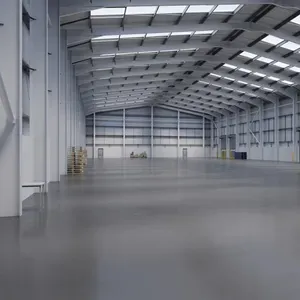
Steel Building in Turkey: Earthquake Zones, Local Approvals and Import Basics
If you are importing a prefab steel building into Turkey, plan around two things first: the country’s earthquake code and the local approval chain. The direct answer: Turkey’s seismic design requirements — driven by the 2018 Turkish Building Seismic Code (TBDY) — determine the frame, connections and anchor detailing, and they are non-negotiable for a building that will be certified for use. Budget time for seismic design review, local engineering sign-off and customs clearance, and treat the steel price as only one part of the delivered cost.
Why seismic design dominates steel building projects in Turkey
Turkey sits on active fault lines, and most industrial zones fall within regions where buildings must be designed for earthquake loads. Imported steel buildings are not exempt: the structural design must be checked against the Turkish code, and in practice that means the frame geometry, steel grades, bracing and bolted connections are reviewed by a Turkish licensed engineer before construction approval.
Buyers who skip this step discover it at permitting. The building arrives, the frame is strong, but without a local engineer’s verification and the associated documentation, the project stalls.
What the design review covers
A seismic review of a prefab steel building typically checks:
- Seismic zone parameters for the exact site location.
- Frame regularity: height, span, column spacing and stiffness distribution.
- Connection design: moment connections, base plates and anchor bolts.
- Bracing system and load paths.
- Soil conditions and foundation interaction at the site.
Expect the review to request site-specific data: soil report, snow and wind loads, and the building’s intended occupancy. Have these ready before you ask a supplier for a code-compliant design.
Import and approval workflow
| Step | What happens | Who is involved |
|---|---|---|
| 1. Site data collection | Soil report, local loads, zoning | Buyer, local engineer |
| 2. Structural design | Frame designed to TBDY requirements | Supplier + Turkish engineer review |
| 3. Local approval | Permit application and design verification | Municipality / relevant authority |
| 4. Customs and import | Shipping documents, customs clearance | Buyer, freight forwarder |
| 5. Fabrication and QC | Factory production, inspection, shipping | Supplier, optional third-party inspector |
| 6. Erection | Site assembly by qualified crew | Erection contractor |
| 7. Final inspection | Structural completion check | Local engineer / authority |
The exact sequence varies by municipality and by whether the building needs a full construction permit or a simpler notification, so confirm the local path with a Turkish engineering partner before ordering.
Budget line items beyond the steel price
The steel building package is usually the visible number in a Turkey quote, but the delivered project cost includes several items that sit outside the steel price. Budget for the seismic design review and any local engineering verification, customs duty and import taxes, inland transport from the port to the site, foundation works, and erection labor. Depending on the project, these can add up to a significant share of the total — confirm each one with the supplier and the local partners before you commit to a budget.
Ask the supplier which of these are included in the quoted price and which are separate. A low steel price with a vague “extras” list is riskier than a higher package price with the scope written down. The same rule applies in every import market; our steel building procurement guide for India breaks down the same cost categories for another large import market.
What to prepare before you request a quote
- Project location and a site soil report if available.
- Building dimensions: span, length, eave height, column spacing.
- Intended use: warehouse, workshop, hangar, cold storage, poultry house.
- Any cranes, mezzanines or special openings.
- The required documentation for local approval.
The more complete this package is, the more accurate the quote and the shorter the approval cycle.
Choosing a supplier for a Turkish project
Not every Chinese steel building factory can produce a TBDY-compliant design review package. Ask a supplier directly:
- Have you supplied steel buildings to Turkey before?
- Will you provide the structural calculations and drawings that a Turkish engineer can check?
- Can you adjust steel grades and connection details to the Turkish code?
- Who handles the local engineer review — you or the buyer?
A supplier that has shipped to Turkish projects will already know the documentation expectations and can keep the approval path realistic.
FAQ
Do I need a Turkish engineer to approve an imported steel building?
In most cases yes. Structural design for buildings in earthquake zones must be verified by a licensed local engineer as part of the permitting process, regardless of where the steel was fabricated.
What is TBDY?
TBDY (Türkiye Bina Deprem Yönetmeliği) is the Turkish Building Seismic Code. The 2018 edition sets the seismic design rules that new buildings must meet.
Are Chinese steel buildings allowed in Turkey?
Yes, imported prefab steel buildings are used in Turkish industrial projects. The key requirement is that the design is verified against Turkish codes and the documentation satisfies local approval.
How long does the approval process take?
It varies by municipality and project complexity. A well-prepared package with soil data and complete drawings moves faster than one that arrives with missing documents; confirm the local timeline with your engineer.
Get a Turkey-Compliant Steel Building Quote
Send us your site data and building requirements, and our engineers will prepare a steel building package with the structural documentation your Turkish engineer can review. Request a quote for your Turkey project and we will confirm the seismic design scope before fabrication.