
Steel Building in India: Procurement Guide for Warehouses and Factories

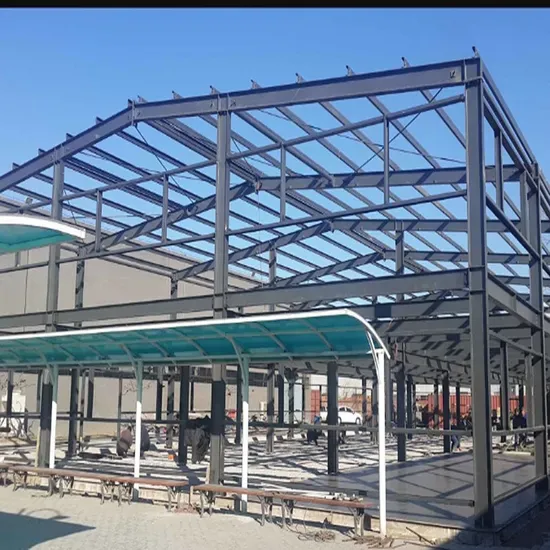
Buying a steel building in India works differently from most other markets: the design follows IS codes, the steel is usually IS 2062 grade, and the supplier must coordinate with local engineering stamps, GST, and port clearance. The practical route for a warehouse or factory is to send a complete specification to a supplier who can design to IS 800:2007, confirm the material grades, and deliver a documentation package that clears customs and satisfies the local authority. This guide covers the procurement decisions that matter for steel buildings in India.
Which design code and steel grades apply in India
Steel structure design in India follows IS 800:2007 for the structural design of steel buildings, with IS 875 for imposed, wind, and seismic loads. The common structural steel grades are IS 2062 E250 and E350, and higher grades such as E450 are used where the design demands it. A supplier who designs to international standards such as AISC or Eurocode can usually convert the design to IS, but that should be stated in the quotation rather than assumed.
For procurement, the material certificate must reference the IS grade and the test results. Ask the supplier whether the mill test certificates meet IS 2062 requirements and whether the fasteners and anchor bolts follow the corresponding IS standards.
Seismic zones and wind loads change the frame
India is divided into seismic zones from Zone II to Zone V, and the zone for the project site directly affects the frame design and bracing. A warehouse in Zone V requires more steel and more careful detailing than the same building in Zone II. Similarly, cyclone-prone coastal areas have higher basic wind speeds that increase cladding and connection demands.
Tell the supplier the exact location, not just “India”, because the load parameters are site-specific. The quotation should state the design seismic zone and basic wind speed used. If the supplier cannot confirm these, the building may fail the local structural review.
Monsoon, humidity, and corrosion protection
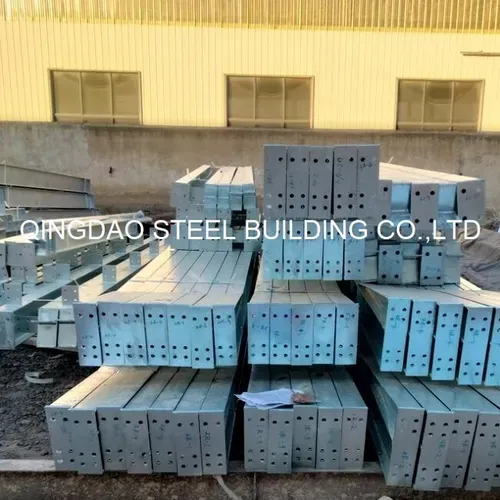
Rainfall and humidity vary widely across India, and the coating specification should match the site. Coastal locations such as Chennai, Mundra, or Mumbai need stronger corrosion protection, often hot-dip galvanized members or a high-performance paint system. Inland dry regions can use standard painted frames with a proper topcoat.
Roofing and cladding also need to handle monsoon rain: sealed laps, adequate gutter capacity, and fasteners with EPDM washers reduce leakage claims after handover. These details belong in the specification, not in the fine print of the quotation.
Customs, GST, and the import path
Most prefab steel buildings for Indian projects are imported as a knocked-down kit: frame members, purlins, cladding, and fasteners packed for container shipment. The buyer handles customs clearance, GST on the import, and the port logistics. The supplier should provide a packing list that matches the HS codes and the documentation needed for clearance.
Ports such as Mundra, Nhava Sheva, and Chennai handle most steel shipments, and lead times from order to arrival typically span fabrication plus shipping time. Confirm the Incoterm and the point at which title and risk transfer, because that determines who manages the customs and inland transport.
Local approvals and engineering involvement
Depending on the state and the project, a steel building needs approvals from the municipal authority, and the structural drawings are often checked by a local licensed engineer. Some states also require factory license or building plan approval before construction. Budget for this review in both money and time, and ask the supplier which documents they provide: structural calculations, stamped drawings, material certificates, and connection details.
Budgeting and comparing quotations for India
Compare suppliers on the same specification: clear span, eave height, design loads, cladding system, coating, and documentation. A lower price usually means a lighter frame, thinner cladding, or less corrosion protection, which costs more in the long run.
Before you request quotes, review our guide to the information needed for a steel building quotation so the RFQ is complete. For budget planning, our breakdown of clear span steel warehouse costs per square meter shows how span choices move the price. And when comparing suppliers, our checklist for choosing the right steel structure supplier helps you separate real capability from marketing.
FAQ
What steel grade is used for steel buildings in India?
The most common structural steel grades are IS 2062 E250 and E350. Higher grades such as E450 are used when the design or the loads require it. The grade should be confirmed in the material certificates supplied with the order.
Which design code applies to steel structures in India?
Structural steel building design in India follows IS 800:2007, with loads from IS 875 parts covering dead, imposed, wind, and seismic loads. Seismic zoning is given in IS 1893. A supplier designing to international codes can usually convert the design, but this should be stated in the quotation.
Is it cheaper to import a steel building or fabricate it locally in India?
It depends on the project size, steel prices, and location. Imported prefab kits benefit from factory production and standardized fabrication, but customs duty, GST, and shipping add cost. Local fabrication avoids import duties but depends on local shop capacity and quality control. Compare itemized quotations before deciding.
What import documents are needed for a steel building in India?
Typically the commercial invoice, packing list, bill of lading, and the mill test certificates for the steel. The supplier should also provide structural drawings and material certificates for the approval process. Confirm the HS code classification with your customs broker before shipment.
How long does a steel building project take in India?
Fabrication time depends on the building size and the supplier’s shop load, and shipping adds several weeks depending on the port. After arrival, site erection depends on foundation readiness and crew availability. Request a schedule with fabrication, shipping, and erection milestones in writing.
Procurement for India works best when the specification is exact and the documentation is complete. Contact our team with your location, building size, and intended use, and we will confirm the design basis and document package your project needs.