How a Steel Building Is Shipped Overseas: Freight, Insurance and the Incoterm That Decides Who Pays

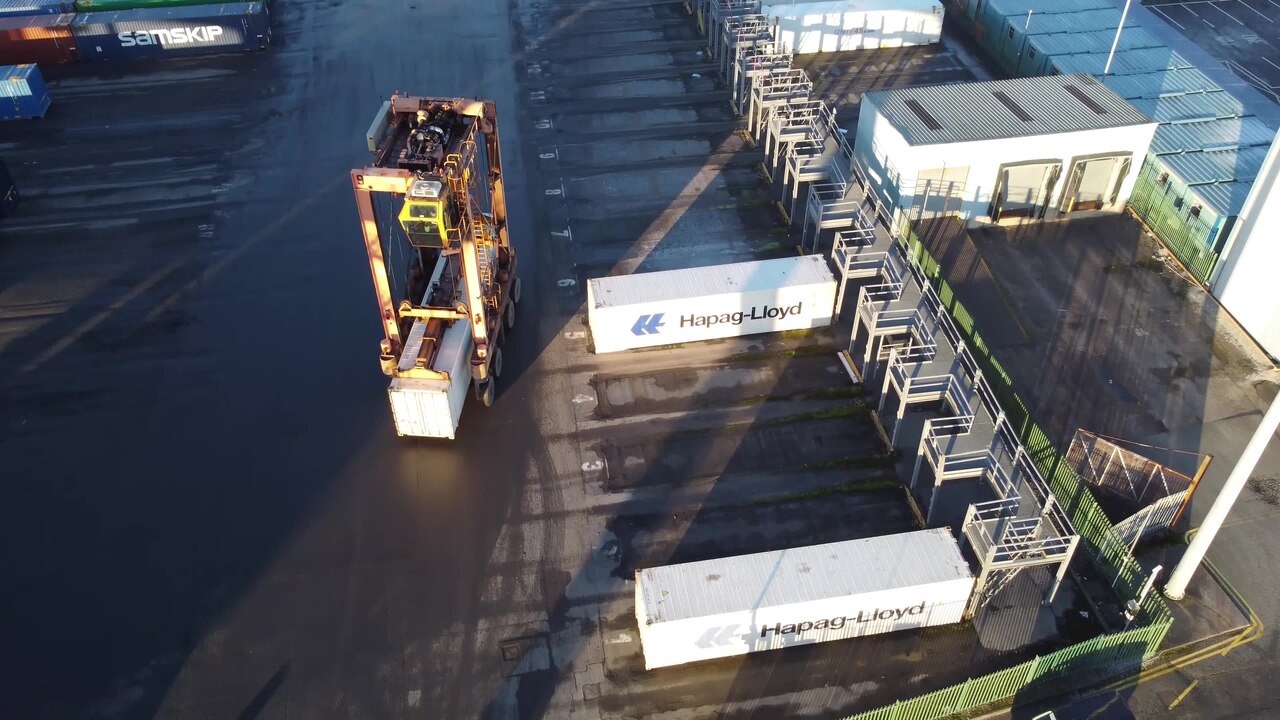
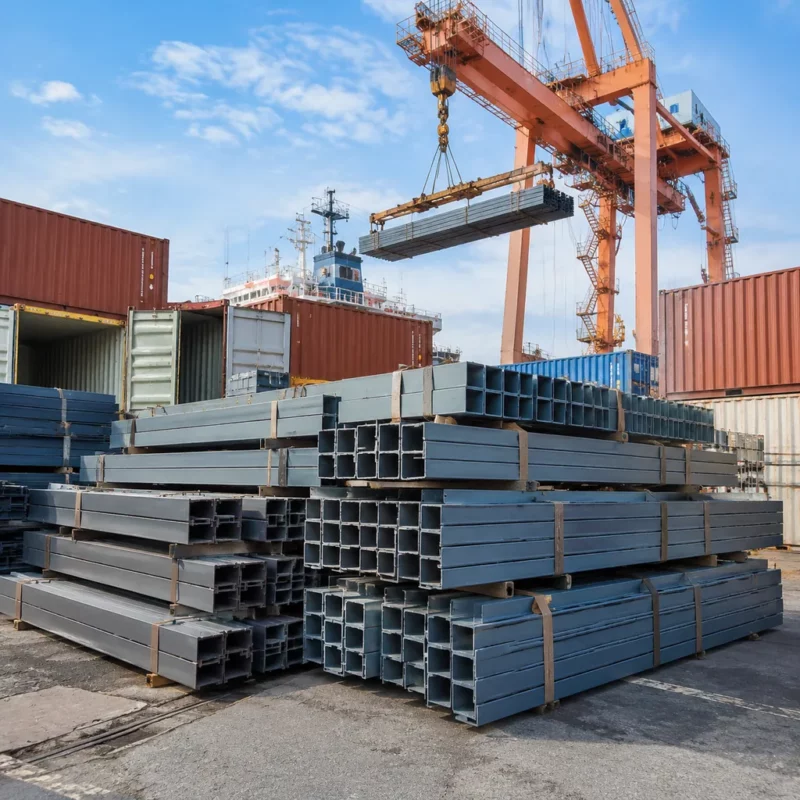
The short answer: a steel building leaves the factory as containerized members or as break-bulk on flat racks and open-top containers, and the incoterm you choose decides who pays for freight, insurance and the main carriage. Most Chinese steel factories quote FOB or CIF as standard; DDP is available but usually reserved for smaller, containerizable projects.
How steel buildings are packed for export
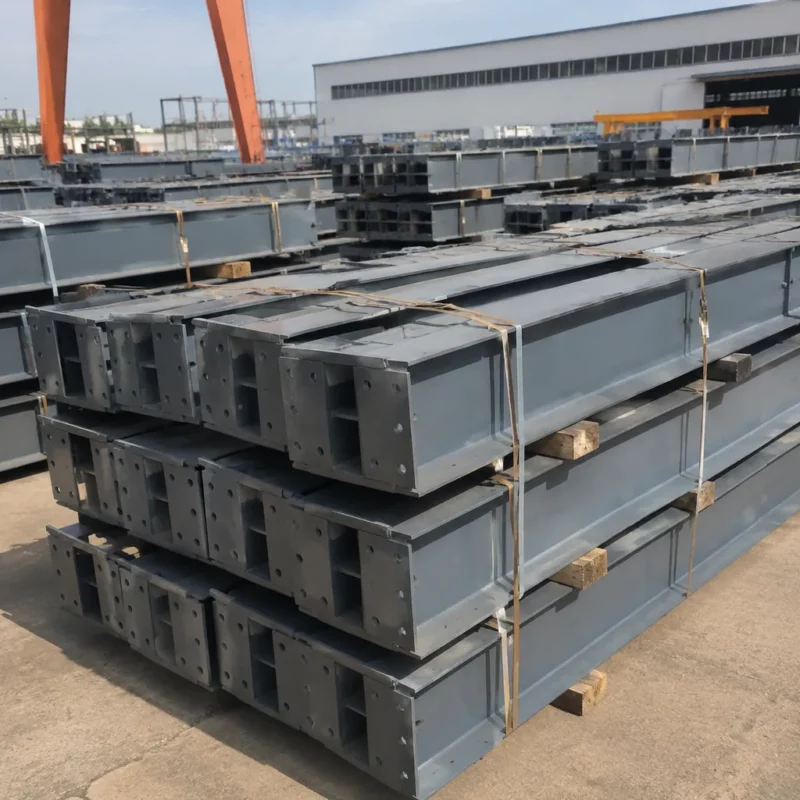
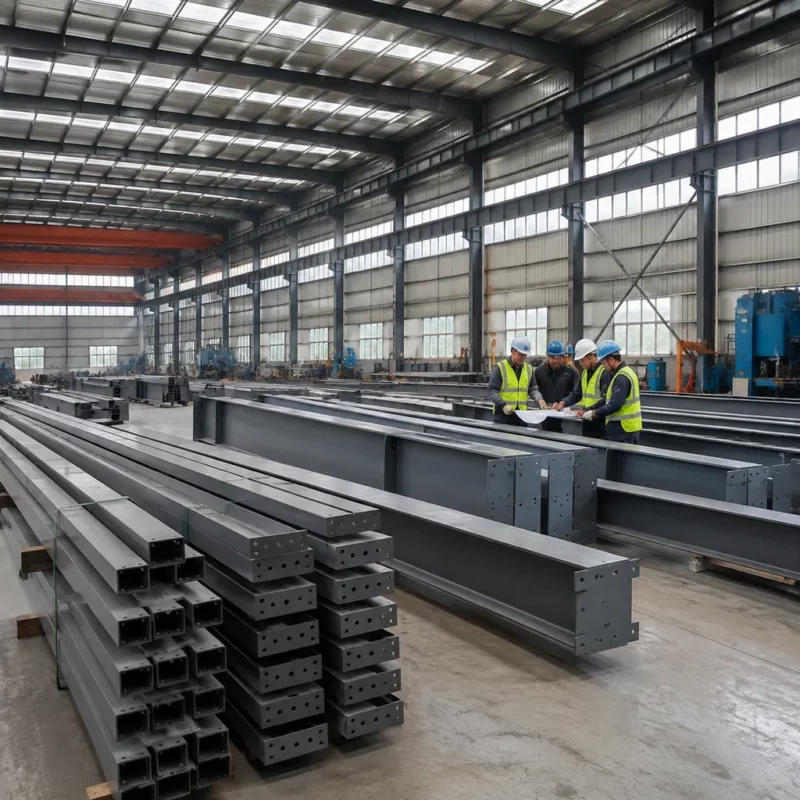
(‘Prefab steel building members are designed to nest. Columns, beams, purlins and bracing are marked per the shop drawings and packed into bundles, with the heaviest sections at the bottom. Small parts such as bolts, washers and clips go into cartons or steel crates that are packed inside the same containers or strapped onto the flat racks.’, ‘Two loading methods dominate. Containerized loading fits buildings whose members can be designed within container dimensions, typically smaller workshops and warehouses. Break-bulk on flat racks suits longer beams, crane runways and wide-span frames that cannot fit in a 40-foot container. The choice affects both freight cost and how the factory designs the member lengths, so it should be decided before the drawings are finalized.’)
The incoterms you will see in a steel building quote
| Incoterm | Who pays main freight | Who arranges insurance | Typical use |
|---|---|---|---|
| FOB (named port) | Buyer | Buyer (recommended) | Buyer arranges its own freight and insurance; common with experienced importers |
| CIF (named port) | Seller (to destination port) | Seller (minimum cover) | Standard in many Chinese steel quotes; seller handles sea freight |
| DDP (delivered duty paid) | Seller (to your door) | Seller | Smaller, containerized projects where the buyer wants one price |
| EXW (ex works) | Buyer (from factory gate) | Buyer | Buyer has its own freight forwarder in China |
What the incoterm does and does not cover
(‘The incoterm fixes the transfer point of cost and risk, but it does not automatically set the quality of insurance or the customs duties. With CIF, the seller provides minimum insurance cover, which may be less than the full value of the steel. Many buyers add a marine cargo policy of their own to cover the balance.’, “Customs clearance at destination is always the buyer’s responsibility unless you choose DDP. That means your import license, duties, taxes and local inspections are outside the supplier’s scope, so budget for them separately.”)
The shipping timeline and its checkpoints
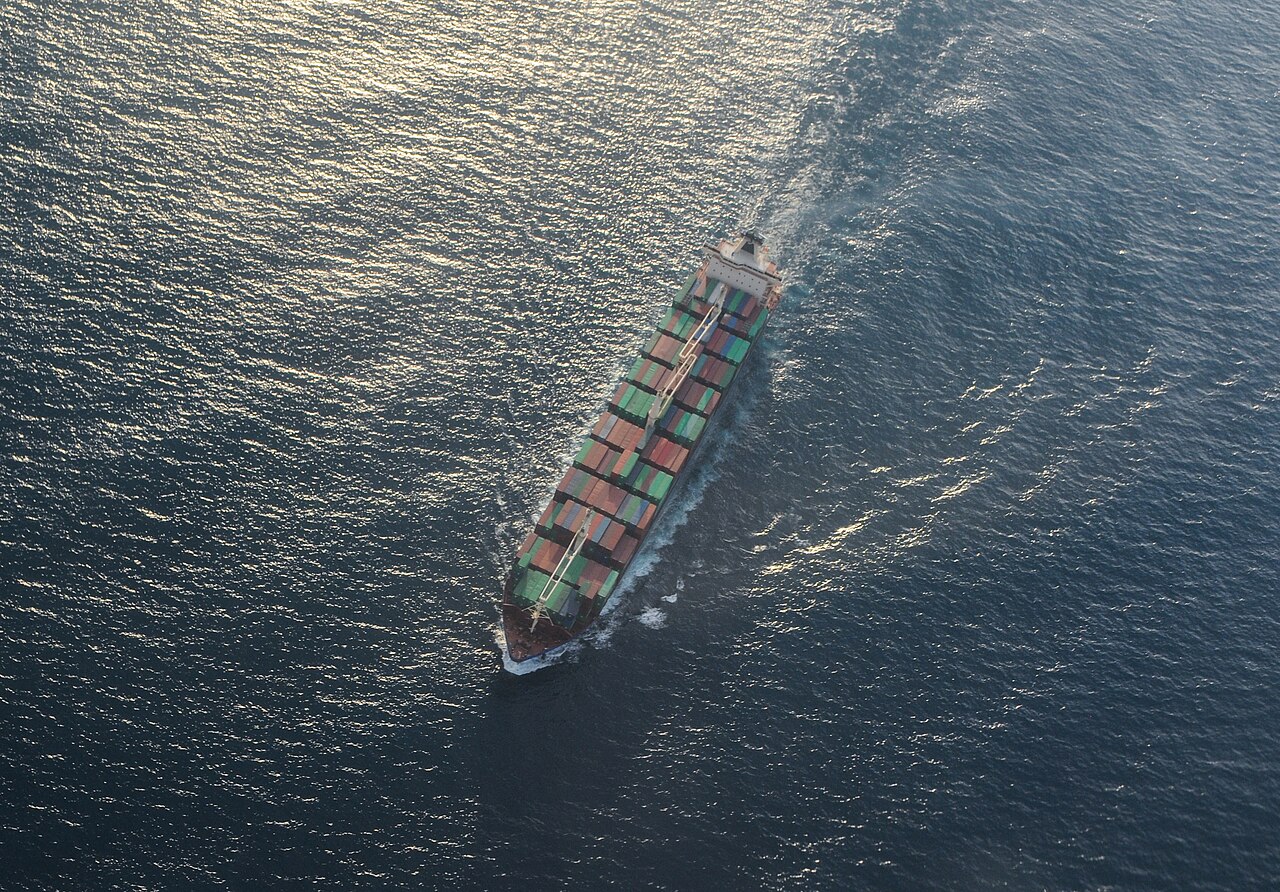
(‘A typical export sequence looks like this: production and shop drawing approval, factory inspection, packing and marking, container loading or flat-rack lashing, port delivery, customs clearance at origin, loading on the vessel, sea transit, arrival and destination clearance, then trucking to site. The factory usually issues a pre-shipment photo set and a packing list before the cargo leaves the workshop.’, ‘Ask for the vessel schedule in the quotation, not just a delivery date. Steel buildings are often shipped on multi-purpose vessels for break-bulk cargo, and those schedules are less frequent than container liner services. That single factor can add weeks to your project timeline.’)
What to confirm before you pay the balance
- The incoterm and the named port or place, written in the contract
- Whether freight and insurance are included in the price or quoted separately
- The packing standard and whether members are marked per shop drawing numbers
- The estimated sea transit time and the vessel or service name
- The documents you will receive: commercial invoice, packing list, bill of lading, mill certificate and insurance policy (if CIF)
FAQ
Q: Can a steel building fit in a standard container?
A: Most smaller buildings can be designed so members fit in 40-foot containers. For wide-span or long-member designs, factories use open-top containers or break-bulk on flat racks. Decide this before finalizing drawings because it affects member lengths.
Q: Which incoterm should an importer choose for a steel building?
A: Experienced importers often choose FOB and arrange their own freight and full-value insurance. If you want a single price from the supplier, CIF is the common default. DDP suits small containerized orders where you want door delivery with one price.
Q: Is CIF insurance enough to cover my steel building?
A: CIF includes minimum cover, which may not reflect the full value or all risks. Most buyers add their own cargo insurance for full value. Check the policy terms before shipment.
Q: How long does shipping a steel building from China take?
A: Sea transit from a Chinese port to a major destination port usually takes 2 to 6 weeks depending on the route. Break-bulk on multi-purpose vessels can have less frequent schedules, so confirm the vessel schedule in the quotation.
Q: Who pays customs duties on a steel building import?
A: The buyer pays destination duties, taxes and clearance costs unless the contract is DDP. The supplier can provide the commercial invoice and packing list you need for clearance, but the import process is on your side.
Tell the factory your destination, timeline and preferred incoterm when you request a quote. That is the fastest way to get a freight-inclusive price and a realistic delivery schedule.