
Steel Building Erection Safety: Key Risks and Contractor Requirements

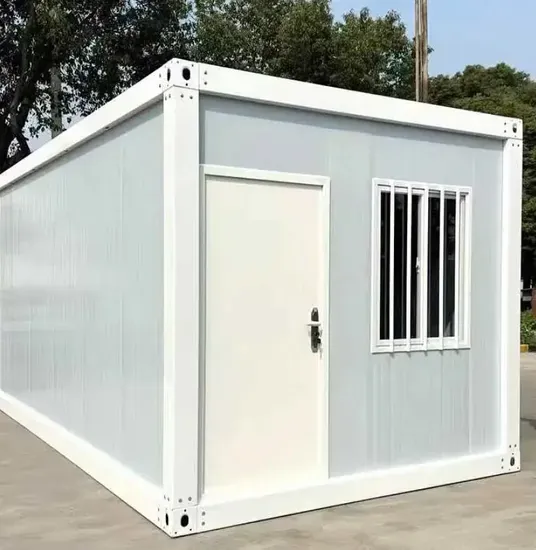
Erection safety is managed in three places: the lift plan, the work at height, and the site controls around the crew. Most incidents on steel building sites involve falls from height, rigging failure during a crane lift, or dropped objects, and each one is preventable with the right plan. Buyers should expect the contractor to work to a documented safety procedure, even on a small workshop, because a steel frame has no working platform until the purlins and cladding are in place.
Fall protection is the first priority
Steel erection work happens at height from the first column, and fall protection must be in place before the work starts. The common controls are full-body harnesses with lanyards tied off to the structure, safety nets or guardrails around open edges, and, for larger buildings, a temporary horizontal lifeline across the frame. The contractor should state in the erection method statement which fall protection system is used for each phase.
Workers also need a safe access route to the top of the frame. Ladders fixed to the structure, stair towers, or mobile platforms are used depending on the building height. Climbing the bare frame without fall protection is not an acceptable practice on any project.
Lift planning and crane safety
Every crane lift needs a plan: the weight of the member, the crane capacity at the required radius, the rigging, and the landing position. A frame member that is heavier than the crane can handle at that reach is the classic cause of crane overload. The plan should also cover the crane’s location relative to the building and the ground conditions under the outriggers.
Rigging must be inspected before each lift: slings checked for cuts and wear, shackles sized correctly, and the tag line used to control the load. Nobody should stand under a suspended load, and the lift area should be cordoned off so a swinging member does not strike workers or equipment.
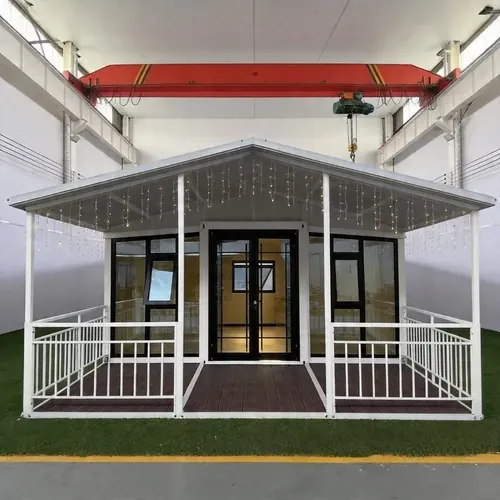
Bolting, welding, and work at height
Connection work on steel buildings is done at height, so the same fall protection applies whether the crew is bolting, welding, or fitting purlins. Bolted connections need the right size and grade of bolt, and the temporary connections must be secure before the permanent bolts are installed. Welding at height adds the risk of fire and burns, so fire extinguishers should be within reach and hot work should follow the site’s permit procedure.
Tools and fittings should be tethered or carried in pouches. Dropped objects are a real hazard on a steel site: a spanner dropped from eave height can cause a serious injury below. Tool lanyards, toe boards, and a clean work platform reduce the risk.
Weather limits and site conditions
Wind is the main weather limit for steel erection. Cranes have a rated wind speed, and lifting large panels or wide frame members in strong wind is dangerous. The erection plan should define the wind limit for each phase and stop work above it. Rain, lightning, and extreme heat also change the work conditions, and the schedule should build in a safe stop rule rather than pushing through.
Site conditions matter too: the crane pads must be stable, the erection area clear of debris, and access routes wide enough for the equipment. A muddy or sloping site that is not prepared will cause accidents before the first lift.
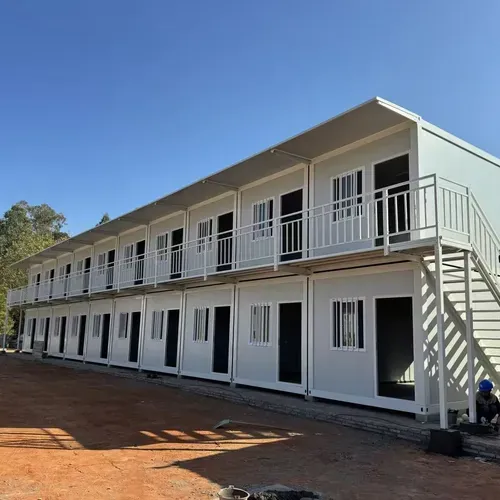
What buyers should ask for in the safety plan
Before the contractor mobilizes, ask for the erection method statement, the lift plan for the heavy members, and the fall protection procedure. Confirm who is responsible for safety supervision, how the crew is trained, and what happens when the weather exceeds the limits. These documents should be part of the erection contract, not an afterthought.
| Safety area | Key control | Who checks it |
|---|---|---|
| Fall protection | Harness, lifeline, nets, access route | Safety supervisor |
| Crane lifts | Lift plan, crane capacity, rigging inspection | Crane operator and supervisor |
| Work at height | Tethered tools, secure temporary connections | Crew leader |
| Weather | Wind limit, stop-work rule | Supervisor |
| Site layout | Exclusion zones, clear access, stable crane pads | Site manager |
For the overall installation process, our steel frame installation checklist covers the steps before and during erection. The installation timeline guide shows how safety planning fits into the schedule, and the pre-engineered steel building page explains what the supplier supplies and what the contractor manages on site.
FAQ
Who is responsible for safety during steel building erection?
The erecting contractor is responsible for the safety of the crew and the site controls, and the buyer usually appoints or accepts a supervising engineer or site manager. The structural supplier provides the erection documents, but the contractor executes and supervises the work. Confirm these roles in the erection contract.
What fall protection is required for steel erection?
Typical controls are full-body harnesses tied off to the structure, safety nets or guardrails at open edges, and temporary lifelines for walking the frame. The exact requirements follow the local occupational safety rules and the project’s method statement.
At what wind speed should steel erection stop?
It depends on the crane and the member being lifted. Crane manufacturers state a maximum wind speed for operation, and many projects set a lower limit for lifting large panels. The erection plan should state the limit for each phase and include a stop-work rule.
Do I need a lift plan for a small steel building?
Yes. Even a small workshop has heavy frame members lifted by crane or boom, and the lift plan covers weight, radius, rigging, and the exclusion zone. A written plan prevents the overload and rigging failures that cause the most serious incidents.
Can I use my own crew to erect a prefab steel building?
It depends on the local rules and the building size. Many suppliers require a certified erector or provide supervision, and some countries require a licensed contractor for structural steel work. Ask the supplier what erection support they include and what qualifications the crew must have.
Safety is a plan you write before the crane arrives, not a reaction after something goes wrong. Contact our team if you need the erection documentation package or want to discuss how the supplier supports safe installation for your project.