
Steel Building Maintenance: Post-Handover Inspection and Care Checklist

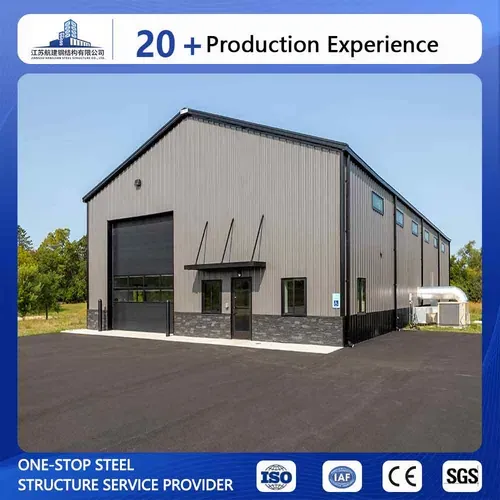
A steel building needs a maintenance routine from the day it is handed over, not after something fails. The work is simple: a first-year inspection, annual checks of the frame, coating, roof, and drainage, and a few repairs that should never wait. Most warranty claims trace back to small problems found late, so a written maintenance checklist protects both the building and the warranty. This guide gives buyers a practical post-handover maintenance plan for prefabricated steel buildings.
What to inspect in the first 12 months
The first year is when settlement, fastener relaxation, and coating defects show up. Walk the building after the first heavy rain and after any high-wind event, and check the anchor bolts, roof panels, and wall cladding. A small checklist completed quarterly during year one prevents most long-term problems.
| Inspection point | What to look for | Suggested frequency |
|---|---|---|
| Anchor bolts and base plates | Loose nuts, corrosion, cracked grout | Quarterly in year one, then annually |
| Main frame and connections | Rust, coating damage, loose bolts | Annually |
| Roof panels and fasteners | Loose screws, lifted seams, damaged sheets | After storms, at least twice a year |
| Gutters and downpipes | Blockage, rust, leaking joints | Before and after wet season |
| Doors, louvers, and crane tracks | Alignment, wear, fastening | Annually |
Adapt the frequency to the local climate. Coastal and high-humidity sites need more frequent coating checks, while dry inland sites can extend some intervals.
Coating and corrosion checks
The protective coating is the building’s first defense, so inspect it systematically. Look for scratches, chalking, and rust bloom at cut edges, bolt holes, and panel laps. Touch-up paint should match the supplier’s coating system, not a random rattle can, because incompatible coatings can trap moisture.
For galvanized frames, check for white rust on new steel and red rust on older steel. Localized damage can usually be repaired with a zinc-rich touch-up, but widespread rust needs a professional assessment. Photograph any defect and send it to the supplier while the building is still under warranty.
Roof, fasteners, and drainage
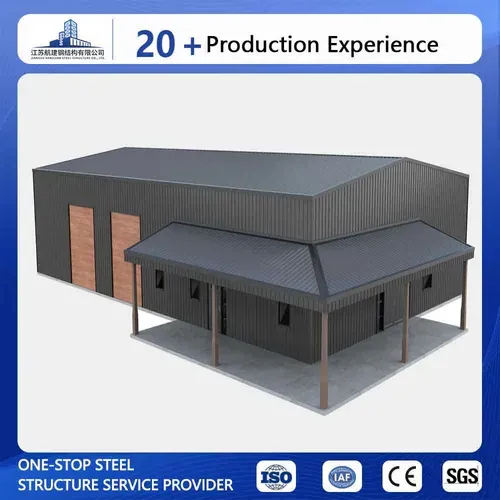
Roof leaks usually start at fasteners and panel laps, not through the sheet itself. Check for loose or missing screws, damaged washers, and lifted side laps, especially at ridge caps and flashing. Re-torqueing a few fasteners is cheap; replacing a panel is not.
Drainage is part of the same routine. Clear gutters and downpipes before the wet season, check that downpipe outlets discharge away from the foundation, and look for standing water on flat roof areas. Poor drainage accelerates corrosion and can undermine the foundation over time.
Fastener and connection re-tightening
Steel buildings settle during the first year as the structure and foundation find their final position. High-strength bolts in moment connections should be checked against the tightening requirements in the erection documents, and loose anchor nuts re-tightened to the specified torque. Do not re-torque bolts without checking the supplier’s guidance, because some connections are designed to move.
Record the date, the bolts checked, and any re-tightening in a simple log. This log becomes evidence if a warranty issue arises later.
When to call the supplier
Call the supplier when you see structural movement, unexplained rust, leaking that a fastener repair does not fix, or any damage from an impact or extreme weather. Photographs and a short description help the supplier decide whether a site visit is needed. Routine maintenance is the buyer’s responsibility in most contracts, so check the warranty document for the boundary between buyer care and supplier obligations.
Our guide to steel building warranties for B2B buyers explains what the warranty usually covers. The steel structure roofing systems guide helps you understand the roof components you will be inspecting, and the steel building loads guide explains why some movements are normal and others are not.
FAQ
How often should a steel building be inspected?
Most owners inspect quarterly during the first year and annually after that, with extra checks after storms or heavy rain. Coastal and humid sites benefit from more frequent coating checks. The exact schedule should match the local climate and the building use.
Do I need to repaint a steel building?
Not on a fixed schedule. Repainting is needed when the coating is damaged or degraded, for example chalking, peeling, or rust showing at cut edges. Small defects can be touched up; widespread coating failure needs a professional recoating plan.
What maintenance voids a steel building warranty?
Read the warranty document, but common causes are unapproved modifications, overloading beyond the design, and neglect of obvious defects. Most warranties also require the owner to report issues within a stated period. Keep inspection records and photographs to protect your claim.
Can I re-tighten the bolts in my steel building?
Check the supplier’s documentation first. Some connections use slip-critical high-strength bolts with a specified tightening method, while others are designed to move. Loose anchor nuts are usually safe to re-tighten to the specified torque, but confirm before adjusting moment connections.
What is the most common cause of steel building roof leaks?
Fasteners and panel laps are the usual culprits: loose screws, worn washers, and lifted side laps at flashing details. Checking and re-seating fasteners before the wet season prevents most leaks. Persistent leaks should be reported to the supplier with photographs.
Maintenance is a small, regular cost that protects a much larger investment. Contact our team if you need the inspection checklist for your specific building or want to review warranty obligations before your next order.
