
Materials Used for Steel Columns in Steel Structures: Types, Selection & Application

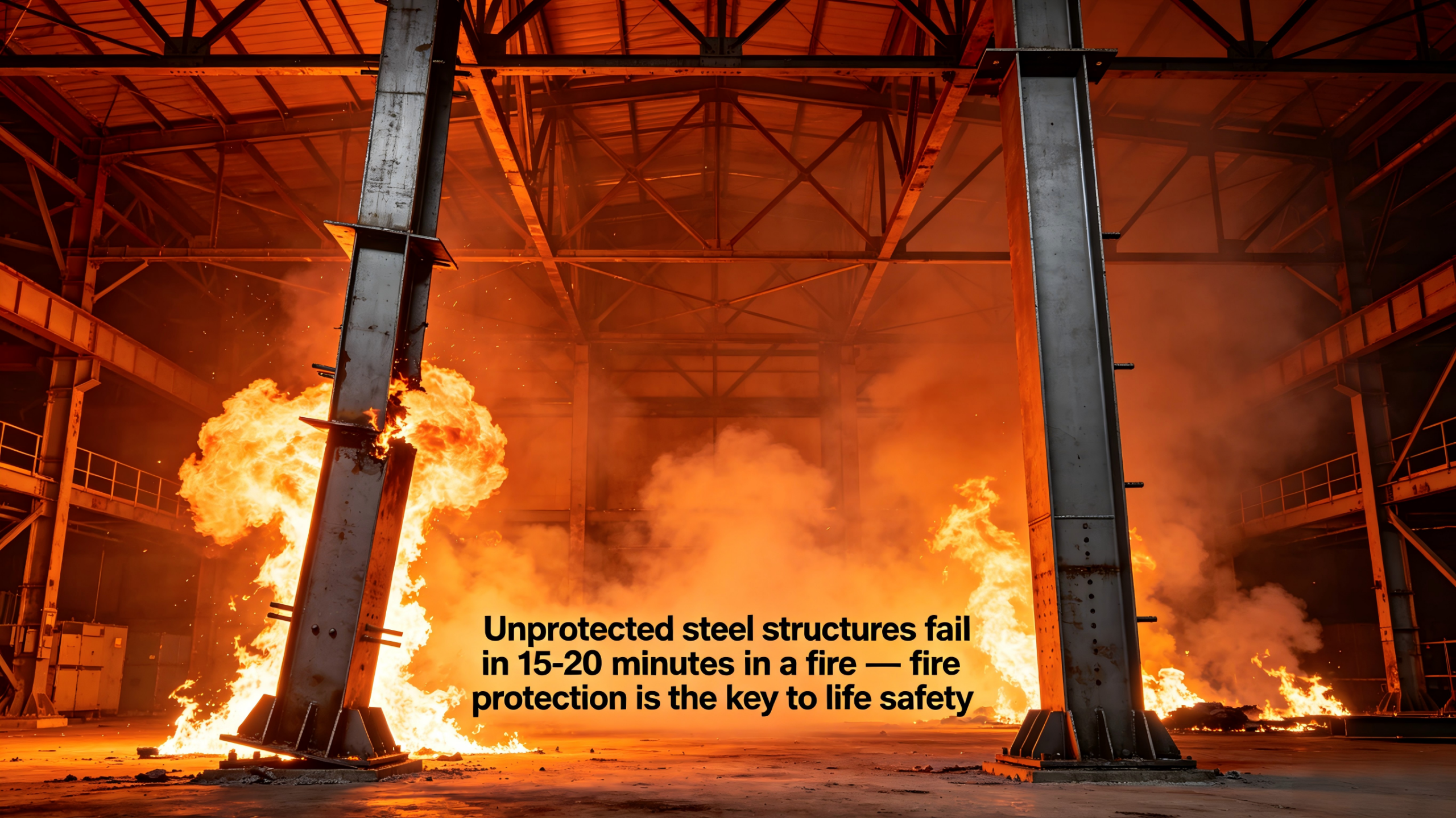
Analyzing H-beam vs. box section steel columns. Learn material selection standards, load matching strategies, and cost control tips for your steel structure project.
When building a steel structure, the steel column is the backbone. It transfers the load from the roof, floors, and walls directly down to the foundation. Choosing the wrong material doesn’t just risk failure—it wastes money.
For overseas clients (from warehouses in Texas to high-rises in Dubai), understanding how and why to pick specific steel column materials is critical.
This guide breaks down the materials used for H-beams, box columns, and more, focusing on load matching and cost efficiency.
1. The Core Materials: What are Steel Columns Made Of?
Most steel columns use low-carbon or high-strength low-alloy (HSLA) steel. The most common grades are:
- Q235B (A36 equivalent): General strength. Best for light structures.
- Q355B/C (GR50 equivalent): Higher yield strength. Best for medium/heavy loads.
- Q420/Q460: High-performance steel for skyscrapers and heavy industrial plants.
Critical material properties:
- Yield Strength: The point where the steel permanently bends.
- Tensile Strength: Resistance to breaking under tension.
- Elongation: Ductility (ability to bend without cracking, vital for seismic zones).
2. Type of Steel Columns by Material & Section
Different shapes use the same material differently based on geometry.
A. H-Section Steel Columns (Wide Flange)
Material:
- Hot-rolled: Single-grade (e.g., Q355B throughout).
- Welded built-up: Web (center) could be thinner Q235B, flanges (top/bottom) thicker Q355B.
Application:
- Single-story warehouses.
- Mezzanine floors.
- Low-rise frames (1-4 stories).
Load Matching:
Excels in strong-axis bending. However, weak-axis resistance is poor. Use bracing if lateral loads (wind) are high.
B. Box Section Columns (Tubular)
Material:
- Cold-formed (thin walls): Q235B for light duty.
- Hot-rolled seamless or welded plates: Q355B-Q460 for heavy duty.
Application:
- High-rise buildings (corner columns).
- Heavily loaded industrial plants.
- Structures requiring a clean, architectural look.
Load Matching:
Identical strength in both axes (X and Y). Perfect for bi-axial bending (corner columns with wind from two directions). Also resists torsion (twisting) far better than H-beams.
C. Cruciform & Built-up Columns
Material: Composite plates (varying grades). The core is thickest steel.
Application:
- Mega-structures (stadiums, airport terminals).
- Transfer columns (holding massive loads above).
3. How to Match Steel Material to Project Loads
Selecting steel isn’t just “strongest wins.” You must balance stiffness with economy.
Scenario 1: Light Dead Loads / Low Wind Region
- Column type: H-beam (e.g., W8x31)
- Grade: Q235B (A36)
- Logic: The structure doesn’t need high strength. Cheaper material pays off.
Scenario 2: Heavy Live Loads (e.g., 5-ton crane)
- Column type: Built-up Box or heavy H-beam.
- Grade: Q355B
- Logic: 50% higher yield strength means you can reduce flange thickness by 30%, saving weight and shipping costs.
Scenario 3: High Seismic Zone (Earthquake risk)
- Column type: Box sections (for torsional resistance) with slender proportions.
- Grade: Q355C or D (low carbon equivalent for weldability).
- Logic: Require high elongation (ductility). The material must bend without fracturing during an earthquake.
4. Cost Control: The Hidden Formula
For overseas buyers, Freight weight = Money. Material cost is only 60% of the total; the rest is shipping and installation.
Rule #1: Grade up to save weight.
- Example: A Q235B column needs a 40mm flange. A Q355B column needs only a 28mm flange.
- Result: 30% lighter. You save $5,000 on shipping for every 10 tons.
Rule #2: Hybrid welding (for long columns).
- Use cheaper Q235B for the web (shear center, doesn’t bend much).
- Use expensive Q355B for the flanges (bending stress).
- Result: Optimized cost without losing load capacity.
Rule #3: Standardize sizes.
- Avoid custom hot-rolled shapes. Use welded built-up columns. You control the exact dimensions and material grades.
5. Link to Customization: Why One-Size-Fits-All Fails
Off-the-shelf H-beams save time but waste steel. For projects with unusual heights (e.g., 11m clear span) or eccentric loads (off-center mezzanines), you need custom steel column fabrication.
Do you need:
- Tapered H-columns (thick at base, thin at top)?
- Stiffener plates inside box columns?
- Base plates drilled to your anchor bolt pattern?
We provide tailored steel column services:
- Any grade (Q235B to Q460C).
- Any profile (H, Box, Cruciform, Tapered).
- Pre-drilled, primed, and tested.
Conclusion
Choosing the material for your steel columns isn’t just about the steel grade—it’s about matching the section type (H vs. Box) to the load profile (axial, bending, torsion) and budget.
- Go H-beam for simple, low-cost, single-direction frames.
- Go Box section for high-rises, heavy cranes, or seismic zones.
- Go hybrid grades to cut shipping weight and raw material costs.
Ready to optimize your steel structure?
[Click here to request a quote for custom steel columns] – Tell us your load, height, and local wind speed. We’ll design the most material-efficient column for you.