
Common Steel Materials Used in Building Steel Structures: A Practical Guide for Global Projects

Introduction
In steel structure construction, selecting the right steel material is one of the most critical decisions that directly affects structural safety, cost efficiency, and long-term durability.
For overseas clients involved in steel structure warehouses, industrial plants, or large-span venues, understanding the differences between common steel grades such as Q235 and Q355 is essential for making the right material selection.
In this guide, we will introduce the most commonly used steel materials in building steel structures, compare their performance, and explain how they are applied in different types of projects.
1. Q235 Steel – Cost-Effective Choice for Standard Structures
Q235 steel is the most widely used carbon structural steel in steel building projects, especially in light to medium load structures.
Key Properties:
- Yield strength: approx. 235 MPa
- Good weldability and plasticity
- Stable performance and easy processing
- Lower cost compared to high-strength steel
Typical Applications:
- Steel structure warehouses
- Light industrial workshops
- Secondary structural members (purlins, bracing)
Project Insight:
In many export projects, Q235 steel is used in non-critical load-bearing components to reduce overall cost while maintaining structural safety.
2. Q355 Steel – High Strength for Heavy-Duty Structures
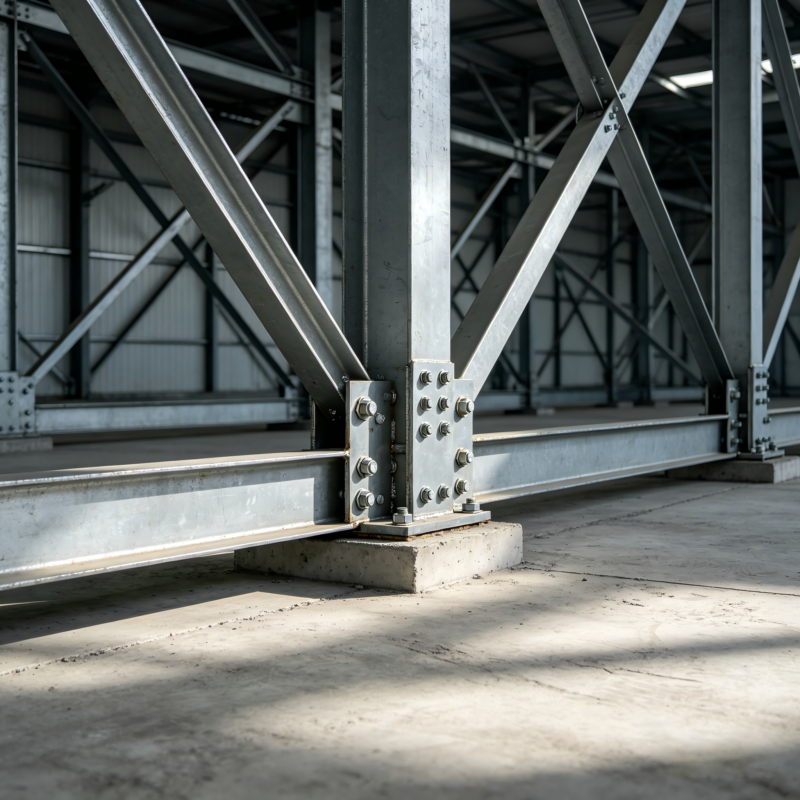
Q355 steel is a low-alloy high-strength structural steel, widely used in projects requiring higher load capacity and larger spans.
Key Properties:
- Yield strength: approx. 355 MPa
- Higher strength-to-weight ratio
- Better performance under heavy loads
- Suitable for demanding engineering conditions
Typical Applications:
- Large-span steel warehouses
- Industrial plants with overhead cranes
- Steel structure stadiums and exhibition halls
Project Insight:
In our international projects, Q355 steel is commonly used for main columns and beams, especially in buildings with crane systems or higher design loads.
3. Comparison Between Q235 and Q355 Steel
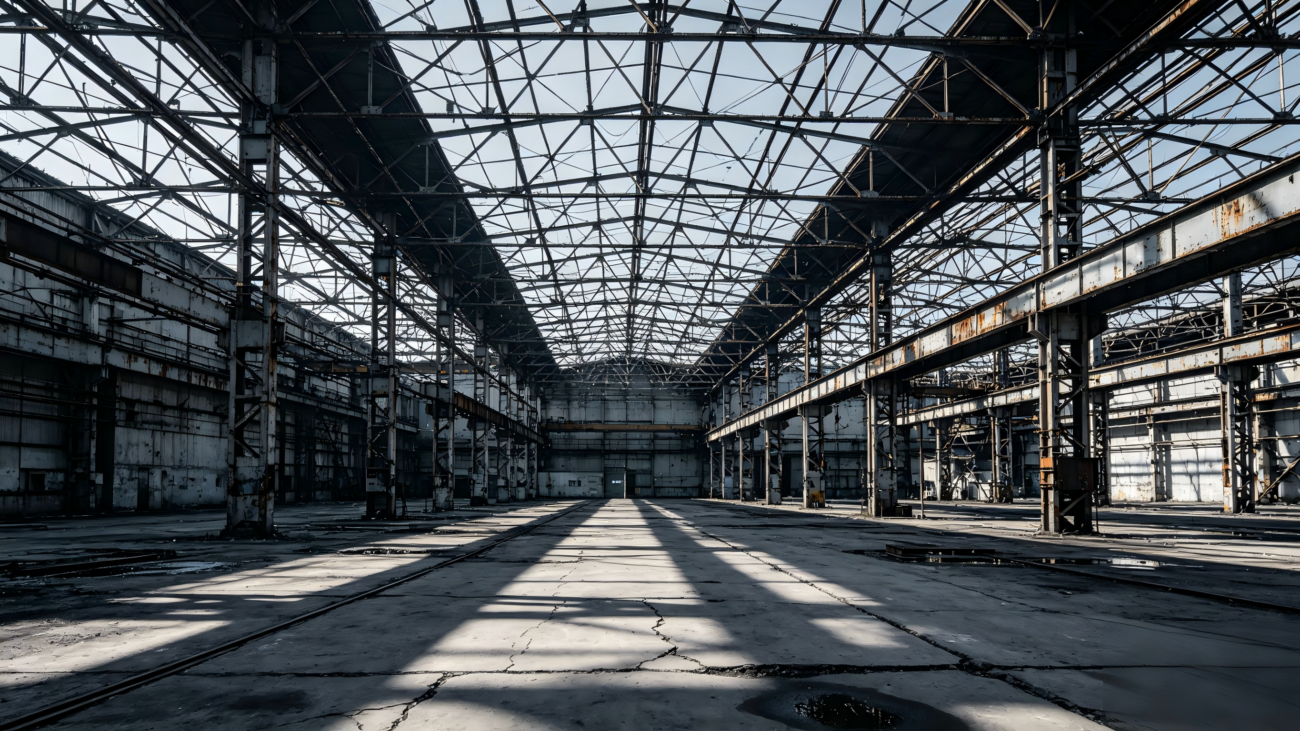
Understanding the difference between Q235 and Q355 helps clients optimize both performance and budget.
| Item | Q235 Steel | Q355 Steel |
|---|---|---|
| Yield Strength | Lower | Higher |
| Cost | Lower | Higher |
| Application | Light structures | Heavy structures |
| Steel Consumption | Higher | Lower (optimized design) |
👉 Engineering Tip:
Using Q355 steel can reduce total steel consumption in large-span structures, even though the material price per ton is higher.
4. Other Common Steel Materials in Steel Structures
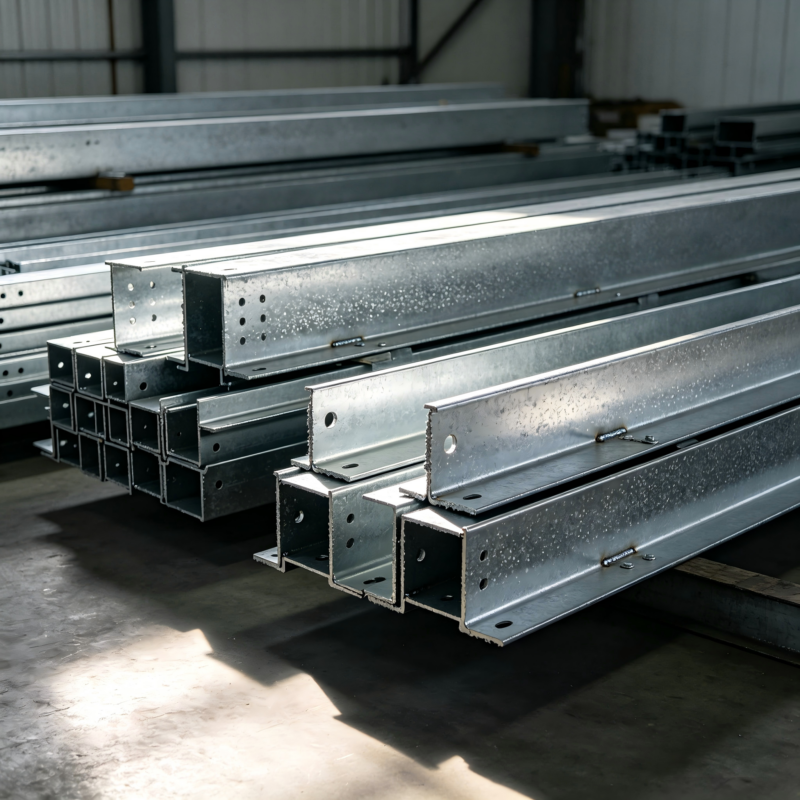
Hot-Dip Galvanized Steel
- Used for corrosion resistance
- Suitable for coastal or humid regions
- Common in outdoor steel structures and solar carports
Cold-Formed Steel
- Lightweight and easy to install
- Used for purlins, girts, and enclosure systems
Weathering Steel (Corten Steel)
- Forms protective rust layer
- Used in architectural and outdoor projects
5. Application in Different Steel Structure Projects
Steel Structure Factory / Workshop
- Main structure: Q355 steel
- Secondary members: Q235 steel
👉 Balanced cost and strength
Steel Structure Warehouse
- Standard warehouse: Q235 + Q355 combination
- Large-span warehouse: mainly Q355
Stadium / Large-Span Buildings
- Mostly Q355 or higher-grade steel
👉 Required for long span and high load capacity
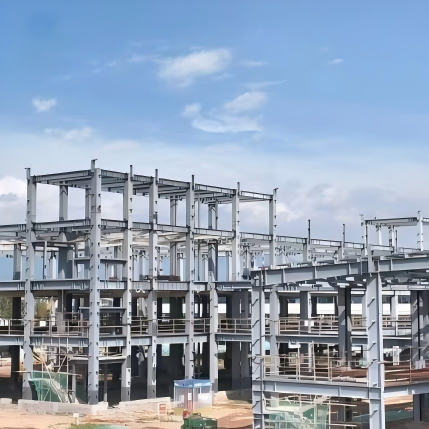
6. Steel Material Quality Standards and Inspection
For international steel structure projects, material quality must comply with relevant standards.
Common Standards:
- Chinese standards: GB/T (Q235, Q355)
- Equivalent international standards: ASTM, EN
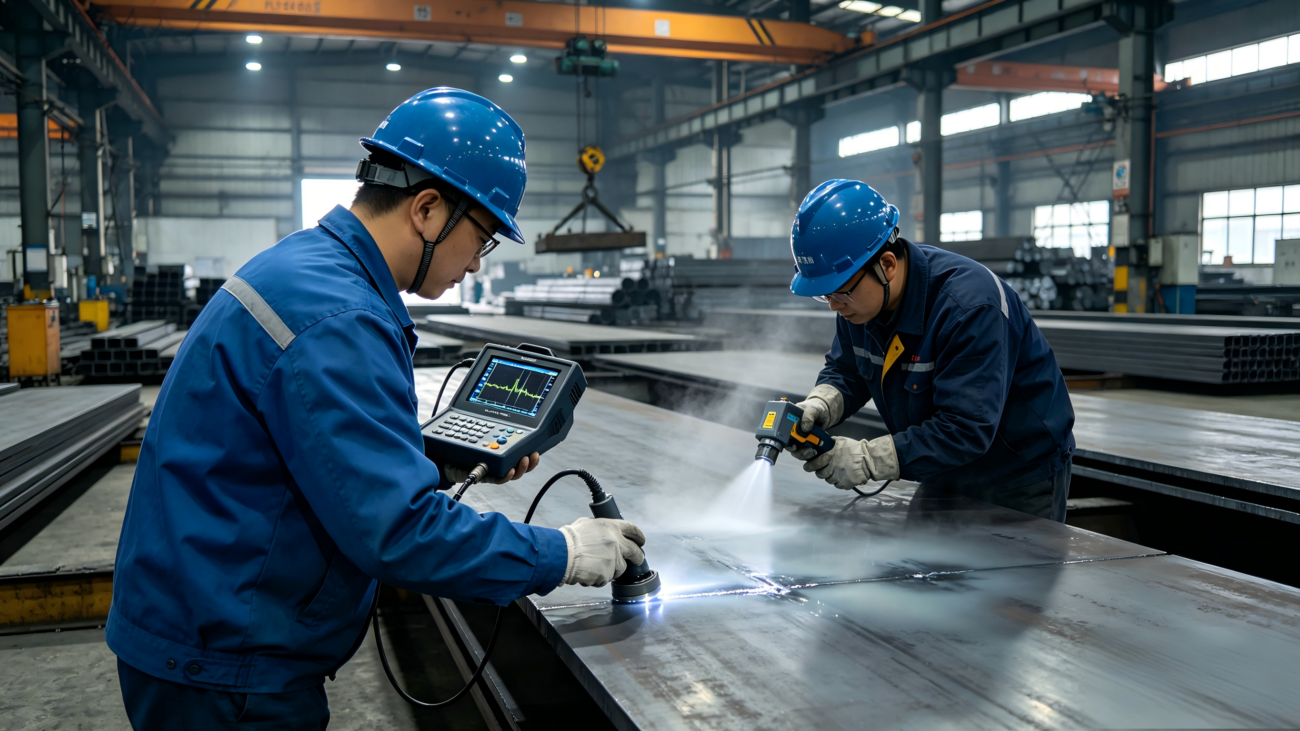
Quality Control Includes:
- Material certificate (Mill Test Certificate)
- Chemical composition analysis
- Mechanical property testing
- Welding quality inspection
👉 Ensuring material quality is critical to structural safety and long-term performance.
7. Why Material Selection Matters in International Projects
In export-oriented steel structure projects, improper material selection may lead to:
- Overdesign → higher cost
- Underdesign → safety risks
- Non-compliance with local codes
Working with an experienced steel structure supplier ensures correct material selection based on project location, load requirements, and budget.
Conclusion
Steel material selection is not just about choosing a grade—it is about balancing performance, cost, and project requirements.
Understanding the differences between Q235, Q355, and other steel materials allows you to make more informed decisions and achieve better results in your steel structure projects.
If you need support in material selection, structural design, or quality inspection, our team can provide a complete solution based on your project needs.
👉 Contact us for steel structure material consultation and testing support.