
Steel Structure Shipping: How Frames Are Packed and Containerized

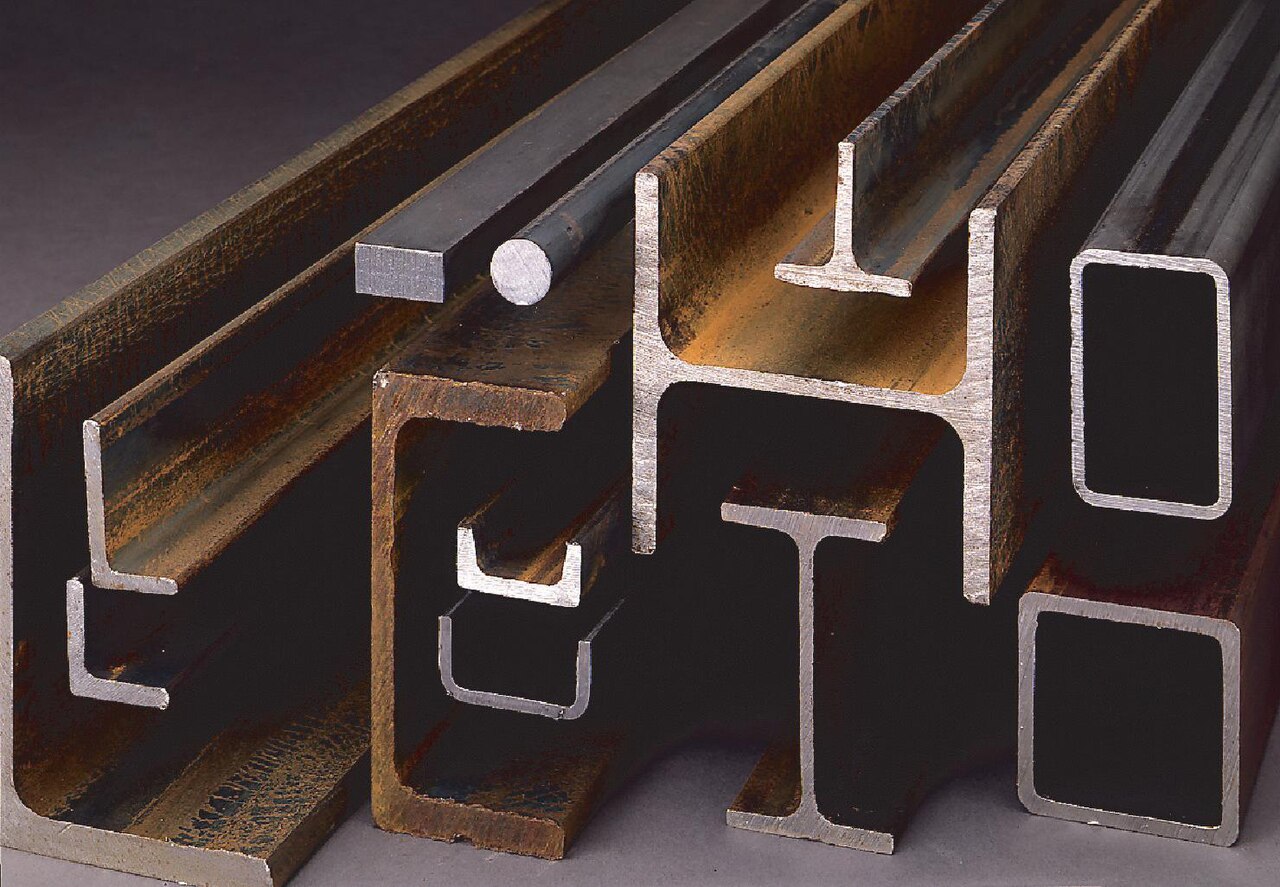
Steel structure components ship as bolted sub-assemblies, not as loose raw steel. Columns, rafters, purlins, bracing, cladding and fasteners are packed separately so they survive a voyage, fit standard containers, and can be erected in a logical order on site. This article walks through the packing methods, loading options and documents you should expect from a steel building manufacturer.

What actually goes into a steel structure shipment
A prefab steel building leaves the factory as a kit of parts, and each part type is packed differently because the risk profile is different. Structural members are heavy and rigid, cladding panels are wide and thin, and bolts are small enough to disappear.
| Component | Typical packing | Main risk |
|---|---|---|
| Columns and rafters | Bolted sub-assemblies, bundles on timber dunnage, steel straps | Bending, coating damage |
| Purlins, girts, bracing | Tied bundles with protective corners | Scratching, loose straps |
| Roof and wall cladding | Crates or flat-rack units with edge protection | Panel edge damage, condensation |
| Bolts, anchors, small parts | Cartons or steel drums, clearly marked | Loss, mixed sizes |
| Sealants and accessories | Separate moisture-protected boxes | Expiry, crushing |
How steel frames are packed for export
Long members rarely travel as single loose pieces. A factory with export experience assembles the main frame on jigs, checks the geometry, then disassembles it into manageable sub-assemblies that can be lifted by crane and bolted back together on site.
Each bundle sits on timber dunnage so the bottom member never touches the container floor, where condensation collects. Steel straps hold the bundle together, and corner protectors stop straps from cutting into the paint. Members that arrive at the port with wet wrapping can develop surface rust during the voyage, so a moisture barrier is part of the packing, not an extra.
This is where the export packaging and loading documentation matters: the packing standard, the marking system and the loading photos should be agreed before production, not discovered at the destination.
Container loading options for steel structures
The shipping method depends on the longest member in your frame, not on total tonnage. A 20-meter clear span warehouse produces rafters that do not fit a standard dry container, so the supplier must plan around open-top containers, flat racks, or break-bulk stowage.
| Mode | Best for | What to watch |
|---|---|---|
| 40ft dry container (HC) | Small frames, purlins, cladding, accessories | Max member length around 11.5m; weight limit |
| 40ft open-top | Members up to about 11.5m needing top loading | Tarpaulin and lashing condition |
| 40ft flat rack | Long beams, wide sub-assemblies | Overwidth permit, lashing points |
| Break bulk / conventional | Very large or heavy frames | Port handling equipment, discharge port capability |
What the supplier should do before loading
A reliable shipment starts before the container arrives. The supplier should prepare a loading plan that shows how many bundles go into each container, their weights and positions, so the vessel stowage and the destination crane plan are both realistic. Weight distribution matters: an overloaded corner of a container is a port rejection waiting to happen.
Before loading, the frame should be inspected against the shop drawings, touched-up where coating was damaged during handling, and photographed. Those photos become part of the shipment record together with the packing list.
If you have never seen how the components travel, the steel building shipping journey from China explains the route, port steps and timing from factory to destination.
Checking the cargo when it arrives
Do not let the trucker leave before the basic count is done. Check bundle quantities against the packing list, look for broken straps, crushed corners and wet packaging, and photograph anything unusual. Surface rust on cut edges is normal after a voyage and can be cleaned and primed. Structural damage — bent flanges, cracked welds, crushed panel edges — should be documented and reported to the supplier with photos within the agreed claim window.
Packing list and marking: the paperwork that keeps the shipment sorted
The packing list is the control document for the whole shipment. It should give every bundle a code, quantity, unit weight and dimensions, and the marks on the steel should match those codes. When the cargo arrives, the site team unloads against this list: bundle by bundle, code by code. If the marks are painted only on the wrapping, they disappear as soon as the wrapping is removed — durable painted marks on the steel itself are worth asking for.
Customs also reads the packing list. A list that does not match the cargo is a delay at the destination port, and in some countries a fine. Ask the supplier to send the final packing list with the loading photos before the vessel sails, and check the gross weights against the booking. A supplier who keeps the paperwork clean usually keeps the steel clean as well.
FAQ
How are steel structure frames packed for export?
Columns and rafters are bolted into sub-assemblies, bundled on timber dunnage and secured with steel straps; purlins and bracing are tied into compact bundles; cladding panels go into crates or flat-rack units; bolts and small parts are boxed separately. Each bundle is marked with its item code so the packing list can be matched on site.
Can steel building components be shipped in a standard 40ft container?
Small and mid-size frames can be containerized, often with purlins and cladding packed inside the same container. Long members that exceed container length usually go on open-top containers, flat racks or break-bulk. The supplier should provide a loading plan before booking the vessel.
What documents should I check when steel structure cargo arrives?
The packing list, bill of lading, loading photos and any inspection report. Count bundles against the packing list, check straps and wrapping for damage, and photograph any broken packing immediately before unloading. Surface rust on cut edges can be touched up; structural damage should be recorded and reported to the supplier.
Planning a steel structure project? Send your building dimensions, local wind and snow loads, and your port of discharge, and we will confirm the packing method and loading plan in the quotation.
