
Industrial Steel Building for Kenya: Nairobi, Mombasa and Rift Valley Guide

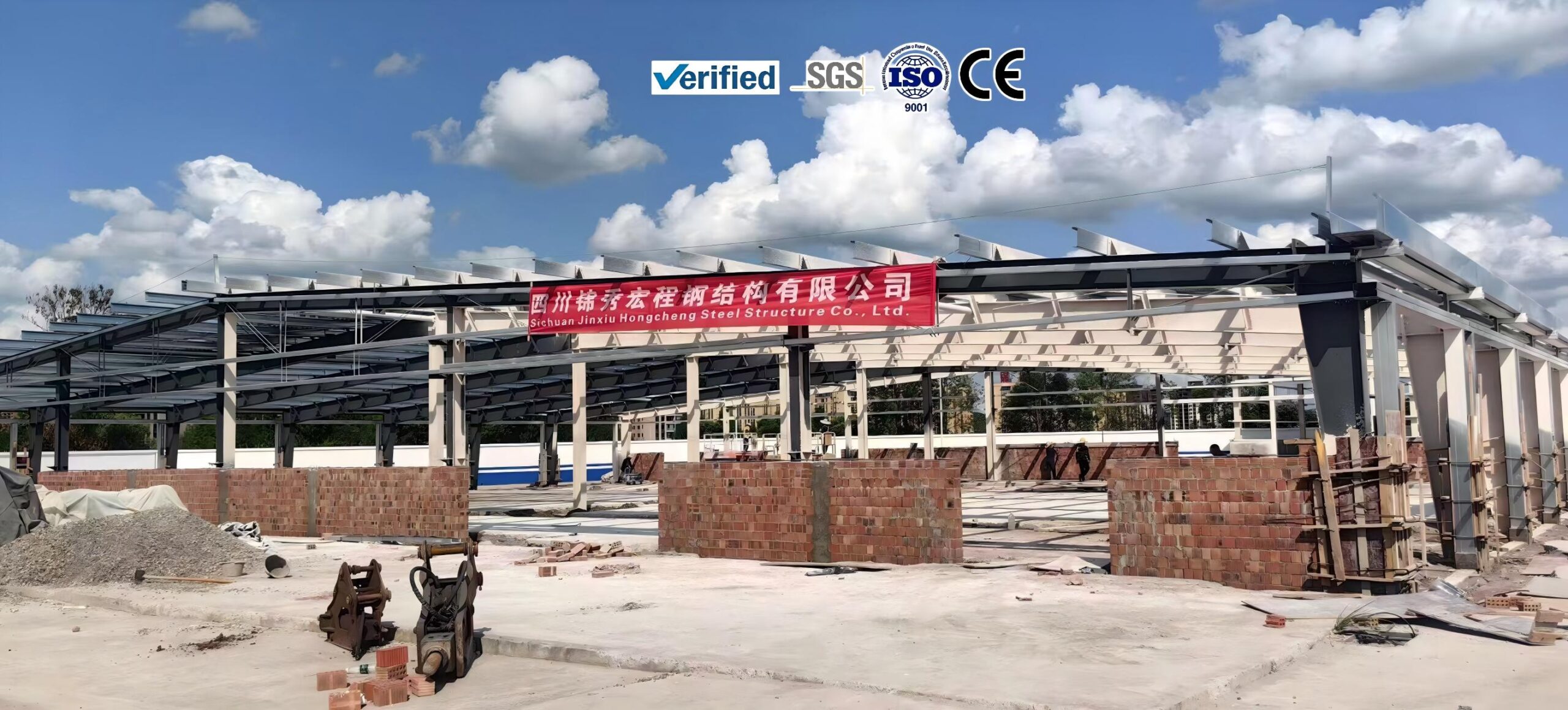
Kenya has become one of East Africa’s most active markets for industrial steel construction. Manufacturers expanding in Nairobi’s industrial area, agro-processors near Nakuru and Eldoret, logistics operators along the Mombasa corridor, and developers building special economic zones all need durable, fast-to-erect floor space. For contractors, developers, and project buyers sourcing a prefabricated industrial steel building for Kenya, this guide covers the structural, environmental, and procurement decisions that determine whether a project lands on budget and on time.
Why industrial steel buildings fit the Kenyan market
Industrial demand in Kenya rewards buildings that go up quickly, span wide, and tolerate the realities of construction logistics across the country. A prefabricated steel structure is fabricated in a controlled shop, shipped in containers to Mombasa, and erected on a prepared foundation, which compresses the build program compared with in-situ alternatives and reduces the dependence on a deep local skilled-trades pool during the structural phase.
Steel suits the Kenyan use cases that dominate enquiries: manufacturing plants, agro-processing and grain storage, warehousing and distribution along the Northern Corridor, and workshops for vehicles and equipment. A clear-span frame gives an unobstructed floor for production lines and racking, and the modular nature of portal-frame construction makes phased expansion straightforward as a business grows. The same structural system underpins both a distribution steel warehouse and a production steel workshop building, with the differences showing up in clear height, services, and door schedules.
Regional drivers from Nairobi to Mombasa
Location within Kenya shapes the brief. Nairobi and its industrial satellites sit at altitude with a temperate climate and a focus on manufacturing and light industry. Mombasa and the coast bring heat, humidity, and salt-laden air that drive corrosion protection. The Rift Valley towns combine agro-processing demand with seismic considerations, since the region sits within the East African Rift system. A building specified for a coastal Mombasa logistics park is not the same building as one for a Nairobi factory, and the specification should reflect that from the first conversation.
Span and clear height for Kenyan industrial buildings
Span drives steel tonnage, so it is the first decision that affects cost. Kenyan factories and warehouses commonly use clear spans of 20 m to 36 m for single blocks, with multi-span layouts where the plot is wide and internal columns on a regular grid are acceptable. Agro-processing and grain stores sometimes need genuinely column-free volumes for bulk handling, which pushes toward clear-span frames; general manufacturing usually tolerates a column grid that keeps the steel lighter.
Clear height follows the process. A general warehouse with selective racking may target 8 m to 10 m clear under the haunch, while a plant with overhead handling, tall process equipment, or high-piled storage needs more. As always, specify clear height to the lowest structural or services obstruction rather than to the ridge, and add allowances for lighting, sprinkler pipework where fitted, and any overhead crane envelope. Defining clear height against the real equipment, not a round number, avoids both wasted height and the worse problem of a building that cannot accommodate the plant.
Grid, bays, and phased growth
Bay spacing of 6 m to 8 m is typical and balances purlin economy against frame count. Many Kenyan industrial projects are built in phases as funding and demand allow, so designing the end frame as an internal frame and detailing the foundations for a future bay turns expansion into a simple connection rather than a rebuild. Buyers who know growth is coming should commit that flexibility into the first design rather than hoping to retrofit it.
Wind load in Kenya
Wind is a primary lateral load for Kenyan industrial buildings, and design wind speeds vary by region and exposure. Open inland plots and coastal sites near Mombasa see higher effective wind action than sheltered urban locations. The structural engineer designs to the project’s adopted code basis, and the wind methodology, exposure category, and local pressure coefficients must be confirmed for the specific site rather than assumed from a neighbouring project.
The critical case for a light steel roof is uplift. Because the roof has little self-weight to resist suction, the holding-down bolts, base plates, and sheeting fixings must be designed for net uplift, and corner and edge zones of the roof are fixed more densely because they see the highest local suction. Kenya formally adopts structural design standards through the Kenya Bureau of Standards, and buyers can confirm the current normative references through the Kenya Bureau of Standards. Many Kenyan consultants design to the Eurocode framework, whose load definitions are published via the European Commission Eurocodes resource. Our own steel structure design guide explains how these load cases combine.
Snow load and rainfall: the real roof loads in Kenya
Snow load does not apply in Kenya, so it never governs roof design. The roof loads that do matter are wind uplift, maintenance access, any mounted plant or solar, and rainwater. Kenya’s long and short rains produce intense downpours, so roof pitch, gutter sizing, and downpipe capacity have to handle high instantaneous rainfall to prevent ponding and overflow. Undersized drainage is a common and avoidable defect; size the rainwater system to the regional intensity, not a generic figure, and keep the roof pitch adequate to shed water quickly.
Rooftop solar is increasingly attractive in Kenya given grid costs and good insolation. If solar is even a future possibility, declare it at design stage so the purlins and frames carry the additional dead and point loads, avoiding expensive strengthening later.
Seismic load in the Rift Valley and beyond
Kenya straddles the East African Rift, so seismic action deserves genuine attention, particularly for sites in and around the Rift Valley. For a light single-storey steel building the seismic mass is modest and wind often still governs, but the picture changes with heavy mezzanines, building-tied racking, tall process equipment, or attached concrete structures, all of which add mass that the frame, bracing, and connections must carry through a seismic event. The structural engineer evaluates the governing case for the specific location, and Rift Valley sites should not be treated with the same low-seismic assumptions that might suit a coastal plot.
Insulation and the Kenyan climate range
Kenya’s climate spans temperate highland conditions around Nairobi to hot, humid coastal conditions at Mombasa, so insulation needs vary by location and by what the building does. A Nairobi manufacturing shed in a temperate climate may need only modest roof insulation for comfort and condensation control, while a coastal warehouse or any temperature-controlled facility needs a proper insulated build-up.
Options run from insulated sandwich panels (PIR, PUR, or rock wool cored) for controlled environments to built-up systems of outer sheet, mineral wool, and liner for general industrial use. For agro-processing and food facilities, condensation control and hygiene drive the panel and joint detailing. A reflective roof coating helps in hot locations by reducing solar gain and internal temperatures, which improves working conditions and lowers any cooling load. These choices feed straight into the budget, broken down in our steel building cost guide.
Cladding and corrosion protection
Corrosion protection is one of the most important and most often under-specified parts of a Kenyan industrial building. Coastal Mombasa air is corrosive due to salt, agro-processing environments can be chemically aggressive, and even inland sites face moisture during the rains. The coating system has to match the site corrosivity.
A robust approach combines hot-dip galvanizing of secondary steel, a multi-coat paint system on primary frames stepped up for coastal or aggressive environments, metallic-coated cladding sheets with a durable paint finish, and corrosion-resistant fasteners that will not streak rust within a season. Specifying a generic inland coating for a coastal Mombasa building is a frequent and costly error. Our quality control guide sets out how coating thickness and weld integrity are verified before steel leaves the factory.
Crane systems for Kenyan workshops and plants
Manufacturing plants, fabrication shops, and equipment depots in Kenya frequently need overhead lifting. The crane requirement must be defined before the frame design begins because crane loads dictate column sizes, bracing, gantry beams, and foundations. A single-girder electric overhead travelling crane of 5 t to 10 t covers most maintenance and light fabrication, while double-girder cranes serve heavier steel and equipment handling.
Capture crane capacity, span, hook height, and duty cycle in the brief, along with the lateral surge and longitudinal braking forces. Adding a crane after the steel is detailed forces re-engineering and delay, so the crane belongs in the original specification alongside racking and doors.
Ventilation for Kenyan industrial buildings
Ventilation manages heat build-up under the roof and provides fresh air for occupants and processes. In hot coastal locations and in any building with heat-generating processes, removing the hot air layer beneath the ridge improves comfort and protects equipment. Passive ridge vents and wall louvres drive stack-effect airflow, while powered roof extractors and large-diameter fans handle bigger sheds and hotter processes.
Workshops with welding, painting, grain dust, or vehicle movement need mechanical extraction sized to the process, coordinated with the cladding so the structure frames the louvres and ductwork cleanly. Designing ventilation openings into the building from the start avoids disruptive retrofits and, for dust-generating agro-processing, supports both worker health and explosion-risk management.
Installation and the realities of Kenyan site work
Erection of a prefab steel building in Kenya is rapid once foundations are ready, but the program depends on coordination between the local foundation contractor and the steel erection team. The sequence runs foundation and anchor bolt setting, frame erection, secondary steel and bracing, roof cladding, wall cladding, then doors, drainage, and fit-out.
Site logistics deserve planning. Access for delivery trucks, crane availability for erection, and the timing of work around the rainy seasons all affect the program. Heavy rains can disrupt earthworks and slow site movement, so scheduling foundations and erection to avoid the worst of the long rains protects the timeline. A realistic program sees the steel frame erected in a few weeks once foundations cure, with cladding and fit-out following. Our steel building installation timeline sets out each phase.
Shipping to Mombasa and inland transport
Steel fabricated off site is containerised and shipped to the Port of Mombasa, then trucked inland to Nairobi, the Rift Valley, or wherever the site sits. Because inland transport adds cost and time, the delivery should be sequenced so components arrive in erection order and the site is not double-handling steel. A clear packing list tied to the erection sequence, and realistic allowance for port clearance and inland haulage, keep the program honest.
Delivery time and protecting the schedule
Lead time comprises design and approval, fabrication, shipping to Mombasa, inland transport, and erection. Buyers most often underestimate the combination of port clearance and local approvals. Fabrication can run in parallel with approval only if the design is frozen early, so the discipline that protects the schedule is freezing the structural concept and major openings before fabrication, confirming the foundation design so site work starts while steel is in production, and booking shipping to align with the erection window. Complete information at quote stage is the single biggest accelerator; the required inputs are listed in our steel building quote requirements.
Local code and approvals in Kenya
Building approval in Kenya runs through county governments and the National Construction Authority, with structural designs prepared and certified by engineers registered with the Engineers Board of Kenya. Standards are coordinated by the Kenya Bureau of Standards, and many consultants design to Eurocode-based references adopted into the Kenyan framework. Fire safety, environmental approval through NEMA where applicable, and county building permits each have their own requirements and timelines. Buyers should confirm the county jurisdiction and the approval route early so design, approval, and fabrication can be sequenced. A cross-market view of approval routes is collected in our global country guides.
Budget control on Kenyan projects
Cost control comes from specifying to need. The biggest levers are span (avoid over-spanning where a column grid is acceptable), clear height (every extra metre adds steel and cladding), corrosion protection (coastal versus inland), insulation build-up, and crane provision. Because steel is shipped and trucked inland, transport and port costs are a real line item, so an efficient design that reduces unnecessary tonnage saves on both fabrication and freight.
The second discipline is avoiding change after fabrication. Changes are cheap on a drawing and expensive on site, and doubly so when steel has already crossed an ocean. A complete, frozen brief is the most reliable cost-control tool, and where future growth is genuinely uncertain, building in deliberate flexibility (extra bay readiness, reserve crane capacity) is better than discovering the need after the building is up.
Maintenance in the Kenyan environment
Maintenance priorities in Kenya are corrosion protection and drainage. Inspect coatings on primary steel and cladding for early rust, especially at cut edges, fixings, and coastal-facing elevations, and touch up promptly. Keep gutters and downpipes clear so the heavy rains drain freely without ponding or overflow, and check roof fixings after storm periods. Service door gear, seals, and louvres, and re-torque critical bolted connections on the maintenance schedule. In agro-processing buildings, manage dust accumulation for both hygiene and fire safety. Regular, modest maintenance preserves a steel building’s long service life in Kenyan conditions.
Foundations and ground conditions in Kenya
Foundation design starts with a geotechnical investigation, and in Kenya ground conditions range from the firm volcanic soils of the central highlands to expansive black cotton soils found in parts of the country and softer coastal strata near Mombasa. Black cotton soil is a particular concern because it shrinks and swells with moisture, and founding a building on it without proper treatment leads to differential movement and cracking. Where such soils are present, the engineer may specify removal and replacement, piling to a competent layer, or a stiffened foundation designed to tolerate the movement.
The geotechnical report decides whether the building sits on pad footings, strip footings, or piles, and it must be available early so foundation design proceeds in parallel with steel fabrication rather than holding up the program. Anchor bolt and base plate details then reconcile the wind uplift case with bearing and sliding from the ground. The warehouse slab also needs design attention: racking leg loads, forklift wheel loads, and surface flatness for the chosen material handling equipment all set the slab thickness, jointing, and tolerance.
Fire safety and agro-processing considerations
Fire strategy matters for Kenyan industrial buildings, especially high-piled storage and agro-processing facilities. The sprinkler design, where fitted, follows the stored commodity and storage height, and the pipework adds load and occupies clear height, so it must be coordinated with the structure before the frame is fixed. Means of escape, firefighting access, and compartmentation of office and ancillary areas all feed into the design.
Agro-processing brings the additional issue of combustible dust. Grain, flour, and similar products generate dust that is both a health hazard and an explosion risk, so ventilation, extraction, and housekeeping have to be designed in, and electrical and mechanical fittings selected for the dust environment where required. Capturing the fire and dust strategy in the brief, alongside storage height and commodity type, avoids the costly retrofit of extraction or sprinkler capacity to pass inspection after the building is complete.
Frequently asked questions
What clear span suits a manufacturing plant in Nairobi’s industrial area?
Most Nairobi manufacturing plants work well at 20 m to 36 m clear span for single blocks, with multi-span layouts where the plot is wide and a regular column grid is acceptable. Genuinely column-free volumes, needed for some bulk handling or large assembly lines, push toward clear-span frames at a higher steel tonnage, so confirm whether the process truly needs a column-free floor or can accept a grid that keeps the steel lighter and the budget lower.
How should a steel building near Mombasa be protected against coastal corrosion?
Coastal Mombasa air is salt-laden and corrosive, so the coating system is stepped up: hot-dip galvanizing on secondary steel, an upgraded multi-coat paint system on primary frames, metallic-coated cladding with a durable finish, and corrosion-resistant fasteners. Matching the specification to the coastal corrosivity category, rather than using a generic inland coating, is what prevents premature rust and protects the building’s service life on the coast.
Does an industrial building in the Rift Valley need seismic design?
Yes, the Rift Valley sits within the East African Rift system, so seismic action deserves genuine attention there. For a light single-storey steel building the seismic mass is modest and wind may still govern, but heavy mezzanines, building-tied racking, tall process equipment, or attached concrete elements add mass that the frame and connections must carry through a seismic event. The structural engineer evaluates the governing case for the specific Rift Valley location.
How is rainwater handled on a steel roof during the Kenyan rains?
Kenya’s long and short rains bring intense downpours, so the roof pitch, gutter sizing, and downpipe capacity must handle high instantaneous rainfall to prevent ponding and overflow. Drainage should be sized to the regional rainfall intensity rather than a generic figure, and the roof pitch kept adequate to shed water quickly. Undersized drainage is a common, avoidable defect, so it is worth confirming the rainwater design explicitly at the design stage.
How long does delivery and erection take for a steel building shipped to Kenya?
The program combines design and approval, fabrication, shipping to the Port of Mombasa, inland transport, and erection. Port clearance and inland haulage add time that buyers often underestimate, and fabrication can run in parallel with local approval only if the design is frozen early. Sequencing foundations and erection to avoid the worst of the rainy seasons, and providing complete information at quote stage, are the most effective ways to protect the schedule.
Who certifies and approves a steel building design in Kenya?
Structural designs in Kenya are prepared and certified by engineers registered with the Engineers Board of Kenya, with building approval through the relevant county government and the National Construction Authority. Standards are coordinated by the Kenya Bureau of Standards, and fire and environmental approvals apply where relevant. Confirm the county jurisdiction and approval route early so design, approval, and fabrication can be sequenced without holding up the project.
An industrial steel building for Kenya rewards a buyer who matches the specification to the site and the process: the right span and clear height, corrosion protection tuned to coast or interior, seismic attention where the Rift Valley demands it, drainage sized for the rains, and a frozen brief that lets fabrication run while approvals proceed. Make those decisions deliberately and the building goes up fast, performs across Kenya’s varied conditions, and expands cleanly as the operation grows. To begin a specification or pricing conversation for a Kenyan project, you can request a quote.