
Saudi Arabia Prefab Steel Warehouse Guide for Riyadh, Jeddah and Dammam Logistics Projects

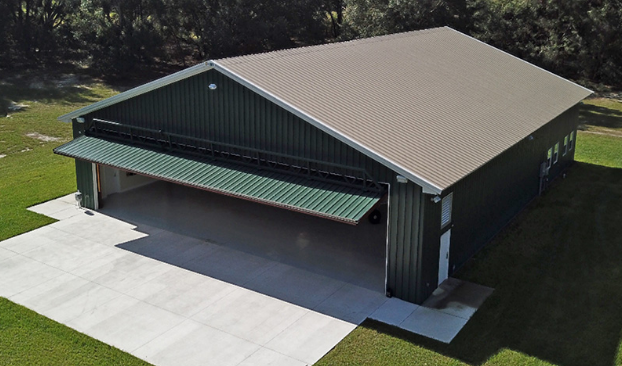
A prefab steel warehouse in Saudi Arabia has to do more than cover storage space. It has to work in hot inland climates around Riyadh, humid and saline conditions around Jeddah, and heavy industrial logistics zones near Dammam, Jubail, and King Abdulaziz Port. For procurement managers, contractors, industrial park owners, and architects, the main question is not only the steel price per ton. The real buying decision is whether the frame, cladding, coatings, foundation loads, ventilation plan, fire access, and erection method match the Saudi site from the first design issue.
This guide is written for B2B buyers comparing imported prefab steel warehouse packages for distribution centers, spare parts stores, dry goods storage, e-commerce fulfillment, cold-room support buildings, and industrial yards in Saudi Arabia. It explains design loads, steel specifications, corrosion protection, installation timing, budget ranges, and the documents needed before asking for a firm quotation. If you are still defining the building type, review our prefab steel warehouse product page and the steel structure design guide before sending drawings to suppliers.
Where prefab steel warehouses fit in the Saudi market
Saudi Arabia is building large storage and processing capacity around Riyadh, Jeddah, Dammam, Jubail, Yanbu, NEOM-related supply corridors, and new industrial cities. Many projects need large clear spans, fast installation, and predictable steel member fabrication. A portal-frame prefab warehouse is often chosen when the project needs quick dry storage, wide forklift aisles, future extension, and a lower dead load than reinforced concrete framing.
In Riyadh, buyers often focus on heat gain, dust control, truck circulation, and long-span storage halls for consumer goods or construction materials. In Jeddah, the sea air and humidity move coating selection to the front of the design meeting. In Dammam and Jubail, many buyers require heavier-duty floors, crane-ready bays, oil and gas support storage, pipe racks, or sheltered assembly areas. These local conditions change the specification. A 30 m clear-span dry storage shed in central Saudi Arabia should not be priced with the same paint system and ventilation package as a coastal chemical storage warehouse.
Typical project scenarios in Riyadh, Jeddah and Dammam
- Riyadh logistics warehouse: 3,000–20,000 m², clear span from 24–36 m, insulated roof panels, ridge vents or mechanical exhaust, dust-resistant doors and truck yard planning.
- Jeddah port support warehouse: 2,000–12,000 m², higher anti-corrosion coating, wall panels with better fasteners, gutter protection, and details that reduce water leakage during coastal humidity and seasonal rain.
- Dammam industrial storage building: 5,000–30,000 m², heavier column base reactions, optional 5–20 ton overhead crane provision, impact guards, wide roller doors, and coordination with process equipment foundations.
- Cold chain support building: insulated sandwich panels, vapor control, thermal breaks at doors, and a frame designed for equipment loads hung from purlins only when approved by the engineer.
- Industrial park speculative warehouse: modular bays, future extension end wall, repeatable column spacing, and a clean bill of materials for faster tender comparison.
Structural design basis for Saudi Arabia
The structural design should start with a site-specific design brief, not a generic span chart. The engineer needs the city, coordinates, terrain category, building occupancy, roof slope, eave height, bay spacing, openings, mezzanine loads, crane loads, and any equipment loads. Saudi projects may reference the Saudi Building Code, project owner standards, municipality requirements, civil defense requirements, and consultant specifications. Some international projects also ask suppliers to check AISC, ASCE 7, IBC, MBMA, or Eurocode principles where the consultant accepts them.
Wind load is a main issue for a light steel warehouse because roof uplift, gable-end pressure, corner zones, and large door openings can drive member and connection design. Do not compare two warehouse offers if one supplier designed for a low wind speed and another used the required local speed. Large openings should be marked on the drawings because internal pressure changes purlin, cladding, and anchor bolt demand.
Snow load is usually low in many Saudi industrial zones, but roof live load, maintenance load, suspended services, solar panel loads, and sand accumulation risk must be reviewed. In some highland or northern locations, the consultant may request special checks. Seismic load is also site-dependent. It may not control every warehouse, yet column bases, bracing lines, anchor bolts, and expansion joints should still be checked against the project code.
| Design item | Saudi buyer should confirm before quotation |
| Wind speed and exposure | City, terrain, building height, openings, roof slope, and whether the site is open desert, industrial zone, or urban edge |
| Seismic design | Soil class, importance factor, consultant code, bracing layout, anchor bolt design, and foundation interface |
| Roof loads | Live load, maintenance load, solar panels, MEP hangers, duct loads, sand risk, and any suspended ceilings |
| Wall openings | Roller shutters, dock doors, louvers, canopies, personnel doors, and fire exits |
| Future expansion | End-wall design, removable cladding, column line planning, and reserved foundation positions |
Recommended frame, steel grades and member layout
Most Saudi prefab steel warehouse projects use a portal frame with tapered welded H-section columns and rafters. Secondary members normally include galvanized or painted C/Z purlins, wall girts, sag rods, tie bars, bracing rods, knee bracing, and framed openings. For long buildings, roof and wall bracing bays should be placed so loads can move cleanly to foundations without blocking doors or process lines.
Common material grades include Q355 or Q235 in Chinese supply, or equivalent grades accepted by the engineer. For projects specified to ASTM or EN standards, the material certificate should map the supplied grade to the required yield strength, tensile strength, elongation, and chemical limits. Bolts are commonly high-strength friction or bearing type where required by design, while anchor bolts must match the base plate thickness, grout detail, and foundation design.
For warehouses with forklifts and racking, the steel frame should coordinate with the floor plan. Column spacing of 6 m, 7.5 m, 8 m, or 9 m is common, but the best bay size depends on racking aisles, dock doors, truck turning, and cladding economy. If the building has an overhead crane, crane runway beams, column brackets, horizontal braking force, vertical wheel loads, and service class must be included from day one. Retrofitting a crane after the warehouse is built is much more expensive than designing for it early.
Cladding, insulation, ventilation and heat control
Saudi heat affects worker comfort, stored goods, and roof panel movement. A bare single-skin roof can work for simple unconditioned storage, but many logistics clients choose insulated sandwich panels, fiberglass insulation under metal sheets, or reflective foil plus ventilation. For food, packaging, electronics, spare parts, or chemical storage, insulation and vapor control need to be checked with the end user.
Roof and wall panels should specify base metal thickness, coating type, paint finish, rib profile, fastener type, washer material, and overlap details. For Jeddah and other coastal zones, fasteners and cut edges are weak points. Specify suitable screws, sealants, flashing, gutters, and downpipes. Poor detailing at penetrations and gutters can create water entry even when the main panel is acceptable.
Ventilation can be natural, mechanical, or mixed. Ridge vents, wall louvers, turbine ventilators, exhaust fans, and large industrial doors all change airflow and internal pressure. If the warehouse needs temperature control, coordinate the envelope with HVAC sizing. A low-cost cladding choice can increase cooling demand over the life of the building.
Surface treatment and anti-corrosion choices
The coating system should follow the site environment. Inland dry locations may use shot blasting to Sa 2.5 and a primer plus finish paint system. Coastal Jeddah, Yanbu, or Dammam projects often need a higher dry film thickness, zinc-rich primer, epoxy intermediate coat, polyurethane topcoat, or hot-dip galvanizing for selected secondary members. The correct choice depends on exposure, maintenance plan, humidity, chemicals, and whether members are inside or outside the building envelope.
| Environment | Typical anti-corrosion direction | Buyer note |
| Inland dry warehouse | Blast cleaning plus primer and finish paint | Check dust, heat, and storage handling damage during shipping |
| Coastal logistics site | Zinc-rich primer or heavier epoxy system; consider galvanized purlins | Pay attention to screws, flashings, gutters, and cut edges |
| Chemical or process support building | Project-specific coating with chemical resistance | Share chemical exposure data before design |
| Open canopy or semi-open shed | Higher UV and humidity resistance | Edges and base plates need extra care |
| Long-life public or government facility | Documented coating warranty and inspection records | Ask for coating data sheets and DFT reports |
Fabrication quality, packing and shipping to Saudi ports
A prefab steel warehouse is only as reliable as the shop drawings, welding, hole accuracy, trial assembly checks, and packing plan. Before production, buyers should approve anchor bolt plans, general arrangement drawings, member drawings, cladding layout, bolt lists, and loading lists. During fabrication, ask for material certificates, welding inspection records, dimensional checks, blasting grade records, coating dry film thickness readings, and packing photos.
Shipping is usually planned by container or bulk shipment, depending on member length and project size. Long rafters may need splicing to fit containers. The supplier should mark every member with durable piece marks that match the erection drawings. For Saudi ports such as Jeddah Islamic Port and King Abdulaziz Port in Dammam, packing must protect coating during sea transport and desert trucking. Clear container loading lists reduce customs and site sorting delays.
Installation sequence and realistic project timeline
For a typical 5,000–10,000 m² Saudi warehouse, production may take 30–60 days after drawing approval, depending on steel tonnage and coating. Sea freight, customs, and inland transport may add several weeks. Site erection duration depends on foundation readiness, crane access, weather, crew size, and whether cladding starts while frame erection is still underway.
| Stage | Typical duration | Key control point |
| Concept and quotation | 3–10 days | Provide span, length, height, loads, doors, crane, insulation, and location |
| Engineering and shop drawings | 10–25 days | Consultant review, code basis, anchor bolt plan, and connection approval |
| Fabrication and painting | 30–60 days | Welding, drilling, blasting, coating, marking, and packing |
| Shipping and customs | 20–45 days | Port choice, container plan, documents, and import coordination |
| Foundation and anchor bolts | Runs in parallel | Survey accuracy and anchor bolt template control |
| Steel frame erection | 2–6 weeks for many medium projects | Crane access, bracing first, bolt tightening, alignment |
| Roof and wall cladding | 2–5 weeks | Panel storage, screw pattern, flashing, gutter sealing |
See our steel building installation timeline for a fuller sequence. The most common delay is not steel fabrication. It is late approval of drawings, foundation changes after production, missing door information, or anchor bolts placed without checking the template.
Budget ranges and cost drivers in Saudi Arabia
Any online price can only be a planning range. Steel price, building geometry, coating, insulation, crane requirement, seismic and wind loads, shipping, and erection scope all affect the final cost. A simple uninsulated steel warehouse has a very different budget from a fully insulated logistics center with dock doors, fire-rated partitions, MEP supports, and a high-grade coating system.
| Building type | Indicative steel package range | Main cost drivers |
| Basic dry storage warehouse | USD 45–85/m² for steel frame and cladding package in many cases | Span, steel weight, panel thickness, wind load, shipping |
| Insulated logistics warehouse | USD 70–130/m² package range | Sandwich panels, doors, gutters, fasteners, ventilation, roof accessories |
| Crane-ready industrial warehouse | USD 90–180/m² package range | Crane runway, heavier columns, bracing, fatigue class, anchor bolts |
| Coastal high-corrosion warehouse | Add 8–20% or more to coating and accessories | Paint system, galvanized items, fasteners, inspection documentation |
| Turnkey local construction | Varies widely by site and local contractor | Foundation, slab, MEP, fire systems, labor, permits, logistics |
For more context, compare this with our steel building cost guide. When requesting a quote, send the site city, soil report if available, design code, basic layout, door schedule, desired coating, insulation, crane data, and delivery term. If you need a priced option, request one base design and two alternates instead of asking every supplier to guess the specification.
Local regulations, fire access and consultant coordination
Saudi projects commonly involve an owner, local consultant, municipality review, civil defense comments, and sometimes free zone or industrial authority requirements. The steel supplier should not replace the local engineer of record. The supplier provides structural calculation sheets, fabrication drawings, material certificates, and installation drawings, while the local team confirms permitting, foundations, fire water, egress, site drainage, and utility coordination.
Fire access routes, hydrant positions, emergency exits, smoke ventilation, wall separation, and stored goods classification can affect the building layout. Large warehouses may require fire compartments, sprinkler coordination, smoke vents, and protected exits. These items should be confirmed before final steel drawings, because adding openings and penetrations after fabrication can affect structural members and cladding layout.
Procurement checklist for Saudi buyers
- Confirm site city, coordinates, building use, dimensions, eave height, and future extension plan.
- List all doors, docks, windows, louvers, canopies, mezzanines, cranes, and equipment loads.
- Ask suppliers to state design code, wind speed, seismic basis, steel grade, bolt grade, panel thickness, and coating system.
- Request 3D views or erection drawings so the local contractor can review crane access and installation method.
- Check what is included: steel frame, secondary steel, cladding, bolts, anchor bolts, gutters, doors, insulation, ventilation, and drawings.
- Ask for packing lists, piece marking method, and quality documents before shipment.
- Use Get a Custom Steel Structure Building Quote when the basic project data is ready.
Common buyer questions
What span is practical for a Saudi prefab steel warehouse?
Clear spans of 24 m to 36 m are common for logistics and storage buildings. Wider spans are possible, but steel weight rises. If racking allows internal columns, a multi-span frame may reduce cost. The best choice depends on forklift flow, dock layout, fire lanes, and future equipment.
Should I choose hot-dip galvanizing or paint?
For many inland enclosed warehouses, a good paint system is enough. For coastal, exposed, or humid industrial sites, galvanized secondary members or a heavier paint system may be better. The decision should be made after reviewing exposure class, desired service life, and maintenance access.
Can the steel building supplier include installation?
Many suppliers provide installation drawings, supervisors, or a full erection team depending on country rules and project size. In Saudi Arabia, a local contractor is often responsible for foundations, cranes, labor permits, and site safety. Confirm the division of responsibility in the contract.
How early should anchor bolt drawings be issued?
Issue anchor bolt drawings as soon as the main frame design is approved. Foundations can often proceed while steel is fabricated, but bolt position and levels must be controlled by survey and templates. Anchor bolt errors are one of the most expensive site problems.
Final procurement advice
For Saudi Arabia, buy the specification, not just the tonnage. A strong offer should name the design basis, wind and seismic assumptions, steel grade, coating system, panel type, shipping plan, and installation support. For Riyadh, focus on heat, dust, and large logistics flow. For Jeddah, check corrosion and waterproofing. For Dammam and Jubail, pay attention to industrial loads, crane provisions, and coating details. Contact our team through the Contact Us page or request pricing through the Saudi warehouse page at Saudi Arabia Prefab Steel Warehouse Supplier.
Useful references for project teams include the Saudi Building Code National Committee, Saudi Ports Authority, and International Code Council.
Detailed specification example for a Saudi logistics warehouse
To make supplier comparison easier, Saudi buyers can prepare a short performance specification before asking for prices. A typical medium-size logistics warehouse in Riyadh may be 72 m wide by 120 m long with 9 m eave height, three internal spans, 8 m bay spacing, insulated roof panels, single-skin wall panels with liner in office areas, four loading doors, two large forklift doors, ridge ventilation, and reserved roof zones for future solar panels. The design brief should state whether the building stores general goods, flammable materials, chilled products, spare parts, or heavy pallets. Storage classification changes fire safety, ventilation, floor load, and internal partition needs.
For Jeddah or Dammam, the same brief should add coastal exposure notes. The supplier should then price the base paint system and a higher-corrosion alternate. This gives the owner a practical decision: accept a lower initial price with planned maintenance, or pay more at purchase for longer coating life. For many port-related buildings, the better coating and fastener package is a small part of total project cost but protects the building envelope for years.
| Specification line | Recommended wording for tender comparison |
| Design life | State target service life for primary steel, coating, roof sheets, and accessories |
| Frame system | Portal frame or multi-span portal frame with bracing bays shown on drawings |
| Documents | Calculation summary, GA drawings, shop drawings, erection drawings, material certificates |
| Quality hold points | Material receipt, welding inspection, dimensional check, blasting, painting, packing |
| Site support | Remote technical support, optional erection supervisor, and installation issue response time |
Risk points that should be closed before purchase order
Many warehouse problems start before fabrication. The purchase order may say “warehouse building,” but the supplier, consultant, and contractor may each understand a different scope. One party may include anchor bolts while another excludes them. One price may include gutters, downpipes, roof insulation, and doors, while another only includes the main frame and sheets. Before signing, mark every included and excluded item in the contract attachments.
Another risk is foundation reaction changes. If the supplier issues one set of column reactions during quotation and changes them after final design, the local civil team may need to redesign footings. This can delay excavation and rebar procurement. Ask for preliminary reactions clearly marked as preliminary, then freeze the design loads and geometry before final foundation design. For fast-track Saudi projects, the anchor bolt plan should be treated as a controlled document, not a sketch passed between teams by email.
Door supplier coordination also matters. Large roller shutters need side room, headroom, wind rating, power supply, and frame support. Dock doors require dock levelers, bumpers, shelters, truck approach levels, and drainage. If these are not coordinated with the steel frame, site crews may cut girts or add field-welded supports. That weakens corrosion protection and creates responsibility disputes after handover.
How to evaluate supplier capability
For a Saudi Arabia prefab steel warehouse, supplier selection should include technical review, not only commercial review. Ask for sample calculation sheets, weld procedure information, photos of similar warehouses, coating inspection reports, packing photos, and erection drawing examples. A capable supplier will ask questions about loads, openings, coatings, and site conditions. If a supplier can quote instantly without asking for the city, wind load, or doors, the price is likely based on assumptions that may not match the project.
Buyers should also check communication during engineering. International prefab projects move quickly when comments are answered in a controlled way. Use a drawing register that lists revision number, date, comment status, and approval status. When the consultant approves drawings, make sure production uses the same approved revision. This simple document control step can prevent wrong openings, wrong panel colors, or mismatched bolt quantities.
Frequently Asked Questions
What should Saudi Arabia buyers confirm before ordering a prefab steel warehouse?
Confirm the site city, intended warehouse use, span, clear height, column grid, truck door layout, required wind load, any seismic design requirement, roof insulation, wall cladding, ventilation method, and whether the project must coordinate with a Saudi engineer for local code submission.
How should a Riyadh or Dammam logistics buyer control the steel warehouse budget?
Separate structural steel weight, roof and wall cladding, insulation, doors, fasteners, surface treatment, packing, ocean freight, local taxes, foundation work and installation labor. This makes it easier to compare quotations and avoid hidden scope gaps.
Is insulation important for a prefab warehouse in Saudi Arabia?
Yes. Heat gain affects stored goods, worker comfort and HVAC cost. Buyers often review sandwich panels, roof insulation layers, reflective roof color, ridge ventilation, wall louvers and air movement before confirming the envelope.
Can a Saudi warehouse include crane systems or future expansion?
Yes, but the crane capacity, hook height, runway length and duty level should be defined before structural design. Future expansion should also be shown in the first layout so end frames, bracing and wall panels can be planned correctly.
What delivery and installation documents should be prepared for Saudi projects?
A practical package should include packing lists, erection drawings, bolt lists, member marks, cladding layout, anchor bolt drawings and maintenance guidance for coatings, roof drainage and fastener checks.