
Philippines Prefab Steel Factory Building Guide for Manila, Clark, Cebu and Davao Projects

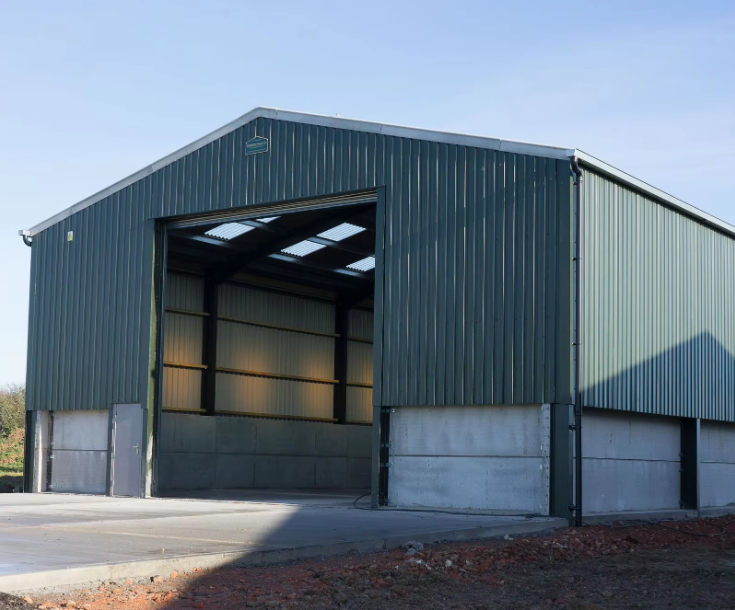
A prefab steel factory building in the Philippines must be planned around typhoon wind, heavy rain, humidity, seismic risk, limited site access, and fast-moving industrial schedules. The best steel frame for a plant in Clark or Laguna may not be the same as a coastal warehouse near Cebu, Batangas, Subic, or Davao. Buyers who only compare price per square meter can miss roof uplift, drainage capacity, coating life, anchor bolt accuracy, and the true installation schedule.
This guide is written for engineering procurement teams, factory owners, contractors, architects, industrial estate developers, and operations managers preparing a steel structure workshop or factory building in the Philippines. It covers structural design, wind and earthquake issues, roof and wall systems, anti-corrosion, installation planning, cost ranges, and the questions that should be answered before a supplier can issue a reliable quotation. For product options, see our steel workshop building page and our Philippines market page, Steel Structure Workshop Philippines.
Why steel factory buildings are common in Philippine industrial zones
Steel frame factory buildings are widely used for electronics assembly, automotive parts, food processing support, packaging, logistics, furniture production, agricultural processing, cold-chain support, and export manufacturing. Industrial areas around Metro Manila, Cavite, Laguna, Batangas, Clark, Subic, Cebu, Iloilo, Cagayan de Oro, and Davao often need fast construction, large column-free production floors, and future extension. A prefabricated steel frame can be fabricated off-site while foundations are prepared, then installed with bolted connections once the civil works are ready.
Compared with conventional reinforced concrete framing, steel can reduce structural dead load and shorten the site program. It also supports wide roof spans, crane runways, mezzanine platforms, and large service openings. The buyer must still plan carefully. Philippine weather can punish poor roof detailing. A missed flashing, undersized gutter, or weak fastener specification can become a leak during the first storm season. High humidity and salt air can also reduce coating life if the paint system is chosen only for a mild inland site.
Project types and local design priorities
- Manila and Laguna manufacturing plants: focus on tight sites, truck circulation, fire access, production flow, typhoon wind checks, and fast night or weekend logistics.
- Clark and Subic industrial buildings: focus on export logistics, clean architectural appearance, future expansion bays, and coordination with industrial estate guidelines.
- Cebu and Batangas coastal factories: focus on corrosion protection, roof drainage, fastener quality, wall panel coating, and ventilation in humid air.
- Davao and Mindanao warehouses: focus on seismic coordination, heavy rain, wide storage layouts, and reliable transport of fabricated members to the site.
- Food and packaging plants: focus on insulation, condensation control, washable interior surfaces, pest control at openings, and MEP support loads.
Structural design loads: wind, rain, seismic and service loading
The Philippines is a typhoon-prone and seismic country. A steel building quotation should always state the design code, basic wind speed, exposure category, importance factor, seismic data, roof live load, suspended load allowance, and any crane or mezzanine load. If a supplier does not ask the project location, door sizes, wall openings, and roof accessory loads, the price may not reflect the actual structure required.
Typhoon wind affects columns, rafters, bracing, purlins, wall girts, roof sheets, fasteners, anchors, and door frames. Roof uplift is often the controlling load for lightweight steel buildings. Edge and corner zones require special attention because suction can be higher than in the middle of the roof. Large roller doors, louvers, or open wall areas change internal pressure. If doors may be open during storms, the engineer should know this before design.
Seismic load affects bracing layout, frame stiffness, base plates, anchors, and foundation design. Many industrial buildings combine steel superstructures with concrete pedestals, slabs, pits, and equipment foundations. The interface between the steel supplier and local civil engineer must be clear. Rain load and drainage are also critical. Long roofs in high-rainfall areas need correct gutter sizing, downpipes, overflow paths, roof slope, and flashing details.
| Load or design issue | What Philippine buyers should confirm |
| Typhoon wind | Exact location, exposure, eave height, openings, roof slope, design code, and wind speed |
| Seismic action | Soil class, importance level, bracing type, base plate reactions, and local engineer review |
| Rainfall and drainage | Roof slope, gutter size, downpipe count, overflow route, valley details, and maintenance access |
| Roof service load | Solar panels, fans, ducts, ceilings, maintenance walkways, and fire system pipes |
| Production floor loads | Machine foundations, forklifts, racking, trenches, floor flatness, and crane loads |
Frame system, bay spacing and factory workflow
The typical prefab steel factory building uses a portal frame made from welded H-section columns and rafters. Secondary steel includes purlins, girts, bracing, tie rods, framed openings, and roof/wall support members. For large factories, a multi-span layout can reduce steel tonnage, while a clear-span building may be better for flexible production lines. Bay spacing often ranges from 6 m to 9 m, but the best dimension should follow the production plan, forklift route, truck loading, and future extension strategy.
Factory teams should mark every operational requirement on the layout before structural design starts. These include raw material receiving, finished goods dispatch, machine lines, QC rooms, staff access, compressor rooms, electrical rooms, loading docks, canopies, mezzanines, and fire exits. A steel supplier can frame openings economically if the information is available early. Late changes can require new beams, added columns, or field cutting that damages coating and delays installation.
If the building needs an overhead crane, provide lifting capacity, span, lifting height, duty class, runway length, hook approach, wheel loads, and control method. A 5-ton light-duty crane and a 20-ton process crane create very different column and runway requirements. Crane brackets should be included in the primary frame design, not added after fabrication.
Materials and specifications
Common supply options include Q355 main steel or equivalent yield-strength material, Q235 or equivalent secondary items where allowed, high-strength bolts, galvanized purlins, painted main frames, and color-coated roof and wall sheets. Some Philippine consultants request ASTM, JIS, EN, or local-equivalent documentation. The material certificate should show heat number, grade, chemical composition, mechanical properties, and mill test data.
For a factory building, the specification should define main frame steel grade, plate thickness, welding standard, bolt grade, anchor bolt grade, purlin thickness, cladding base metal thickness, coating mass or paint system, roof insulation, wall insulation, doors, windows, gutters, ridge vents, skylights, and accessories. Vague language such as “standard steel structure” is not enough for a serious B2B tender.
| Component | Common specification direction | Buyer check |
| Main frame | Welded H-section or hot-rolled sections, Q355 or approved equivalent | Confirm design code, steel grade, welding inspection, and splice details |
| Secondary frame | C/Z purlins and girts, often galvanized | Confirm thickness, spacing, lap length, and corrosion protection |
| Roof and wall | Single-skin metal sheet or sandwich panel | Confirm base metal thickness, coating, color, insulation, and screw pattern |
| Bolts and anchors | High-strength bolts and project-specific anchor bolts | Confirm bolt grade, quantities, washers, torque method, and templates |
| Accessories | Gutters, downpipes, flashing, vents, doors, skylights | Confirm rain capacity and storm details for Philippine sites |
Surface treatment for humid and coastal Philippine sites
Humidity is a serious issue in the Philippines. For inland industrial estates, blasted and painted main steel with galvanized secondary members can be suitable when properly specified. For coastal Cebu, Subic, Batangas, and port-adjacent projects, consider a heavier coating system, better fasteners, and careful cut-edge protection. If the building is open-sided or exposed to salt-laden air, the coating plan should be upgraded.
Surface preparation is as important as paint brand. Ask for blasting grade, primer type, number of coats, total dry film thickness, touch-up procedure, and storage instructions. During installation, scratches at lifting points and bolt areas should be repaired before cladding hides them. For food or clean production areas, interior paint, condensation control, and hygienic wall finishes may matter more than in simple storage buildings.
Roof, cladding, ventilation and water management
Many problems in tropical steel buildings are water-related. Roof slope, sheet length, side laps, end laps, flashing, gutter size, downpipe spacing, and screw washers must be selected for heavy rain and wind-driven water. Long roofs may need expansion details and safe maintenance routes. Where roof sheets are too thin or screw spacing is weak, typhoon winds can create costly damage.
Insulation and ventilation should reflect the building use. For general manufacturing, radiant heat and humidity may be handled by roof insulation, ridge vents, wall louvers, exhaust fans, and high-volume fans. For temperature-sensitive production, sandwich panels and mechanical cooling may be required. Skylights can reduce lighting cost, but they must be rated for wind, rain, UV exposure, and fire requirements.
Installation schedule and site coordination
A prefab steel factory building can be fast, but only if the foundation, anchor bolts, access road, crane plan, and material storage area are ready. In the Philippines, site access can be tight near Metro Manila and some industrial parks. Plan truck delivery, unloading sequence, and crane location before containers arrive. Members should be sorted by grid line and erection sequence, not piled randomly in the yard.
| Stage | Typical time range | Risk to manage |
| Concept quotation | 3–10 days | Incomplete load data, missing doors, no site location |
| Engineering and approval | 2–5 weeks | Consultant comments, code questions, late production layout changes |
| Fabrication | 4–8 weeks | Steel availability, welding, hole accuracy, coating cure time |
| Shipping to Philippines | 2–5 weeks depending on route | Container plan, port handling, customs documents, weather delays |
| Foundation and anchor bolts | Parallel with fabrication | Survey error, bolt template movement, pedestal height mismatch |
| Frame erection | 2–8 weeks by size | Crane access, rain, crew skill, bracing sequence |
| Cladding and accessories | 2–6 weeks | Panel storage, rain protection, screw pattern, leakage testing |
Our steel building installation timeline explains the sequence in more detail. The erection plan should start with stable braced bays, then rafters, purlins, alignment, final bolt tightening, roof panels, wall panels, gutters, doors, and trim. Do not install cladding before the frame is aligned and checked.
Budget ranges for Philippine factory buildings
Planning budgets vary by steel weight, typhoon wind requirement, seismic design, coating, insulation, crane system, shipping route, and local erection scope. The ranges below are only for early planning. A full quote needs drawings, loads, site data, and supply scope.
| Factory building type | Indicative steel package range | Main cost drivers |
| Simple uninsulated workshop | USD 50–90/m² in many cases | Span, wind speed, steel weight, sheet thickness, shipping |
| Insulated production building | USD 80–150/m² package range | Sandwich panels, ventilation, doors, flashing, waterproofing |
| Crane-equipped factory | USD 100–200/m² package range | Crane runway beams, heavier columns, brackets, alignment tolerance |
| Coastal corrosion-resistant building | Add 8–25% to coating/accessory budget | Paint system, galvanized items, stainless or coated fasteners |
| Turnkey building by local contractor | Site-specific | Foundation, slab, MEP, fire system, labor, permit, taxes |
For a deeper view of cost drivers, use our steel building cost guide. When requesting pricing, send a plan sketch, building dimensions, eave height, roof slope, site city, design code if known, door list, insulation needs, coating preference, crane data, and delivery term. You can send these details through Get a Custom Steel Structure Building Quote.
Local approvals and project documents
Philippine projects normally require a local professional team to handle permitting, foundations, site drainage, fire safety, utilities, and code approval. The overseas steel supplier should provide structural calculations, general arrangement drawings, shop drawings, material certificates, welding records, coating records, packing lists, and erection drawings. The local engineer of record must check the design against project code and local authority requirements.
Fire safety can affect wall layout, exits, compartmentation, hydrants, sprinklers, smoke vents, and access roads. Industrial estate guidelines may also control exterior color, setbacks, drainage discharge, and truck movement. Coordinate these requirements before the final shop drawing stage. Moving an exit door or louver after production can affect girts and wall panels.
Procurement checklist for contractors and owners
- Define the factory process layout before finalizing column grid and bay spacing.
- Confirm wind, seismic, rain, and roof accessory loads with the local engineer.
- Ask every bidder to state steel grade, design code, coating system, panel thickness, bolt grade, and included accessories.
- Request anchor bolt drawings early and use templates on site.
- Check whether doors, insulation, gutters, vents, skylights, louvers, and crane runway beams are included.
- Ask for QC documents, including material certificates, welding checks, coating DFT records, and packing photos.
- Use our steel structure quality control guide to review supplier documents before shipment.
Common buyer questions
What roof system is best for a Philippine steel factory?
For low-cost dry use, single-skin metal roofing with insulation underlay may work. For production areas, sandwich panels or thicker insulation are often better. The roof system must be checked for typhoon uplift, rain leakage, gutter capacity, and long-term maintenance.
Can a prefab steel factory resist typhoons?
Yes, if it is designed for the correct local wind speed, exposure, building height, openings, and importance level. The frame, purlins, cladding, fasteners, anchors, and doors must be designed together. A strong frame with weak roof fasteners is not a safe design.
How can we reduce corrosion near the coast?
Choose a coating system for the exposure level, use galvanized secondary members where suitable, specify better fasteners and washers, protect cut edges, and plan inspection and maintenance. Coastal projects should not use the lowest inland paint specification.
What information is needed for a firm quote?
Provide site location, dimensions, eave height, bay spacing, design loads, doors, crane data, insulation, coating, cladding type, drawings if available, and delivery scope. The clearer the brief, the easier it is to compare suppliers fairly.
Final procurement advice
For the Philippines, prioritize typhoon detailing, rain management, seismic coordination, corrosion protection, and installation planning. A low steel price is not useful if the roof leaks, anchors are wrong, or the coating fails near the coast. Select a supplier that can issue clear drawings, state the design basis, provide QC records, and support the local contractor during erection. To start a technical discussion, visit our Contact Us page or send project data through the quote form.
Useful external references include Association of Structural Engineers of the Philippines, Philippine Atmospheric, Geophysical and Astronomical Services Administration, and Department of Public Works and Highways.
Detailed specification example for a Philippine production hall
A practical specification for a Philippine prefab steel factory should describe the building as an operating production asset, not only as a roofed area. For example, a 60 m by 100 m factory in Cavite may need 8 m eave height, two 5-ton cranes in selected bays, a 12 m wide receiving canopy, insulated roof sheets, wall louvers, ridge vents, large roller doors, a mezzanine for offices, and framed openings for exhaust fans. If the supplier receives only the outside dimensions, the first price will not include many of these items.
Production teams should prepare a process sketch showing where raw materials enter, where finished goods leave, where forklifts turn, where machines sit, and where staff and visitors enter. This helps the engineer place columns, bracing, doors, and service supports without blocking operations. Bracing bays are often forgotten in early layouts. If wall bracing lands where a roller door is needed, the structure must be redesigned or the door must move. Early coordination is cheaper than field changes.
| Factory requirement | Why it affects steel design |
| Machine layout | May require pits, local foundations, roof service loads, or vibration separation |
| Crane coverage | Changes column size, runway beams, brackets, lateral force, and hook height |
| Ventilation path | Requires wall openings, roof vents, fan supports, and rain protection details |
| Fire exits | Affects framed openings, personnel doors, travel distance, and wall girts |
| Future expansion | Changes end-wall framing, foundations, and cladding removal method |
Typhoon detailing that should not be treated as optional
In the Philippines, the roof and wall envelope are part of the structural risk picture. Buyers should ask how roof sheets are fixed at edge zones, corner zones, ridges, and eaves. Screw spacing may need to be closer in high-suction areas. Fastener quality, washer material, and sheet thickness matter because the wind does not fail only the main frame. It can peel sheets, damage gutters, loosen ridge caps, and bend door frames if the envelope is under-specified.
Large doors deserve special attention. A roller shutter should be selected for the project wind pressure and opening size. Door frames should transfer loads into the steel structure without weak field brackets. Louvers and vents should include rain baffles or hoods where needed. Canopies should be designed for uplift and drainage, not added as light accessories after the main building is completed.
Drainage is also part of typhoon performance. Oversized gutters, enough downpipes, overflow routes, and protected eaves reduce water entry. If a building has a long roof draining to one side, the gutter support and water volume must be reviewed. Downpipes should discharge away from foundations and truck areas. These details are small compared with the main frame cost, but they decide whether the building stays dry in service.
Factory acceptance and shipment checks
Before shipping to Manila, Cebu, Davao, Subic, or Batangas, ask the supplier for a pre-shipment package. It should include the final packing list, member marks, container loading plan, bolt list, spare bolt quantity, paint repair kit, material certificates, welding records, and coating dry film thickness records. Photos should show main frames, purlins, bolts, panels, doors, gutters, and accessories before loading. The goal is to find missing items before the vessel leaves, not when the erection crew is waiting on site.
For longer members, check splice locations and container loading limits. If rafters are split into too many short pieces, installation labor increases. If they are too long for the chosen transport route, shipping cost or inland delivery problems may rise. The best design balances fabrication, container loading, lifting weight, and site assembly speed. For island projects, port handling and local trucking should be discussed early because replacement parts may take weeks to arrive.
Operational handover after erection
After installation, the owner should receive as-built drawings, bolt tightening records where required, coating touch-up records, roof leakage inspection notes, door operation checks, and maintenance instructions. A steel factory building needs periodic inspection. Check gutters before rainy season, inspect screws and washers, repair scratches, clean coastal salt deposits where practical, and keep drainage paths open. Planned maintenance is much cheaper than repairing a corroded panel edge or water-damaged production area.
Frequently Asked Questions
What do Philippines buyers need to check for a prefab steel factory building?
Buyers should confirm typhoon wind design, seismic requirements, span, clear height, process layout, roof slope, drainage, ventilation, insulation, cladding thickness, equipment loads, delivery port and local permit coordination.
How can a factory project in Manila, Clark, Cebu or Davao manage installation risk?
Prepare foundations before shipment arrival, assign a qualified erection team, check anchor bolt positions, follow member marks, protect panels during handling, and coordinate crane access, weather windows and safety procedures.
Should a Philippines steel factory use insulation and ventilation together?
Usually yes. Insulation reduces heat transfer while ridge vents, wall louvers, exhaust fans or skylight planning help remove hot air, fumes and humidity created by production activities.
Can a prefab factory building support overhead cranes?
It can if crane capacity, span, hook height, runway length, wheel load and operating frequency are included before design. Adding cranes after fabrication may require structural redesign and additional bracing.
How should Philippines buyers compare quotations from different suppliers?
Compare the same wind load, seismic criteria, steel grade, paint system, panel specification, bolt standard, drawings, packing method, delivery terms, installation support and excluded local works rather than only comparing the total price.