
Steel Warehouse Roofing Systems: Cladding Options and Insulation for Export Projects

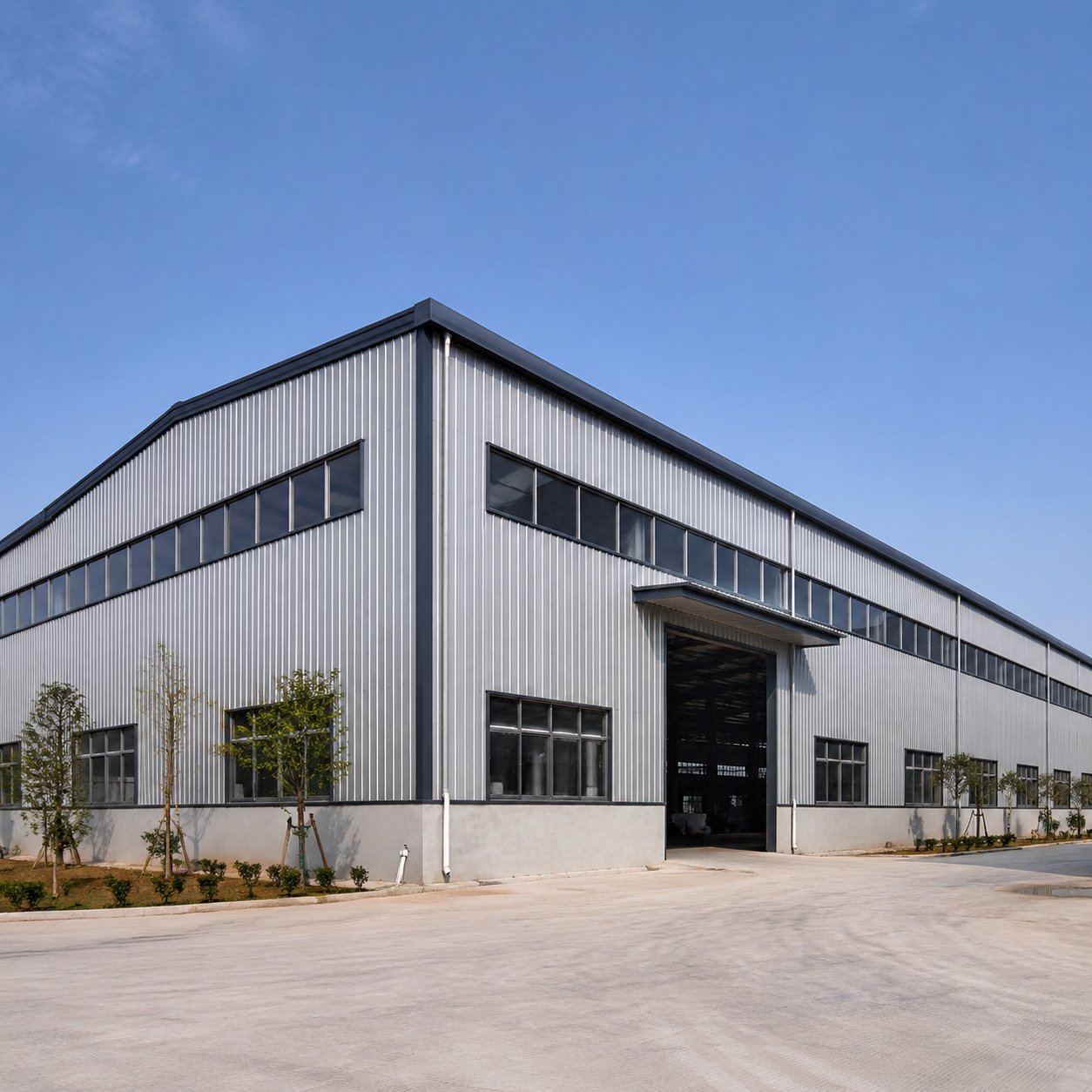
The roof and wall cladding of a steel warehouse do far more than keep the weather out: they control thermal performance, condensation, natural light, and the long-term durability of the building. For buyers planning a prefabricated steel building, the roofing and cladding specification affects cost, energy efficiency, and the building’s suitability for its intended use. This guide covers the main options and the decisions behind them.
Metal Roof Profiles
Roof cladding is supplied in profiled steel sheets, and the profile affects strength, span, and appearance:
- Trapezoidal profiles: the standard choice for warehouse roofs, available in 25-50 mm depths
- Corrugated profiles: classic look, widely available, simple installation
- Standing seam systems: concealed fixings, best for low-pitch roofs and high weather resistance
- Composite panels: insulated panels with a foam or mineral wool core, used where insulation matters
The choice depends on the building span, the local climate, and whether the roof needs insulation. Composite panels combine structure and insulation in one product and are increasingly common in export projects.
Wall Cladding Options
- Single-skin profiled sheets: economical, for unheated buildings and simple storage
- Insulated sandwich panels: excellent thermal performance, fast installation, modern appearance
- Standing seam wall systems: clean architectural lines for offices and entrances
- Composite wall panels with architectural finishes: premium look for commercial projects
Insulation Systems
For buildings that need temperature control, insulation is specified by thermal transmittance (U-value), which depends on climate and the building’s use:
- Mineral wool: fire-resistant, good acoustic performance, higher cost
- Polyurethane and PIR foam: high insulation value at lower thickness
- Glass wool: economical, widely used in less demanding applications
- Vapour barriers: essential in humid climates to prevent condensation inside the building
Buyers should specify the required U-value rather than a thickness, and the factory will design the panel build-up to meet it for the project’s location.
Condensation Control
Condensation is one of the most common problems in steel buildings, especially in climates with high humidity or large temperature swings. Prevention measures include:
- Vapour barriers on the warm side of the insulation
- Anti-condensation fleece on single-skin sheets
- Ventilation openings and ridge vents to remove moist air
- Good sealing of joints and penetrations
Natural Lighting and Ventilation
Warehouses benefit from controlled natural light and ventilation:
- Translucent roof sheets or skylights reduce lighting energy costs
- Ridge ventilation and wall louvres improve air quality in occupied spaces
- Natural ventilation reduces the need for mechanical systems in many climates
Cladding Specification Checklist
- Steel grade and coating: typically G550 steel with galvanised or Colorbond-type coating
- Profile depth and sheet thickness
- Colour selection and finish system
- Insulation type and target U-value
- Condensation control measures
- Fastener and sealing systems with warranty
- Wind load rating for the project location
Frequently Asked Questions
What is the best roof profile for a warehouse?
Trapezoidal profiles are the standard for cost-effective warehouse roofs. For low-pitch roofs or premium projects, standing seam systems offer better weather resistance.
Do I need insulated panels for a warehouse?
If the building will be heated, cooled, or occupied, yes. If it is simple cold storage of robust goods, single-skin cladding may be sufficient and cheaper.
How is the cladding warranty handled for export projects?
Reputable suppliers provide coating warranties of 10-15 years and structural warranties for the frame. Confirm the warranty terms and claims process before ordering.
For steel warehouse roofing and cladding quotes with insulation design, contact the factory with your building dimensions, location, and requirements.