Steel Building Manufacturer: Checking Export Experience with Documents and Reference Projects


A steel building manufacturer’s export experience is a claim until you see the documents. The practical way to check it is to ask for evidence that only a real exporter can produce: past bills of lading, mill certificates tied to shipped orders, customs records, and reference projects you can verify from the other side. This guide shows which documents to request, what each one proves, and how to test reference projects without taking the supplier’s word for it.
Why export experience matters
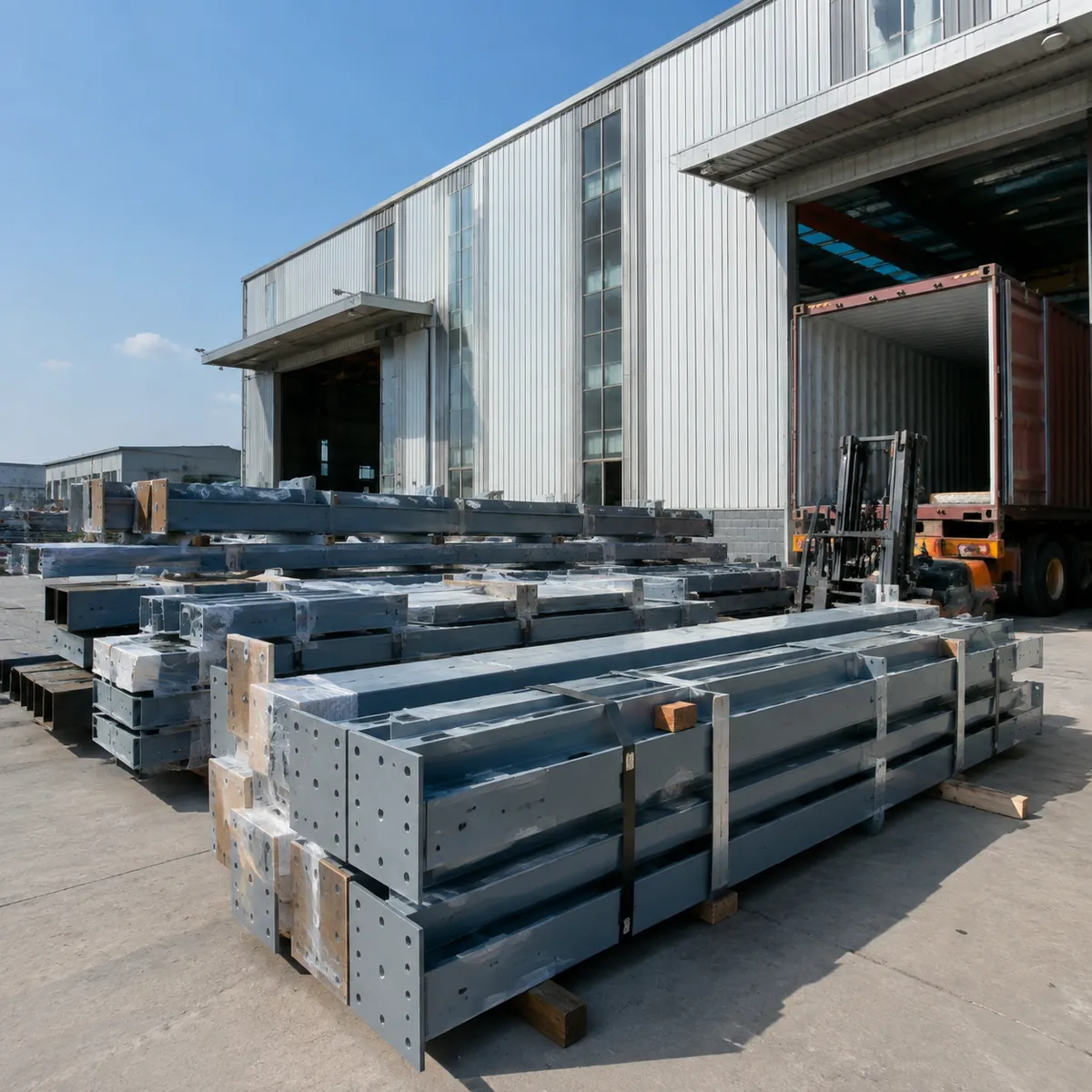
Exporting steel buildings is different from selling domestically. The factory has to manage sea-worthy packing, container and breakbulk loading, export documentation, inspection points, and the follow-up when a client’s erector finds a missing bolt at the other end of the ocean. A factory with a track record of shipments to your region has already solved the problems your project will meet; a first-time exporter may solve them for the first time on your order. That is the risk you are checking.
Experience alone does not guarantee quality, so pair this check with the mill test certificate guide and the factory capacity checks in our quotation information guide before you compare prices.
Can a trading company pass this document check?
Usually not cleanly. A trading company may share the factory’s documents, but the names on the invoice, mill certs and bill of lading should then match the actual factory. If the documents consistently carry a different company than the one you are talking to, ask who the contracting party is.
The documents that prove export history
Ask for a sample document set from a recent order. A genuine exporter can share redacted copies quickly; a trading desk usually cannot produce its own mill certs or bills of lading because the documents belong to the actual factory. The table below shows what each document proves and what to check in it.
| Document | What it proves | What to check |
|---|---|---|
| Bill of lading | Actual shipment, route, consignee | Port pair matches their claimed markets |
| Mill test certificates | Steel traceability to the mill | Your required grade appears on recent orders |
| Commercial invoice / packing list | Real transaction details | Product description matches steel buildings |
| Certificate of origin | Export origin for customs | Consistent with the factory location |
| Customs / export records (summary) | Volume and continuity of exports | Regular shipments, not a single one-off |
Treat redacted documents as normal for confidentiality, but the redaction should not hide the ports, the product description or the steel grade. If the supplier cannot produce even a redacted set, ask yourself why.
Reference projects: how to ask and what to verify
Reference projects are only useful if you can verify them. Ask for the building type, size, destination and year, then check what you can: does the project appear on the factory’s website or social channels, can the supplier share photos of the completed building, and is the client’s sector consistent with the claim. For projects in your region, ask whether the client would accept a brief reference call or email — some will, and a real exporter usually has at least one client who will vouch for them.
A useful test is to ask for the packing list and load plan of a completed order. Real exporters can produce these because they live in the production files; the specificity of the answer tells you more than the brochure.
Red flags in export claims
Watch for a few patterns. Vague answers to document requests, or a salesperson who changes the subject when you ask for a bill of lading, is the biggest one. Inconsistent details — different factory names on the website, the invoice and the export records — are a second signal. A third is reference projects that cannot produce a single photo or document. None of these proves fraud, but together they mean the check is not done.
When you are ready to move forward, our guide to what a factory needs for an accurate quote explains the site, drawing and loading information to prepare next.
Should I ask for a factory video walk-through?
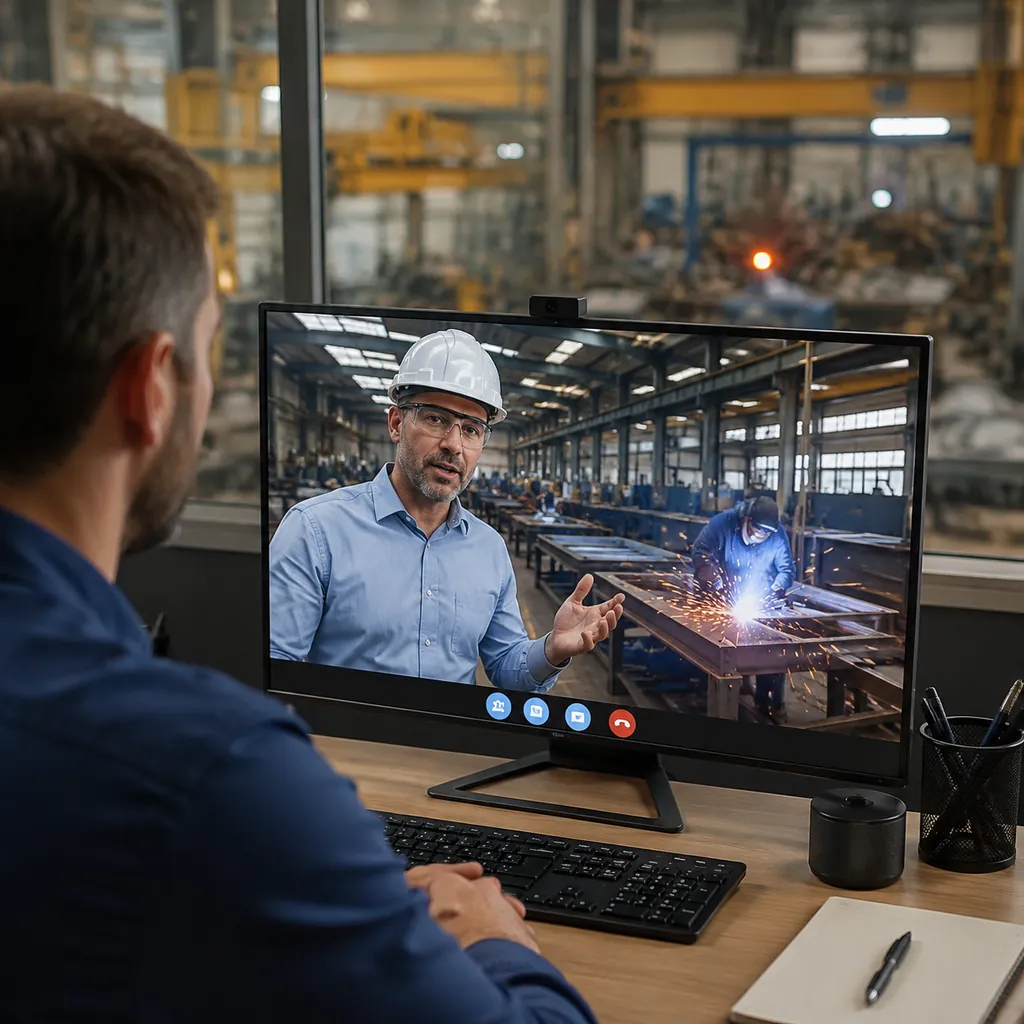
Yes, and it is now standard practice. A live video call through the workshop shows the equipment, the work-in-progress and the packing area in one shot. It is not proof of export experience, but it complements the document check.
FAQ
What documents prove a steel building manufacturer exports?
Bills of lading, mill test certificates, commercial invoices, packing lists, certificates of origin and, where available, customs or export records. A genuine exporter can share redacted copies of a recent order set quickly.
How do I verify a steel building reference project?
Check the building type, size, destination and year, then look for the project on the factory’s channels, ask for completed-building photos, and where possible contact the client. The packing list and load plan of a completed order are also strong evidence.
Is a video walk-through of the factory useful?
Yes. A live walk-through shows the workshop, equipment and packing area as they are now. It does not prove export history, so combine it with the document check rather than replacing it.
What are the red flags in an exporter’s claims?
Vague responses to document requests, inconsistent company names across documents, and reference projects without any verifiable detail. None alone proves a problem, but together they mean the check is not complete.
Should I ask for export records to my own region?
It helps. Shipments to your region mean the factory has already handled your customs documentation patterns and packing requirements. If they have none, ask how they will handle the first shipment and who prepares the documents.
Shortlisting steel building manufacturers for your project? Send us your building spec and destination port, and we will confirm the document package, export records and reference details you can verify before you commit.