Factory Direct vs Trading Company for Steel Buildings: MOQ, Payment Terms and After-Sales Compared

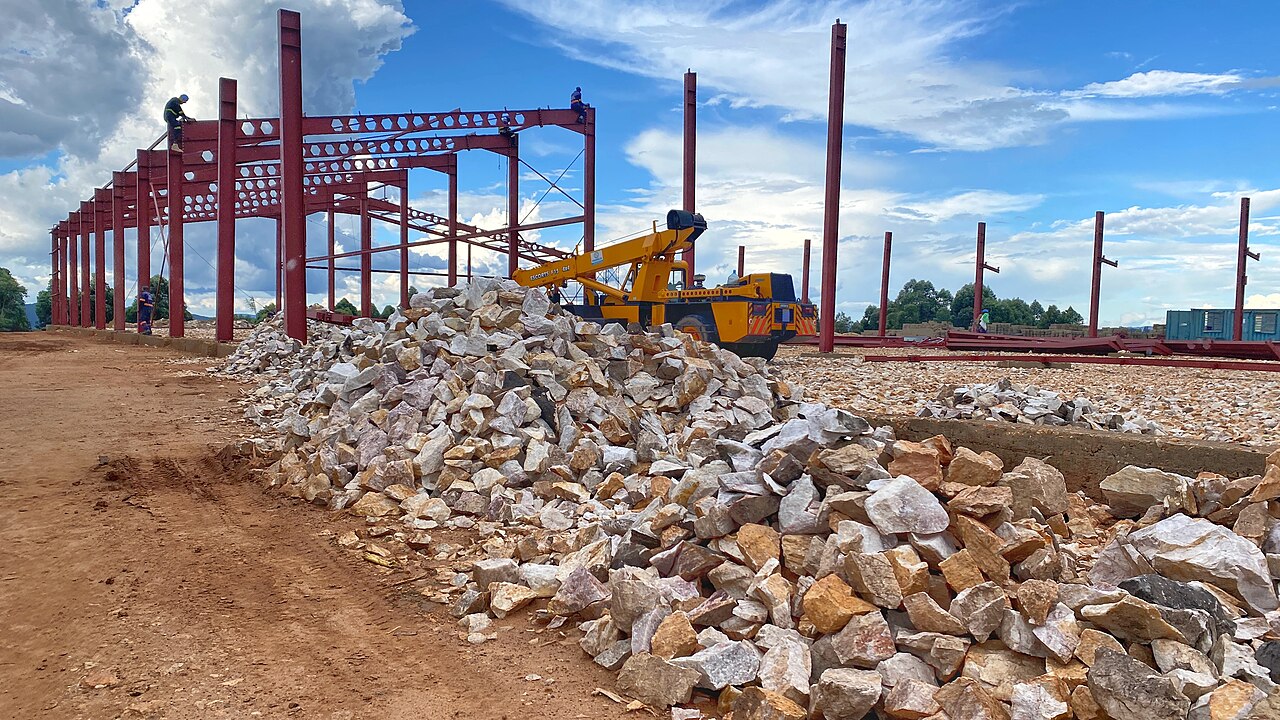
The short answer: a factory direct quote usually means lower unit price, a stricter MOQ and direct engineering support, while a trading company quote may offer smaller order sizes and more payment flexibility but adds a margin and a layer between you and the workshop. Neither is automatically better; the right choice depends on your order size, your payment comfort and how much revision support you expect after the contract is signed.
What factory direct and trading quotes actually differ on
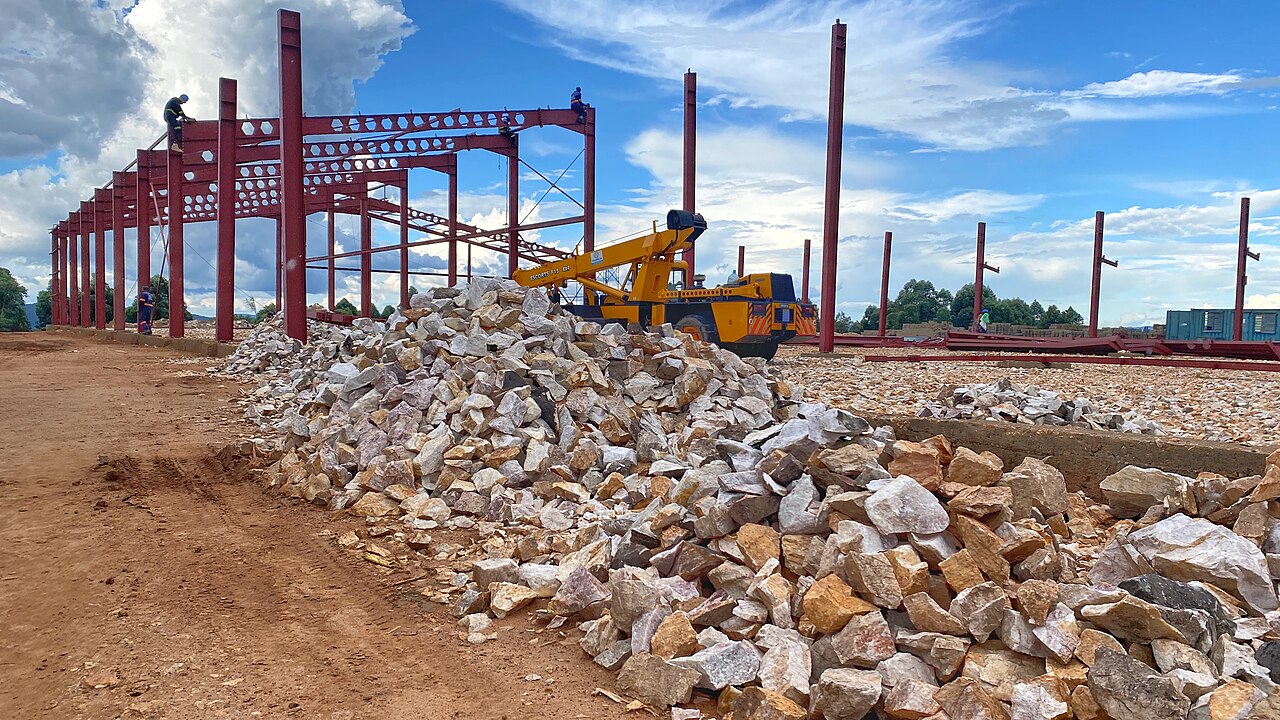
(‘When you compare quotes for the same prefab steel building, three fields move the most: MOQ, payment terms and revision handling. A factory direct supplier usually works from a minimum order that covers one full building or a set tonnage, because the workshop releases steel cutting in batches. A trading company can often bundle smaller orders from several buyers, which is why it can accept a single warehouse or a small extension that a factory would not quote on its own.’, ‘Payment terms follow the same logic. Factories typically ask for a 30 percent deposit and the balance against the bill of lading or before shipment. Trading companies may offer split payments or accept a letter of credit more readily because they absorb the currency and documentation work. What looks like flexibility can also mean an extra margin somewhere in the price, so compare the total landed cost, not the unit price alone.’, ‘Revision handling is where the difference becomes visible after signing. A factory has its own engineers, so drawing revisions go straight to the people who will fabricate the members. A trading company forwards your revision to the factory and relays the answer, which adds days to every round. If your project is likely to change after the quote, factory direct usually shortens each revision cycle.’)
A side-by-side comparison table
| Aspect | Factory direct | Trading company |
|---|---|---|
| MOQ | Usually one full building or a tonnage-based minimum | Can often accept smaller or partial orders |
| Unit price | Typically lower (no middle margin) | Higher by the trader’s margin |
| Payment terms | Deposit + balance before shipment is common | More flexible; L/C and split payment more common |
| Drawings and revisions | Direct with factory engineers | Relayed through the trader |
| QC access | You can audit the workshop directly | Inspection arranged through the trader |
| After-sales | Warranty handled by the manufacturer | Depends on the trader’s relationship with the factory |
How to check which type you are actually talking to
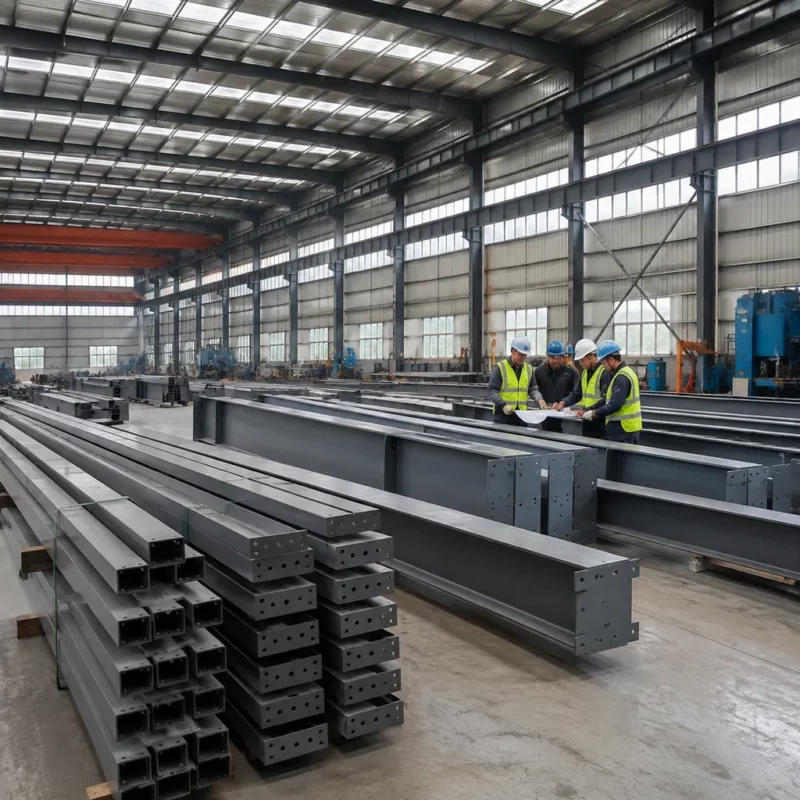
(‘Ask for the factory name, the workshop address and a current production photo or video. A genuine factory can usually provide a street-level address and will not hesitate to arrange a live video walkthrough. Then check whether the same company appears on export records for the product category you are buying.’, ‘Also compare how the quote is written. Factory quotes often list steel grade, section sizes and coating specs in engineering language because the sales team sits next to the engineers. Trading quotes may be cleaner for a buyer but can skip details that matter at fabrication time, such as which code the structural calculation follows.’)
When factory direct makes sense and when a trader helps
(‘Factory direct fits buyers with a defined project: a warehouse, a workshop or a multi-bay building with known dimensions. You benefit from direct engineering, direct QC and a lower price per ton.’, ‘A trading company can make sense when you need one-stop consolidation, very small quantities, or when you are testing a market and do not want to commit to a full building yet. Just confirm who holds the liability if the steel is late or the drawings are wrong. The party you sign the contract with is the party you can claim against.’)
What to confirm before you sign
- The exact scope: what is included in the price (frames, purlins, cladding, bolts, anchor bolts, drawings)
- The steel grade and the design code used for the structural calculation
- The revision allowance: how many drawing rounds are included and what a change costs
- The payment schedule and which documents trigger each payment
- The delivery term (FOB, CIF, DDP) and who arranges freight and insurance
- The warranty scope and the contact for after-sales claims
FAQ
Q: Is factory direct always cheaper than a trading company?
A: Usually on unit price, but compare total landed cost. A factory quote may exclude services a trader bundles, such as small-order consolidation, documentation handling or flexible payment. Factor those in before concluding which is cheaper.
Q: Can a trading company provide the same drawings and engineering support as a factory?
A: It can relay them, but the engineering capacity belongs to the factory. Direct communication with the factory’s engineers usually means faster revisions and fewer misunderstandings, especially for custom steel buildings.
Q: What MOQ do steel building factories usually set?
A: Many factories quote from a minimum that covers one building or a set tonnage, because production runs in steel-cutting batches. Confirm the exact MOQ in writing, since it can change when you modify the design.
Q: Who is responsible if the building arrives with a quality problem?
A: The party you signed the contract with. With factory direct, that is the manufacturer. With a trading company, confirm in the contract that the trader carries liability for the goods it sells, and keep the inspection reports and photos at every stage.
Send your building dimensions and location to a steel building factory and get a direct quote with the MOQ, payment terms and revision policy in writing.