Steel Structure Export Documents: The Consistency Checks Between PI, Invoice, Packing List and Bill of Lading

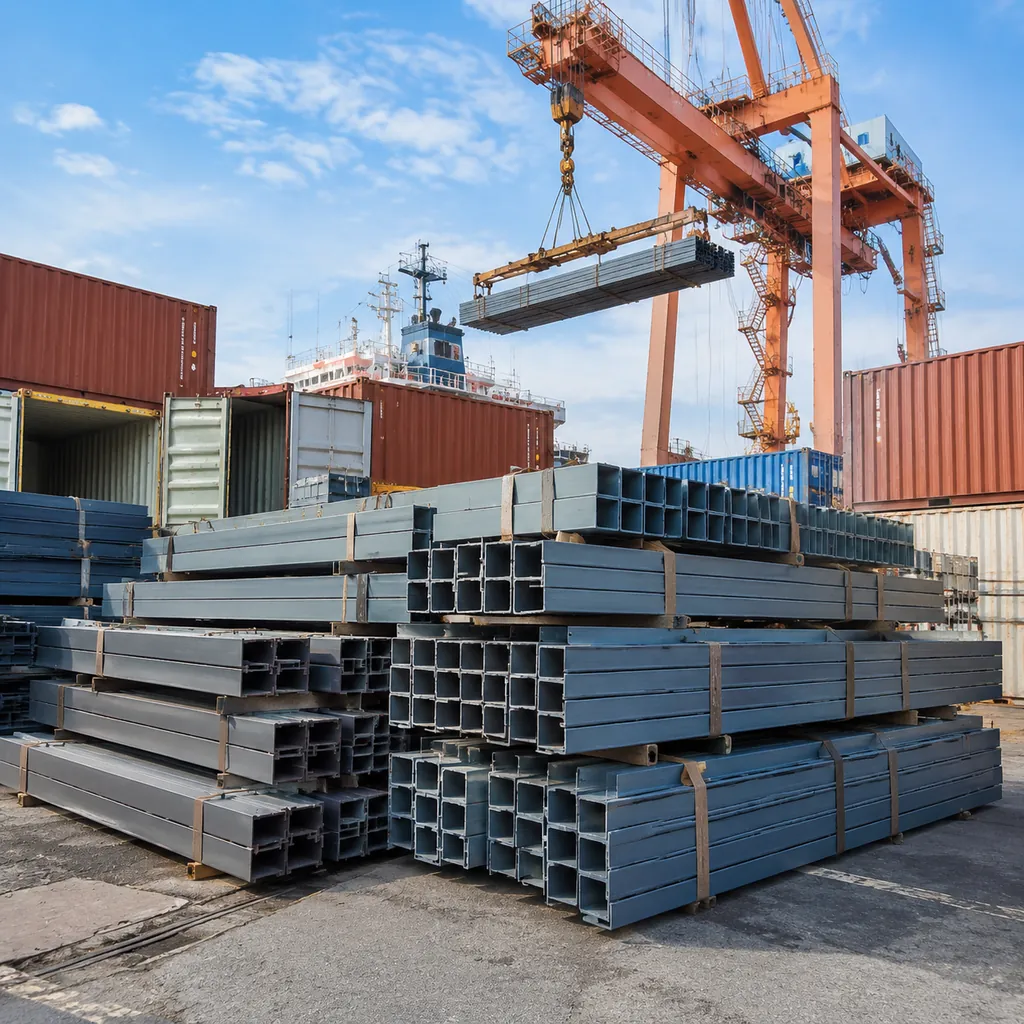
The short answer: a steel structure supplier should provide seven documents — proforma invoice, commercial invoice, packing list, bill of lading, certificate of origin, and depending on the destination, a material certificate and insurance certificate. The documents alone are not enough: what keeps a shipment moving is that they agree with each other, because customs and banks compare them line by line.
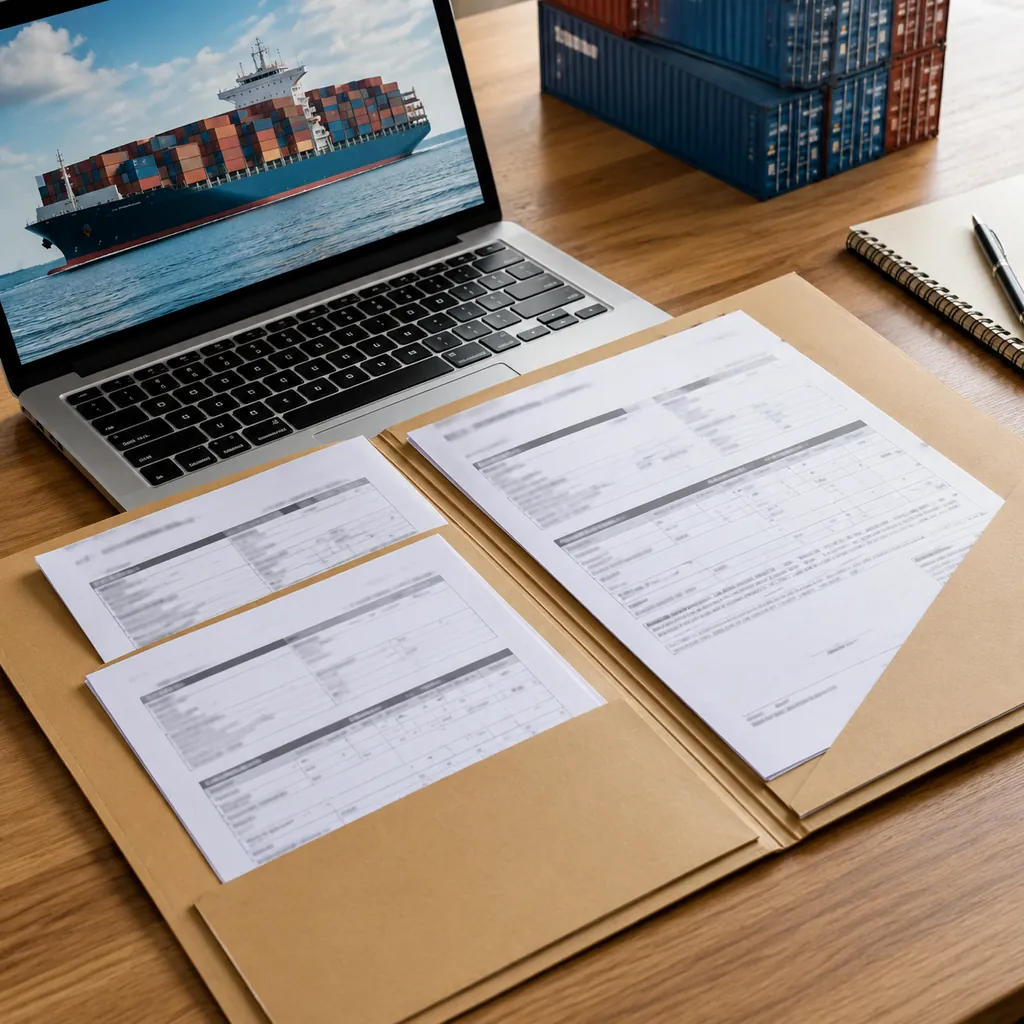
Why export documents matter for steel buildings
Steel structures are high-value, heavy cargo with a long fabrication cycle. The documentation trail is what lets you release payment, clear customs and prove what was shipped. Missing or inconsistent paperwork is one of the most common reasons containers sit at the port while demurrage charges accumulate.
The best way to manage this is to list the documents you expect at each milestone before you sign the contract, not after the cargo is on the water.
The seven documents and when you receive them
1. Proforma invoice (before payment)
The proforma is the quotation document. It lists the building scope, unit prices, total value, incoterm and payment terms. For letter of credit transactions it often forms the basis of the L/C, so check that the description matches your order exactly.
2. Commercial invoice (at shipment)
The commercial invoice is the final invoice issued for the shipped goods. Customs and banks use it to value the cargo. It should match the proforma in product description and add the actual shipped quantities.
3. Packing list (at shipment)
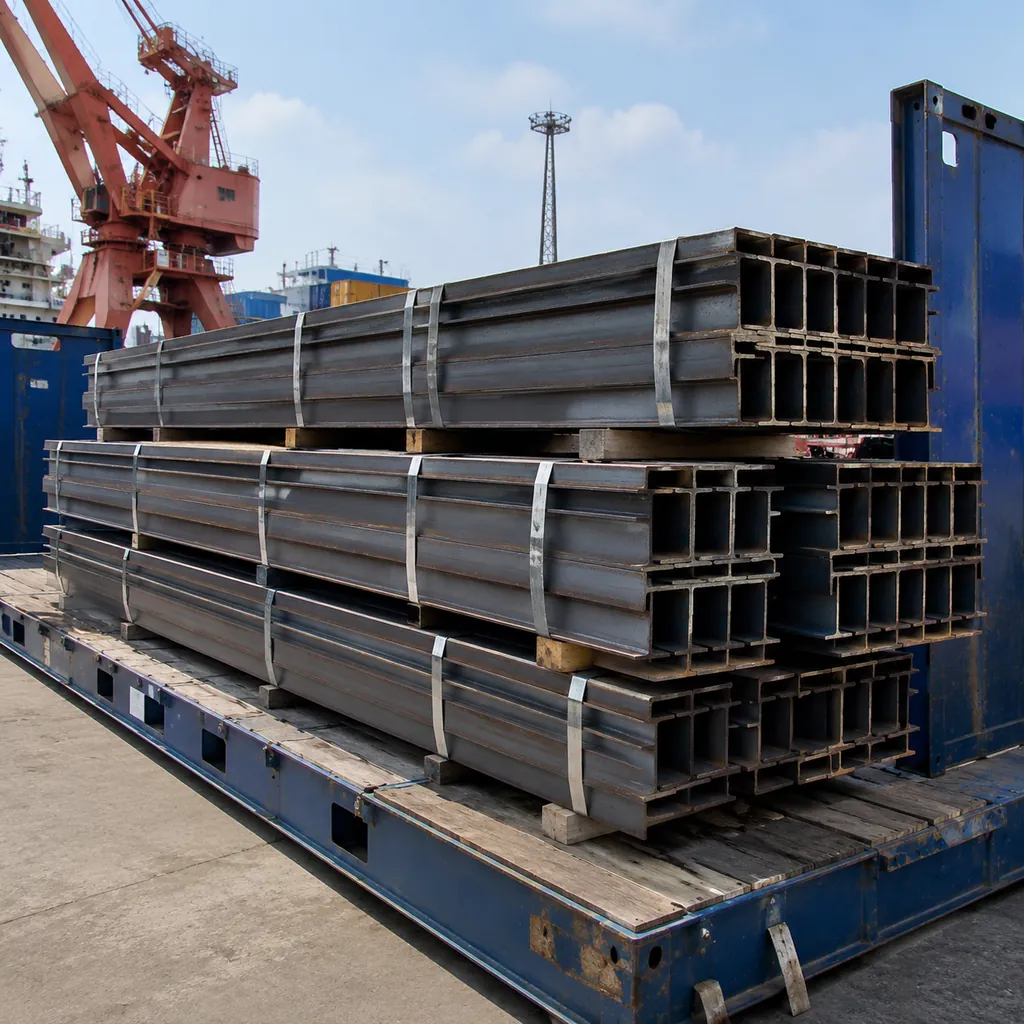
The packing list details what is in each package or container: member marks, bundle numbers, weights and dimensions. Your customs broker uses it to build the customs declaration, and your site team uses it to find members during erection.
4. Bill of lading (after loading)
The bill of lading is the shipping document that proves the cargo was loaded and acts as the title document. Check the consignee, notify party, port of discharge, number of packages and gross weight before accepting it.
5. Certificate of origin (at shipment or after)
Depending on the destination country, a certificate of origin may be required for customs clearance or to claim preferential duty rates. Confirm with your broker whether the destination accepts a supplier-declared certificate or needs a chamber-issued one.
6. Material certificates (with or before shipment)
Steel grades are usually supported by mill certificates (MTC) from the steel mill. Buyers with structural requirements often ask for these to verify the grade, thickness and chemical composition of the steel used.
7. Insurance certificate (after shipment)
If the contract is CFR or CIF, the supplier arranges insurance and provides the certificate. If you buy FOB or EXW, insurance is your responsibility — arrange it before loading, not after.
Document consistency checklist
- Same buyer and supplier names across all documents
- Same building description in proforma, commercial invoice and packing list
- Packing list total weight and volume match the bill of lading
- Incoterm and port names match the contract
- Container numbers and seal numbers appear on the bill of lading
The most common consistency failures
The most common failures are a commercial invoice that does not match the proforma, a packing list that does not match the physical marks, and a bill of lading with a different package count than the packing list. Each one triggers a query at customs or the bank, and each query costs time. All of them are avoidable if the document schedule and the checking responsibility are agreed in writing at contract stage.
FAQ
Q: Which export documents does a steel structure supplier always provide?
A: The standard set is proforma invoice, commercial invoice, packing list and bill of lading. Certificate of origin, material certificates and insurance certificate are added depending on the incoterm and destination requirements.
Q: Do I need a certificate of origin for a steel building shipment?
A:Usually yes for many destinations, either for clearance or for preferential duty treatment. Confirm with your customs broker whether the destination accepts a supplier-declared certificate of origin or requires a chamber-issued one.
Q: What is a mill certificate and do I need one?
A:A mill certificate (MTC) is issued by the steel mill and states the grade, heat number, chemical composition and mechanical properties of the steel. It is usually required for structural steel projects where the engineer needs to verify the grade.
Q: Can the bill of lading be issued after the ship sails?
A:Yes, the bill of lading is normally issued after loading, sometimes a day or two after sailing. What matters is that it reflects the loaded cargo correctly and reaches you in time for customs clearance at the destination.
Q: Who prepares the customs declaration — the supplier or the importer?
A:Usually the importer’s customs broker prepares the declaration using the commercial invoice, packing list and bill of lading supplied by the exporter. The supplier’s job is to deliver those documents on time and accurately.
Before your container ships, agree on the full document schedule in writing: what you receive, when, and in what format. A supplier that manages documents well is usually a supplier that manages fabrication well. Ask our team about the export documentation package for your steel building.