
Steel Structure Fabrication Service: Scope, Lead Times and Quality Gates

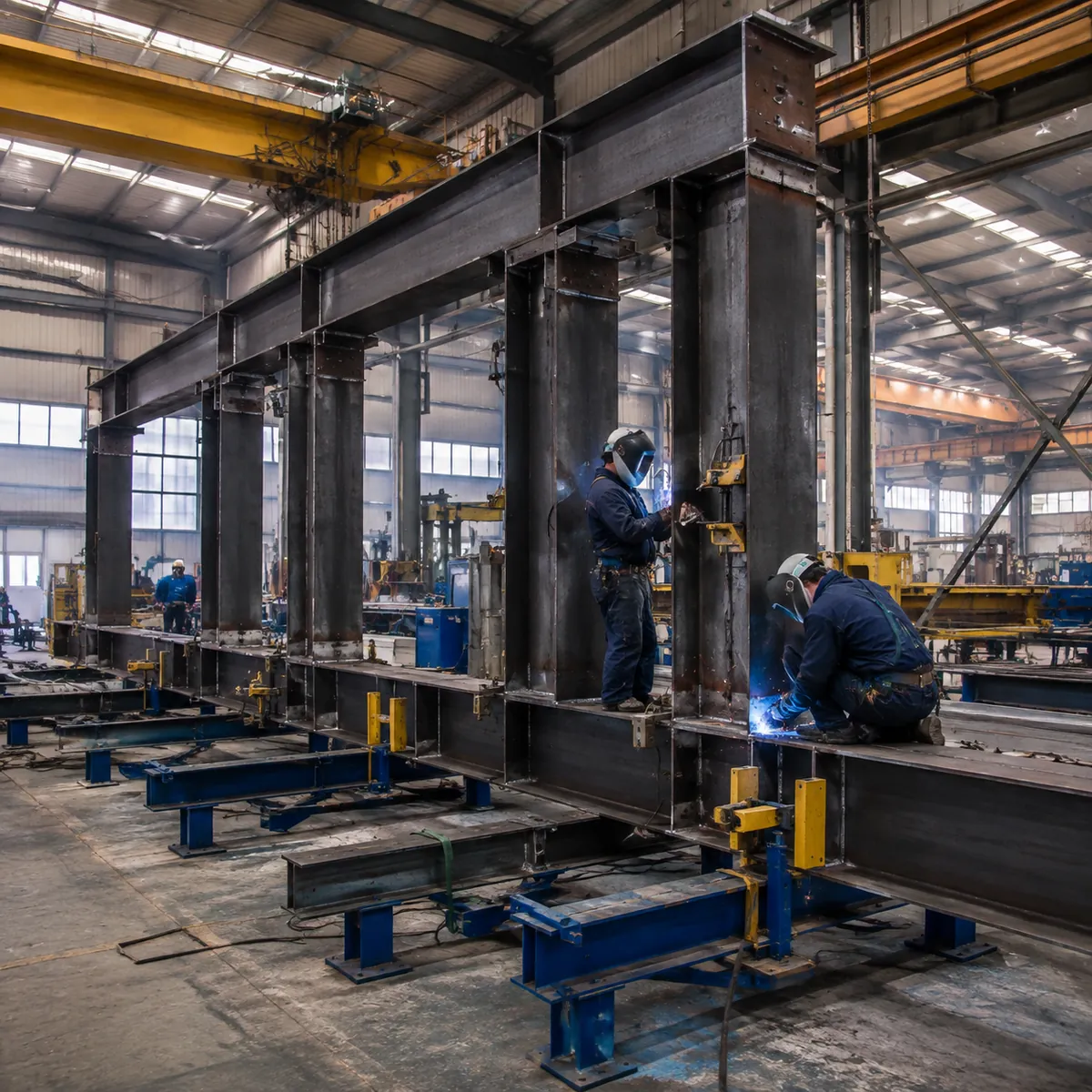
When you buy a steel structure fabrication service, you are not buying “steel” — you are buying a defined production process: drawing approval, material purchasing, cutting, welding, surface preparation, coating, and packing, each with its own quality gate. Understanding that process is what lets you check the supplier’s schedule, ask the right questions during production, and avoid surprises at the port. This guide walks through the scope, the lead-time drivers, and the inspection points that matter in an export order.
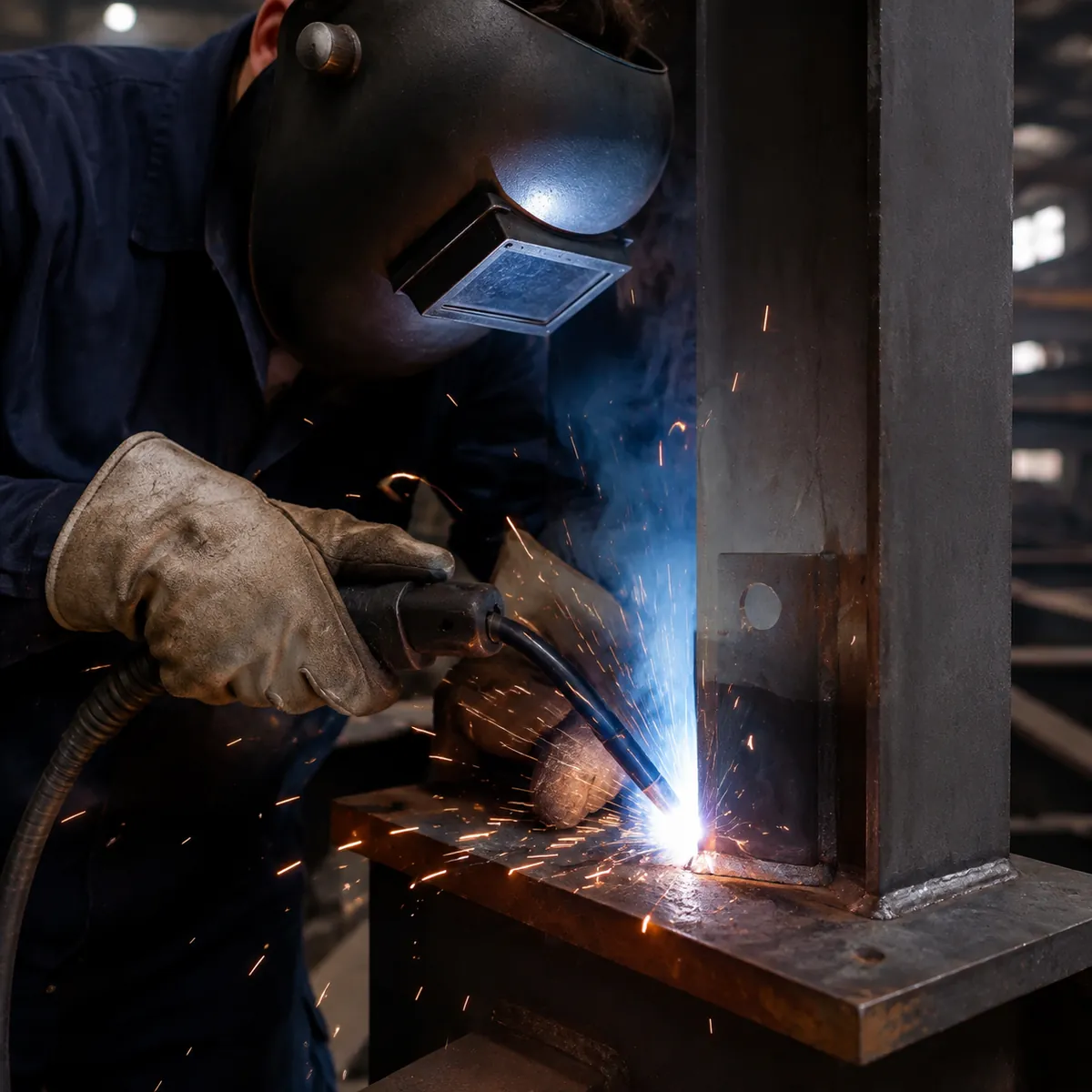
What a Steel Structure Fabrication Service Includes
A fabrication service covers the conversion of approved drawings into finished, coated, packed steel components. The typical scope:
- Drawing review and shop drawing preparation for the workshop.
- Material procurement to the specified steel grades, with mill certificates.
- Cutting, drilling, fitting and welding of members.
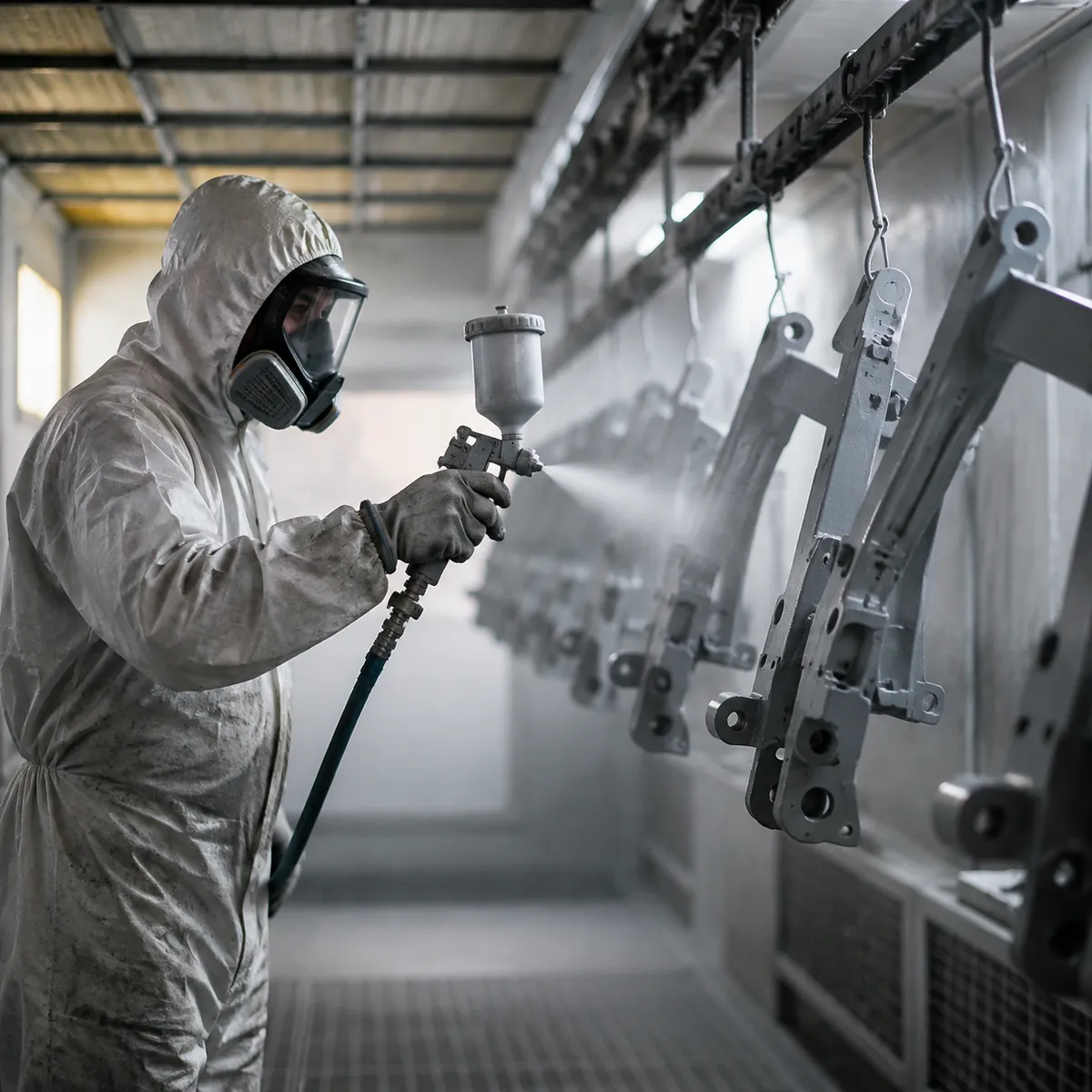
- Surface preparation (blasting) and coating to the specified paint or galvanizing system.
- Marking, packing and loading according to the packing list.
The scope boundary matters: most fabrication contracts are ex-works or FOB, meaning freight, insurance and site work are separate. Confirm where the supplier’s responsibility ends, because “fabrication service” means different things to different suppliers.
Lead Times: What Moves the Fabrication Schedule
The fabrication schedule is driven by four things:
- Drawing approval: every day the drawings sit unapproved is a day the shop cannot start.
- Material availability: standard sections and plates arrive faster than special grades or long lengths.
- Shop load: a busy workshop schedules your order around existing jobs.
- Inspection and coating: quality gates add days, and coating needs curing time before packing.
The practical consequence: the fastest way to shorten a lead time is to approve drawings quickly and confirm material availability early. A milestone schedule with dates for each gate is the right thing to ask for in the contract.
Can I inspect the steel during fabrication?
Usually yes. Most export fabrication contracts allow the buyer or a third-party inspector to visit during production, and reputable suppliers welcome it. Agree the inspection points in advance — before coating is applied is the most useful time — and put the right to inspect in the contract.
Quality Gates in a Standard Fabrication Flow
Each stage of fabrication has a natural check. The table below shows what is verified at each gate and what the buyer can do about it:
| Stage | What is checked | Buyer’s action |
|---|---|---|
| Drawing approval | Dimensions, loads, connections match the design | Approve in writing, keep a record |
| Material receiving | Mill certificates match the specified grade | Request certificates before cutting |
| Cutting and fitting | Dimensions and fit-up accuracy | Spot-check early samples |
| Welding | Weld quality, procedure, welder qualifications | Ask for weld inspection records |
| Surface and coating | Blast cleanliness, film thickness, curing | Inspect before coating is covered |
| Packing | Marking, protection, packing list accuracy | Verify the packing list before loading |
For a complete pre-shipment inspection checklist, see our steel building quality inspection guide.
How Fabrication Scope Affects Price
The fabrication price scales with the amount of work per ton: complex connections, more welds, heavier coating systems and tighter tolerances all add labor. A simple frame with standard sections and basic paint is at one end; a building with moment connections, galvanizing, and strict surface requirements is at the other. Comparing quotes by “price per ton” only works when the fabrication detail and coating spec are the same — ask for the breakdown.
What is the difference between fabrication and erection?
Fabrication is the manufacturing of the steel components in the workshop; erection is the assembly of those components on site with cranes and crews. They are different contracts with different risks, and a fabrication supplier does not automatically provide erection support. Confirm who supplies the erection drawings and whether a supervisor is included.
What to Include in a Fabrication Contract
A fabrication contract should do more than state the price and delivery date. The details that prevent disputes are the scope boundary, the drawing approval procedure, the material grades and certificates, the coating specification, the inspection rights, and the packing and marking standard. Each of these converts a verbal understanding into a checkable obligation.
Two clauses deserve special attention in export orders. The first is the change-order rule: who approves drawing revisions, how long approval takes, and how revisions affect price and schedule. The second is the inspection gate: agree that the buyer or a third-party inspector can visit before coating, and that release for shipment happens only after the agreed checks pass. These two clauses cover most of the friction that appears after the first payment.
FAQ
What is steel structure fabrication?
Steel structure fabrication is the process of manufacturing steel building components — cutting, drilling, welding, surface treatment and coating — from approved drawings, ready for shipment to the site for erection.
How long does steel structure fabrication take?
It depends on the building size, complexity, material availability and the workshop’s current load. A typical export project takes weeks from drawing approval to shipment. Ask the supplier for a milestone schedule with each stage dated.
Do I need to inspect during fabrication?
Not mandatory, but recommended for large or critical projects. Agreeing inspection points — especially before coating — reduces the risk of discovering problems after the steel is packed and shipped.
What documents should a fabrication supplier provide?
Material certificates, welding and inspection records, coating reports, shop drawings, packing list, and final quality documents. These are part of the fabrication service, not extras, for most export contracts.
Get a fabrication quote with a clear quality plan. Send your drawings and specification, and our factory will respond with the scope, milestone schedule and inspection points — so you know exactly what is being fabricated and when.