
Philippines Steel Workshop Guide for Manila, Cebu and Batangas Typhoon and Seismic Conditions

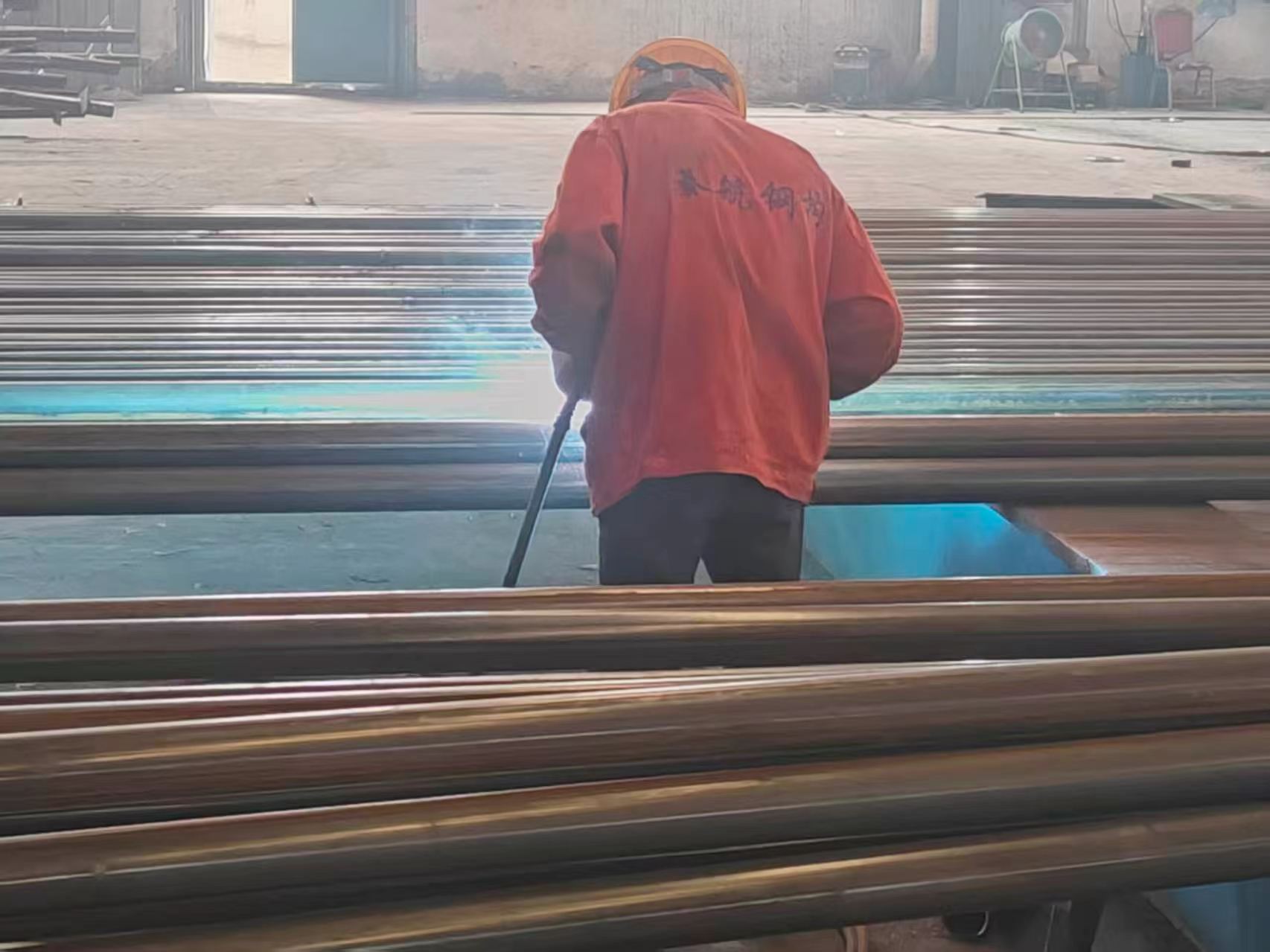
The Philippines presents a specific challenge for any industrial building: it sits squarely in the typhoon belt and on the seismic Ring of Fire. For manufacturers, fabricators, and contractors specifying a steel workshop in Metro Manila, Cebu, Davao, or the economic zones of Batangas and Laguna, the question is not whether the building looks good on day one, but whether it stands up to the next strong typhoon and the next earthquake. A properly engineered steel workshop answers both, which is why steel has become the default choice for Philippine industrial facilities. This guide is written for Filipino factory owners, PEZA locators, contractors, and engineers who need to specify, budget, and procure a steel workshop that performs in the country’s demanding conditions.
Why Steel Workshops Suit the Philippines
The Philippine environment rewards a building system that combines strength, ductility, and speed. Steel delivers all three. A welded and bolted steel frame flexes under seismic load instead of cracking, resists typhoon uplift when properly braced and anchored, and goes up fast enough to beat the next rainy season.
The recurring reasons Filipino buyers specify steel workshops:
- Typhoon resistance. Engineered bracing and heavy anchorage resist the uplift and lateral load of strong typhoons that hit the country most years.
- Seismic performance. Steel’s ductility lets a frame absorb earthquake energy and stay standing, which concrete does less forgivingly.
- Fast construction compresses the program so a PEZA locator can start production sooner.
- Clear spans of 24 to 45 meters give a fabrication or production workshop the open floor it needs for cranes and material flow.
If you are scoping a fabrication or production facility, our steel workshop page shows the configurations we supply for industrial use across Southeast Asia.
Philippine Climate, Wind, and Seismic Conditions
No Southeast Asian market demands more from load design than the Philippines. The country averages around twenty tropical cyclones entering its area of responsibility each year, several of them severe, and it sits on multiple active fault systems. A steel workshop here must be engineered for both extremes at once.
Typhoon and Wind Loads
The National Structural Code of the Philippines (NSCP) sets basic wind speeds by zone, and large parts of Luzon and the eastern seaboard fall into the highest wind categories, with design wind speeds reaching 250 km/h and above in the most exposed zones. Wind uplift on the roof is the critical action. The design must tie the roof to the frame, the frame to the columns, and the columns to the foundation with a continuous, verified load path so that uplift cannot peel the building apart. Bracing, purlin connections, and anchor bolts all carry real load in a typhoon and cannot be value-engineered away.
Seismic Loads
The NSCP places most of the country in Seismic Zone 4, the highest category, reflecting the Ring of Fire setting. Steel’s advantage here is ductility: a well-detailed frame deforms and absorbs energy rather than failing suddenly. Moment connections, brace configuration, and the relationship between member and connection strength all matter. A competent designer ensures the structure yields in a controlled way under a major earthquake, protecting life safety.
Humidity and Rainfall
The tropical climate brings high humidity and heavy rain, so corrosion protection and roof drainage both demand attention alongside the structural design. A workshop near the coast in Cebu or Batangas faces salt air on top of humidity.
Structural Design and Material Specifications
A steel workshop for the Philippines is a clear-span or multi-span portal frame engineered for combined typhoon and seismic load, usually with crane provision for fabrication work. The table below shows representative specifications across three scales we quote for Philippine projects.
| Parameter | Small Workshop (1,800 m2) | Fabrication Hall (5,000 m2) | Large Workshop (10,000 m2) |
|---|---|---|---|
| Clear span | 24 m | 30 m | 2 x 30 m multi-span |
| Eave height | 7 m | 9 m | 10.5 m |
| Main frame | Q355B welded H-section | Q355B welded H-section | Q355B welded H-section |
| Crane provision | Optional 5 t | 10 t overhead | 2 x 10 t overhead |
| Roof cladding | 0.5 mm color steel | 50 mm PU panel | 75 mm PU panel |
| Wall cladding | 0.5 mm color steel | Block dado + panel | Block dado + panel |
| Design wind | 250 km/h | 260 km/h | 270 km/h |
| Seismic zone | Zone 4 | Zone 4 | Zone 4 |
Material notes for Philippine specification:
- Steel grade. Q355B (S355 equivalent) for primary frames provides the strength-to-weight efficiency that matters for both seismic mass and shipping cost.
- Galvanized secondary steel. Z275 hot-dip galvanized purlins and girts minimum, Z450 for coastal sites.
- High-strength bolts. Grade 8.8 or 10.9 for primary and moment connections, galvanized for the humid climate.
- Anchor bolts. Sized and embedded for typhoon uplift and seismic shear, set with templates to hold tolerance.
- Bracing. Engineered vertical and roof bracing forms the lateral system; this is not optional in a Zone 4 typhoon country.
Our steel structure design guide explains how the lateral system, connections, and anchorage work together, which is exactly what Filipino engineers scrutinize.
Corrosion Protection for Philippine Conditions
Humidity and salt drive the corrosion specification. Coastal workshops in Cebu, Batangas, and much of the archipelago sit in corrosion category C4 to C5, while inland sites are closer to C3. The marine setting of so many Philippine industrial zones means corrosion protection is rarely a place to economize.
| Environment | Corrosion Category | Recommended System | Life to First Maintenance |
|---|---|---|---|
| Inland Luzon, sheltered | C3 | Sa 2.5 blast + zinc primer + epoxy + PU, ~180 microns | 12-15 years |
| Coastal Metro Manila / Laguna | C4 | Sa 2.5 blast + zinc primer + 2 epoxy + PU, ~240 microns | 10-14 years |
| Marine Cebu / Batangas coast | C5-M | Hot-dip galvanizing or metallizing + epoxy + PU, 280+ microns | 15-20 years |
For coastal and marine sites, hot-dip galvanizing of secondary steel and stainless fixings at exposed details pay for themselves over the building life. Underspecified coatings rust fast in the Philippine marine climate, and rectifying corrosion on an erected frame is far more expensive than getting the coating right at the factory.
Installation Timeline in the Philippines
The figures below assume a 5,000 square meter fabrication workshop on a prepared site, with materials cleared at Manila, Batangas, or Cebu port.
- Design and approval: 3 to 5 weeks for drawings, NSCP calculations, and local permit review.
- Fabrication: 5 to 7 weeks, overlapping with site foundation work.
- Sea freight and customs: 2 to 4 weeks from a Chinese port to a Philippine port, plus clearance.
- Foundation: 4 to 6 weeks; reclaimed or soft coastal ground may need piling.
- Steel erection: 4 to 7 weeks for frame, crane runways, bracing, and purlins.
- Cladding and finishes: 3 to 5 weeks, overlapping erection.
From contract to weathertight building, plan for 16 to 24 weeks. Scheduling the weathertight milestone before the peak typhoon season (roughly July to November) is a smart move where the program allows. Our installation timeline guide shows how to overlap phases and protect the critical path.
Cost Range and Budgeting
The figures below are indicative for the supply of a complete steel workshop package delivered to a Philippine port, excluding foundations, local labor, and process equipment.
| Building Type | Specification Level | Indicative Supply Cost (USD/m2) |
|---|---|---|
| Light workshop | Single-skin, no crane | 50 – 70 |
| Fabrication hall with crane | Insulated panel, 10 t crane | 85 – 125 |
| Large workshop, heavy spec | Insulated, dual crane, high wind | 115 – 165 |
The higher wind and seismic demand of the Philippines adds steel tonnage in bracing and connections compared with a calm, low-seismic site, which is reflected in the ranges. Foundations, slab, and process fit-out are separate and often add 30 to 45 percent on top of the steel supply. Our cost guide details the full budget picture.
Regulations and Approvals in the Philippines
Compliance centers on two pillars: the structural code and the permit process. Key points:
- National Structural Code (NSCP). Structural design follows the NSCP for wind and seismic load. A licensed Philippine civil/structural engineer reviews and signs the design.
- National Building Code (PD 1096). Governs building permits, issued through the local government unit’s Office of the Building Official.
- PEZA locators. Projects inside PEZA economic zones follow PEZA’s building permit and clearance process, which is generally faster to navigate and offers fiscal incentives.
- Fire Code (BFP). The Bureau of Fire Protection reviews fire safety provisions; occupancy and storage type drive sprinkler and exit requirements.
Useful references include the Philippine Economic Zone Authority (PEZA) for locator procedures and incentives, and the Department of Public Works and Highways for code and building references. Always confirm current requirements with your local engineer of record, as code editions and local rules are updated.
Project Scenarios Across the Philippines
Laguna and Batangas PEZA Manufacturing
An electronics contract manufacturer in a Laguna economic zone needs a 5,000 square meter workshop with a 10-tonne crane and clean assembly areas. Zone 4 seismic and high wind drive the bracing design, while coastal Laguna humidity sets a C4 corrosion spec. PEZA incentives and simplified permitting shorten the program and reduce landed cost.
Cebu Coastal Fabrication
A marine and steel fabrication company on the Cebu coast needs a 6,000 square meter workshop with dual 10-tonne cranes. The marine C5 environment calls for hot-dip galvanized primary and secondary steel with stainless fixings. The frame is engineered for crane fatigue plus the full typhoon and seismic load combination.
Davao Agro-Industrial Workshop
A food and agri-processing operation in Davao wants a 4,000 square meter workshop with hygienic finishes and good ventilation. Mindanao’s lower typhoon frequency eases wind demand somewhat, but Zone 4 seismic design still governs the lateral system. A reflective insulated roof manages tropical heat.
Common Buyer Questions
Can a steel workshop really survive a strong typhoon?
Yes, when it is engineered for the actual design wind speed with a continuous load path from roof to foundation. Most typhoon damage to industrial buildings comes from underspecified roof fixings, weak bracing, or inadequate anchorage, not from steel failing. A properly designed and built steel workshop with verified connections and anchor bolts resists the uplift and lateral loads of severe typhoons.
How does a steel workshop perform in a major earthquake?
Steel’s ductility is its strength in Zone 4. A well-detailed frame flexes and absorbs seismic energy rather than failing brittlely. Moment connections and bracing are designed so the structure deforms in a controlled, life-safe way. This is a key reason steel is favored over unreinforced masonry for Philippine industrial buildings.
What documents do you need to quote our workshop?
Building dimensions, eave height, location (for wind and seismic zone), intended use, any crane requirement, and preferred cladding level. A site plan and soil report help with foundation advice. Our quote requirements page lists everything for a fast, accurate proposal.
Do PEZA locators get any advantage on steel buildings?
Yes. PEZA zones typically offer simplified building permits and fiscal incentives, and the import of building materials may benefit from concessions depending on the registration. This affects both schedule and landed cost, so confirm your specific incentives with PEZA early.
How do we get an accurate quote for our Philippine project?
Send your building parameters, location, crane needs, and cladding preference through our quote request page. We will return a proposal engineered for the wind and seismic zone of your specific site.
The Continuous Load Path: Why It Decides Typhoon Survival
The most important concept in a Philippine steel workshop is the continuous load path. Wind uplift in a typhoon tries to lift the roof off the building. The forces must travel without interruption from the roof sheeting, through the fixings into the purlins, through the purlin cleats into the rafters, through the frame into the columns, and through the anchor bolts into the foundation. A weak link anywhere in that chain is where failure starts.
- Roof fixings. Specified for uplift, not just gravity, with the right fastener type and spacing.
- Purlin connections. Cleats and bolts sized to transfer uplift, not minimal tack connections.
- Frame connections. Moment connections engineered for the combined load case.
- Anchor bolts and foundations. Sized and embedded to hold the frame down against uplift and resist seismic shear.
When a typhoon damages an industrial building in the Philippines, the post-event analysis almost always finds a broken link in this chain, usually an underspecified fixing or anchor. A supplier who understands Philippine conditions designs and documents every link. This is the difference between a building that survives and one that does not, and it is why buyers should never let typhoon-critical connections be value-engineered down to save a small amount of steel.
Steel Versus Concrete in a Seismic Typhoon Country
Concrete construction is common in the Philippines, but for industrial workshops steel offers advantages that matter in this specific environment.
| Factor | Steel Workshop | Concrete / Masonry |
|---|---|---|
| Seismic behavior | Ductile, flexes and absorbs energy | Brittle if not heavily reinforced |
| Self-weight | Light, lower seismic force | Heavy, higher seismic force |
| Clear span | Up to 45 m | Limited without internal columns |
| Build speed | 16-24 weeks | 30-45 weeks |
| Crane support | Built into frame | Costly to retrofit |
| Post-quake repair | Often localized, repairable | Cracking can be extensive |
Lighter steel attracts lower seismic forces (force follows mass), and its ductility gives better life-safety performance. For Philippine industrial buildings, a steel frame with a concrete block dado wall to about 2.5 m for impact resistance is a widely used and sensible combination.
Foundations and Site Preparation
Foundation design in the Philippines must handle both the seismic shear coming down through the columns and the uplift trying to pull anchors out in a typhoon. Firm volcanic and inland soils support pad footings with adequate anchor embedment. Reclaimed coastal land and soft ground, common around Manila Bay and some economic zones, often need piling. The floor slab is designed for the workshop’s machinery, crane, and forklift loads. A geotechnical investigation early in the project removes the biggest source of late surprises. Anchor bolts are set with templates and survey control, since in a typhoon-resistant design their position and embedment are not items to improvise on site.
Procurement Recommendations
For Philippine steel workshop buyers, prioritize these decisions:
- Insist on full NSCP wind and seismic design with documented load combinations for your specific site zone.
- Protect the continuous load path. Do not let roof fixings, purlin connections, or anchor bolts be value-engineered below what the typhoon design requires.
- Specify marine-grade corrosion protection for coastal Cebu, Batangas, and similar sites.
- Use PEZA advantages where your project qualifies, for both schedule and cost.
- Schedule weathertight before typhoon season where the program allows.
- Require material and connection documentation, including mill certificates, coating thickness records, and bolt grades.
For regional context, our country guides compare requirements across markets. When you are ready, send your project details through the quote request page for a proposal engineered for your Philippine site.
Roof Drainage and Tropical Rain
Philippine rainfall is intense, and typhoons bring wind-driven rain that tests every roof joint. Drainage design carries as much weight as structural design in keeping a workshop dry and operational.
- Roof slope of at least 5 percent sheds water fast and avoids ponding at panel laps.
- Generous gutters and downpipes sized for peak tropical intensity, not annual averages, with overflow provision in case an outlet blocks during a storm.
- Sealed ridge and flashing details stop wind-driven rain entering during a typhoon, when pressure differences force water uphill into poorly formed joints.
- Properly lapped and fastened panels resist the combination of uplift and rain that defeats cheaply detailed roofs.
A roof that drains well in ordinary rain can still fail under typhoon conditions if the details are weak. Specify the envelope for the worst case the site will see, and treat drainage as a first-tier requirement.
Cranes, Mezzanines, and Workshop Fit-Out
A fabrication workshop is more than a shell. The steel frame carries the equipment that makes it productive.
- Overhead cranes from 5 to 20 tonnes are designed into the frame with runway beams and brackets sized for capacity, impact, and fatigue. Dual cranes serve long fabrication bays.
- Mezzanines add office, QC, or storage space, designed for the intended floor loading and tied into the lateral system.
- Ventilation through ridge vents, wall louvers, and powered extraction manages welding fumes and tropical heat.
- Service openings for ducts, gas lines, and process equipment are framed in during design so they do not weaken the structure.
Planning these with the steel engineering, not afterward, keeps the structure efficient and avoids costly site cutting. Share your process layout and crane duty early so loads and openings are built into the design from the start. Our quality control guide covers the inspection records that confirm crane runways and connections are built to the design.
Maintenance and Lifecycle in the Philippine Climate
A steel workshop in the Philippines is durable, but the marine humidity and storm exposure make a simple upkeep routine essential to reach full service life.
- Post-typhoon inspection. After every major storm, check roof fixings, flashings, and bracing for any movement or damage, and address it before the next event.
- Coating inspection at least annually, with priority on seaward elevations where salt accelerates corrosion.
- Touch-up painting at scratches, impact points, and any coating breaks before rust takes hold.
- Gutter and downpipe clearing before and during the rainy season to keep drainage at full capacity.
- Fastener and bolt checks after the first year and after major storms, since cyclic load can loosen connections.
- Repaint cycle at years 10 to 14 on coastal sites, later inland.
These small, scheduled tasks protect the structural investment and keep the building’s typhoon and seismic performance intact over decades. A workshop that is inspected after storms and maintained on schedule will outlast one that is left until corrosion or a loosened connection becomes a problem.
Choosing a Supplier for Philippine Conditions
Not every steel building supplier understands what Zone 4 seismic and the highest wind categories actually demand. When evaluating suppliers for a Philippine workshop, look for:
- NSCP-literate engineering that produces calculations a local engineer of record can review and sign without reworking.
- Documented connections and anchorage designed for the combined typhoon and seismic load case, not a generic mild-climate detail.
- Marine corrosion experience, with coating systems proven on coastal Southeast Asian projects.
- Clear material certification, covering steel grade, galvanizing, and bolt grade.
- A realistic program that sequences fabrication, shipping, and erection around the typhoon season.
A supplier who treats the Philippines as just another market, applying details meant for calm, low-seismic sites, puts the building and its occupants at risk. The right partner engineers specifically for the conditions and backs the design with documentation.
A steel workshop is the right answer for the Philippines precisely because the country is hard on buildings. Typhoon and seismic demand reward steel’s strength and ductility, and fast erection beats the weather. Get the load path, corrosion spec, and approvals right, hold your supplier to documented engineering, and the workshop will serve operations in Manila, Cebu, or Davao through whatever the climate and the faults deliver.