
Qatar Prefab Steel Warehouse Guide for Doha, Mesaieed and Ras Laffan Logistics Projects

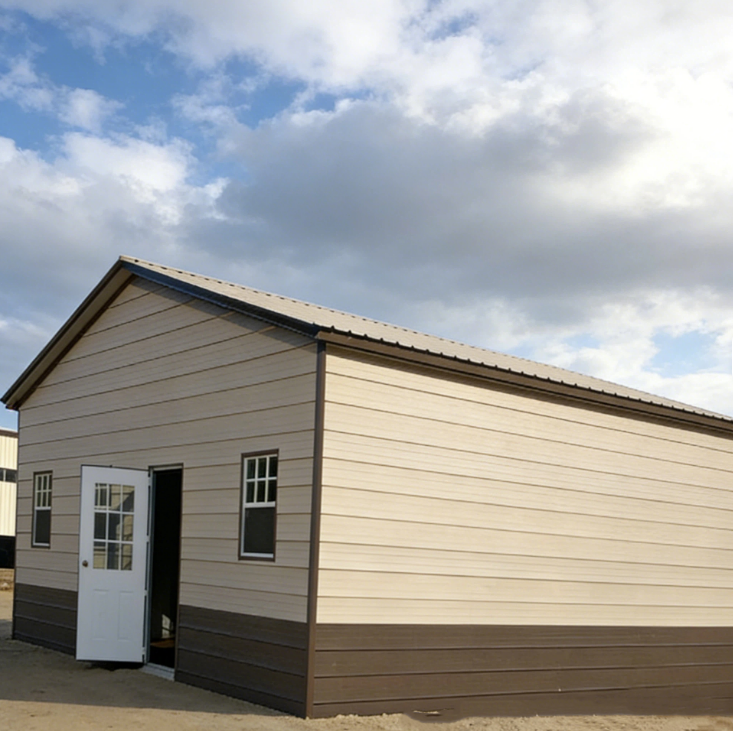
Qatar prefab steel warehouse projects are often planned under tight land, heat, corrosion and delivery constraints. A buyer in Doha, Mesaieed Industrial City, Ras Laffan, Al Wakrah or the New Industrial Area usually needs a building that can hold inventory, work with forklifts and loading docks, meet civil defense expectations, and arrive on site with clear drawings. This guide is written for procurement teams, EPC contractors, developers, logistics operators and project owners comparing a prefabricated steel structure with cast-in-place or blockwork construction.
As a factory supplier of prefab steel warehouse buildings, we normally start each Qatar inquiry with span, eave height, wind speed, roof insulation, wall cladding, corrosion class and erection access. The right answer is not only a low tonnage frame. It is a design package that fits Qatar climate, site soils, customs planning and the schedule for warehouse fit-out.
A steel warehouse in Qatar can be used for food distribution, construction material storage, e-commerce sorting, oil and gas spare parts, cold room support, retail stock, light assembly or port-side cargo handling. Each use changes column spacing, roof pitch, mezzanine loads, fire separation and door layout.
Why Qatar Buyers Choose Prefab Steel Warehouses
The strongest reason is schedule control. Structural members are detailed, cut, welded, drilled, blasted and painted in the factory while the local contractor completes foundations, anchor bolt setting and drainage. When containers reach Hamad Port, site assembly can begin without waiting for formwork cycles or long wet trades.
- Large clear spans reduce internal columns and allow flexible racking layouts.
- Bolted portal frames shorten erection time and make quality checks easier.
- Wall and roof panels can be selected for heat, dust and coastal humidity.
- Future extension is easier when end-wall framing is planned from the start.
- Steel tonnage, cladding area and bolt lists can be checked before purchase order approval.
For a logistics owner in Doha, the building is part of an operating system. Forklift turning radius, dock levels, office pods, fire exits, sun exposure and access roads matter as much as the main frame. Good early design lowers later variation claims.
Qatar Climate, Local Conditions and Code References
Qatar has hot summers, high solar gain, dust storms and coastal zones where salt can speed corrosion. Warehouses near Mesaieed, Ras Laffan or the coast need stronger attention to paint system, fasteners and roof detailing than a dry inland storage shed. The building engineer should confirm design wind, exposure category, importance factor, seismic input and serviceability limits for the exact plot.
International buyers often request designs based on AISC steel practice, ASCE 7 load rules and IBC style load combinations, then align them with local authority comments. Useful references include ASCE 7 minimum design loads, International Building Code information, and World Bank Qatar climate data.
| Design item | Typical Qatar consideration | Buyer action |
|---|---|---|
| Wind load | Check open terrain, coastal exposure and large door openings | Provide coordinates and required code basis |
| Thermal movement | Long roofs can move under high heat | Allow expansion joints or sliding details where needed |
| Dust and sand | Roof drainage and door seals need careful detail | Select gutters, flashings and sealed ridge caps |
| Corrosion | Coastal and industrial zones can be aggressive | Specify coating class, galvanizing or higher DFT paint |
| Fire safety | Storage hazard, exits and access lanes affect approval | Share commodity type, racking height and fire system plan |
Structural Design: Span, Bay Spacing and Clear Height
Most Qatar warehouse requests fall between 20 m and 60 m clear span, with 6 m to 12 m eave height. A standard portal frame works well for dry storage, light manufacturing and maintenance areas. Heavier crane loads, mezzanine offices or roof equipment may require stronger columns, bracing and local reinforcement.
A practical bay spacing is often 6 m, 7.5 m or 8 m. Wider bays reduce frame count but can increase purlin and girt sizes. Narrower bays may help when wall openings are dense or when cladding panels need shorter support spacing. The target is not simply the lowest kilograms per square meter; it is a safe frame that can be fabricated, packed, shipped and erected without trouble.
Common layout choices for Qatar logistics buildings
- Single-span portal frame for unobstructed storage and quick erection.
- Multi-span frame with interior columns for very wide footprint and lower steel tonnage.
- Lean-to canopy for loading docks exposed to sun and wind-driven dust.
- Mezzanine office zone placed beside the end wall to limit frame impact.
- Future extension bay with removable end-wall cladding and pre-planned bracing.
Wind, Snow and Seismic Loads
Snow load is normally not a governing item for Qatar warehouse design, but it should still be stated in the calculation notes as zero or the code minimum. Wind is more important. Large roof areas, high eaves, light cladding and big roller doors can create high uplift and suction. Bracing, roof purlin laps, anchor bolts and cladding screws should be checked together.
Seismic demand in Qatar is usually moderate compared with high seismic countries, but the final project engineer must apply the required local map and code. For procurement, the key is to avoid generic drawings. The supplier should issue design assumptions for wind speed, exposure, seismic category, dead load, live load, collateral load and service deflection before fabrication starts.
| Load type | Procurement note | Typical document needed |
|---|---|---|
| Dead load | Steel self-weight, panels, insulation, purlins, gutters | Frame calculation and material list |
| Roof live load | Maintenance access and roof service load | Design basis sheet |
| Wind load | Uplift, side pressure, door opening condition | Connection and anchor bolt calculation |
| Seismic load | Local site class and importance factor | Engineer review record |
| Collateral load | Solar panels, sprinklers, ducts or lighting | MEP load map from buyer |
Materials, Coating and Corrosion Protection
Main steel is commonly Q355 or equivalent for columns and rafters, with Q235 or equivalent for secondary members where suitable. The project can be supplied with hot rolled H sections, welded H sections, C/Z purlins, tie rods, bracing, anchor bolts, high strength bolts and accessories. Material certificates should match the approved bill of materials.
For Qatar, coating should not be treated as a decoration item. A basic shop primer may be acceptable for dry inland storage, but coastal or industrial areas often need a stronger paint system or hot dip galvanizing for selected secondary steel. Buyers should define color, dry film thickness, surface preparation grade, primer type and topcoat requirement.
| Component | Common specification | Qatar recommendation |
|---|---|---|
| Main frame | Q355 welded H steel or equivalent | Shot blasting Sa 2.5, epoxy zinc-rich primer where needed |
| Purlins and girts | Galvanized C/Z sections | Check zinc mass and lap details |
| Roof panel | Single sheet or insulated sandwich panel | Choose insulation for heat gain and condensation control |
| Wall panel | Color coated steel sheet or sandwich panel | Use durable coating and sealed trims in dusty areas |
| Bolts | 10.9S high strength bolts, ordinary bolts for secondary items | Provide bolt map and spare quantity |
Roof and Wall Cladding for Heat and Dust
Many Qatar buyers ask for insulated panels because daytime roof temperatures can be high. Sandwich panels with PU, PIR or rock wool core can reduce heat gain and support temperature control for goods and workers. Rock wool can also help where fire rating is needed. Single skin sheets with foil insulation may suit low-budget dry storage, but the buyer must accept higher heat transfer and condensation risk.
Roof slope, gutter size, downpipe placement and flashing details should be checked even in a dry climate because short heavy rain can occur. Dust control is linked to ridge caps, wall base flashing, door seals and louver selection. For food, packaging or electronics storage, tighter envelope detailing is worth the added cost.
Installation Cycle and Site Coordination in Doha or Industrial Zones
A 2,000 to 5,000 m² Qatar steel warehouse can often be erected in about 4 to 10 weeks after foundations are ready, depending on crane access, crew size, height, cladding type, weather and inspection hold points. Large warehouses with docks, mezzanine and fire partitions require longer.
| Phase | Typical duration | Key responsibility |
|---|---|---|
| Shop drawings and approval | 1-3 weeks | Buyer and supplier confirm loads, layout and colors |
| Fabrication | 3-6 weeks | Factory cutting, welding, drilling, coating and packing |
| Sea freight to Qatar | 2-5 weeks | Route and carrier depend on shipping market |
| Foundation and anchor bolts | Parallel with fabrication | Local civil contractor |
| Steel erection | 2-6 weeks | Erection contractor with crane and safety plan |
| Cladding and accessories | 2-5 weeks | Panel crew, door supplier and MEP coordination |
For more detail on sequencing, see our steel building installation timeline.
Budget Range for Qatar Prefab Steel Warehouse Projects
Final price depends on design loads, steel tonnage, panel type, coating, doors, insulation, mezzanine, fire needs and shipping volume. The following table is a planning reference only. It is not a formal quotation and excludes local foundation, taxes, authority fees and site labor unless stated.
| Building type | Indicative steel structure supply range | Notes |
|---|---|---|
| Simple dry storage warehouse | USD 45-85/m² | Single skin cladding, standard span, no heavy MEP |
| Insulated logistics warehouse | USD 75-135/m² | Sandwich panels, better coating, more doors and trims |
| Warehouse with mezzanine or canopy | USD 95-180/m² | Extra steel, stairs, deck, dock canopy |
| Cold room support shell | Project specific | Needs thermal break, vapor control and specialist panels |
To reduce price risk, send drawings or basic dimensions through the custom steel building quote page. Include location, span, length, eave height, roof load, wall panel preference, door sizes and coating expectations.
Specification Checklist Before You Send an RFQ
- Project city and exact site exposure: Doha, Mesaieed, Ras Laffan, Al Khor or another zone.
- Building length, width, clear height, roof slope and grid plan.
- Required code: ASCE, IBC, Eurocode or local engineer instruction.
- Wind speed, seismic input, roof live load and any MEP suspended loads.
- Use: racking, food storage, spare parts, cross-dock, cold support or light assembly.
- Door sizes, canopy, loading bay height, internal partitions and office area.
- Coating system, cladding type, insulation thickness and color.
- Required documents: design calculations, GA drawings, anchor bolt plan, packing list and certificates.
Common Buyer Questions
Can the warehouse be expanded later?
Yes, but future extension must be planned in the first design. The end wall, bracing line, gutters and panel lap should allow removal and extension without major rework.
Is hot dip galvanizing required for Qatar?
Not for every component. It is often selected for secondary steel, exposed items or aggressive zones. A paint system with defined DFT may be enough for indoor main frames, subject to the project environment.
What information is needed for a fast quote?
Send the same data listed in our steel building cost guide: dimensions, loads, location, usage, doors, panels, coating and target delivery time.
Can you supply drawings for local approval?
We can supply structural drawings, connection details, material lists and calculation notes based on the agreed code basis. A local licensed engineer may still need to review and stamp for authority submission.
What is the main procurement risk?
The main risk is buying a generic shed without clear load assumptions. For Qatar, wind uplift, heat movement, corrosion and fire access should be resolved before production.
Procurement Advice for Qatar Project Teams
For Doha and industrial-zone buyers, select a supplier that can discuss engineering, not only tonnage. Ask for past export packing photos, welding and coating quality records, and a clear material list. Our steel structure quality control guide explains the inspection points that matter before container loading.
A well-specified Qatar prefab steel warehouse should give the project owner predictable delivery, a dry and safe envelope, a frame suitable for future operations, and enough documentation for the contractor to install with confidence. Start with the operating layout, then lock the structural loads, then compare quotes on equal scope.
Detailing Decisions That Affect Qatar Warehouse Performance
Small details decide whether a Qatar warehouse remains dry, safe and easy to maintain after handover. The roof ridge, eave trim, gutter bracket, wall base flashing and panel screw pattern should be shown on drawings, not left for field improvisation. For wide warehouses, the roof sheet length may be limited by container packing and handling. If sheets are lapped on site, lap length, sealant type and screw spacing must be agreed before loading.
Door framing is another common issue. Large roller shutter doors increase internal pressure during storms when open, and they interrupt wall girts and bracing. The steel supplier needs door width, height, side clearance, motor position and opening frequency. Dock levelers, sectional doors and personnel exits should be placed early so columns and wall bracing do not conflict with the logistics plan.
For warehouses storing packaged food, retail goods or electronics, condensation control matters. A single-skin metal roof can produce dripping when internal humidity and roof temperature conditions meet. Insulated sandwich panels, vapor barriers, foil insulation or controlled ventilation can reduce this risk. The buyer should tell the supplier whether the building is air conditioned, naturally ventilated or connected to cold storage zones.
How to Review Supplier Drawings Before Fabrication
Before approving production drawings, a Qatar project team should check more than the plan dimensions. Review the general arrangement, anchor bolt plan, frame elevations, bracing layout, roof purlin spacing, wall girt spacing, panel direction, opening schedule, canopy details, gutter position and downpipe outlets. Confirm that the drawing title block names the project location and design basis.
- Check that column grid lines match the civil foundation drawings.
- Check that all doors open without hitting bracing, downpipes or bollards.
- Check that roof bracing does not conflict with skylights, exhaust fans or smoke vents.
- Check that panel colors and coating notes match the purchase order.
- Check that anchor bolts include diameter, embedment, projection and template dimensions.
- Check that every shipping mark is logical for site assembly.
A drawing review meeting with the supplier, civil contractor, door supplier and MEP consultant can prevent many site changes. If local approval comments are expected, freeze fabrication only after the responsible engineer confirms that the frame assumptions are acceptable.
Packing, Shipping and Site Receiving in Qatar
Export packing should protect painted steel and make unloading simple. Main columns and rafters are bundled with steel straps and separated by timber or rubber pads. Purlins and girts are packed by length and mark. Bolts, nuts, washers and small plates are boxed and labeled. Roof and wall sheets are wrapped to reduce scratches, with care taken to avoid water trapped inside bundles during transit.
At site receiving, the contractor should compare the packing list with actual bundles. Any shortage or transport damage should be photographed before installation starts. Painted steel may need touch-up at scratches, lifting points and bolt areas. Qatar heat also affects working hours, so erection planning should consider early morning lifts, shaded storage for panels and safe water access for crews.
| Receiving item | Check method | Action if problem appears |
|---|---|---|
| Main steel bundles | Compare marks and quantity with packing list | Photograph and report before cutting straps widely |
| Bolts and accessories | Count boxes by mark and grade | Separate high strength bolts from ordinary bolts |
| Panels | Check length, color and edge condition | Store on slope, keep dry and ventilated |
| Painted surfaces | Look for scratches or impact damage | Use approved touch-up system |
| Anchor bolts | Check projection and grid before frame lift | Correct before columns arrive at final position |
Operating and Maintenance Notes After Handover
A steel warehouse is not maintenance-free. The owner should inspect roof screws, gutters, downpipes, door tracks, base plate areas, paint scratches and sealant joints. In dusty Qatar conditions, blocked gutters or downpipes can cause water to back up during short storms. Around loading doors, forklift impact can damage panel bases and expose steel edges, so bollards and kerbs are good investments.
If solar panels may be added later, tell the steel supplier during the first design. Solar loads, maintenance paths and roof penetrations can change purlin design and waterproofing. If the building may later become a temperature-controlled warehouse, plan for insulated panels, vapor control and stronger MEP support points at the start.
A practical maintenance file should include as-built drawings, paint specification, panel supplier data, bolt grades, anchor bolt layout, inspection photos and a list of spare panels or screws. This file helps the owner manage repairs and future extensions without guessing the original specification.
Commercial and Project Management Notes
Procurement teams should also define acceptance criteria before paying the production deposit. A clear acceptance list can include steel grade certificates, welding procedure confirmation, inspection photos, coating dry film readings, panel thickness records, accessory count and container loading photos. This is especially useful when the buyer, consultant and installer are in different countries.
Insurance and risk allocation should be discussed in practical language. Decide who is responsible for marine insurance, port charges, inland transport, unloading, storage damage, erection safety and local permits. A steel structure package is usually one part of a larger project, so unclear responsibility can create delays even when the building itself is ready.
Communication rhythm also matters. During design, weekly drawing comments may be enough. During fabrication, milestone photos at cutting, welding, blasting, painting and packing help the buyer track progress. During erection, daily site photos can help the supplier answer questions about member marks, bolt positions and panel laps before mistakes repeat across the whole building.
Finally, protect the project budget by freezing the right items at the right time. Dimensions and load assumptions must be frozen before engineering. Openings and equipment supports must be frozen before shop drawings. Colors, coating and panel specifications must be frozen before purchasing materials. Shipping marks and packing sequence should be frozen before loading. This simple discipline reduces variation orders and keeps the project moving.
Pre-Shipment Inspection for Export Steel Structures
Before the containers leave the factory, the buyer should receive a pre-shipment inspection record. This record should show main member dimensions, weld condition, hole positions, coating readings, package marks, bolt quantities and panel bundle labels. It is much easier to correct a missing brace, wrong bolt grade or paint damage at the factory than at a remote site after cranes and labor have already been booked.
For B2B projects, the inspection record also protects the purchasing department. It gives evidence that the purchased scope matches the approved drawings and purchase order. When the local contractor receives the goods, the same record becomes a checklist for unloading and storage. A disciplined inspection process reduces disputes between owner, supplier, forwarder and installer.