
Ghana Steel Workshop Building Guide for Accra, Tema and Kumasi Manufacturing Projects

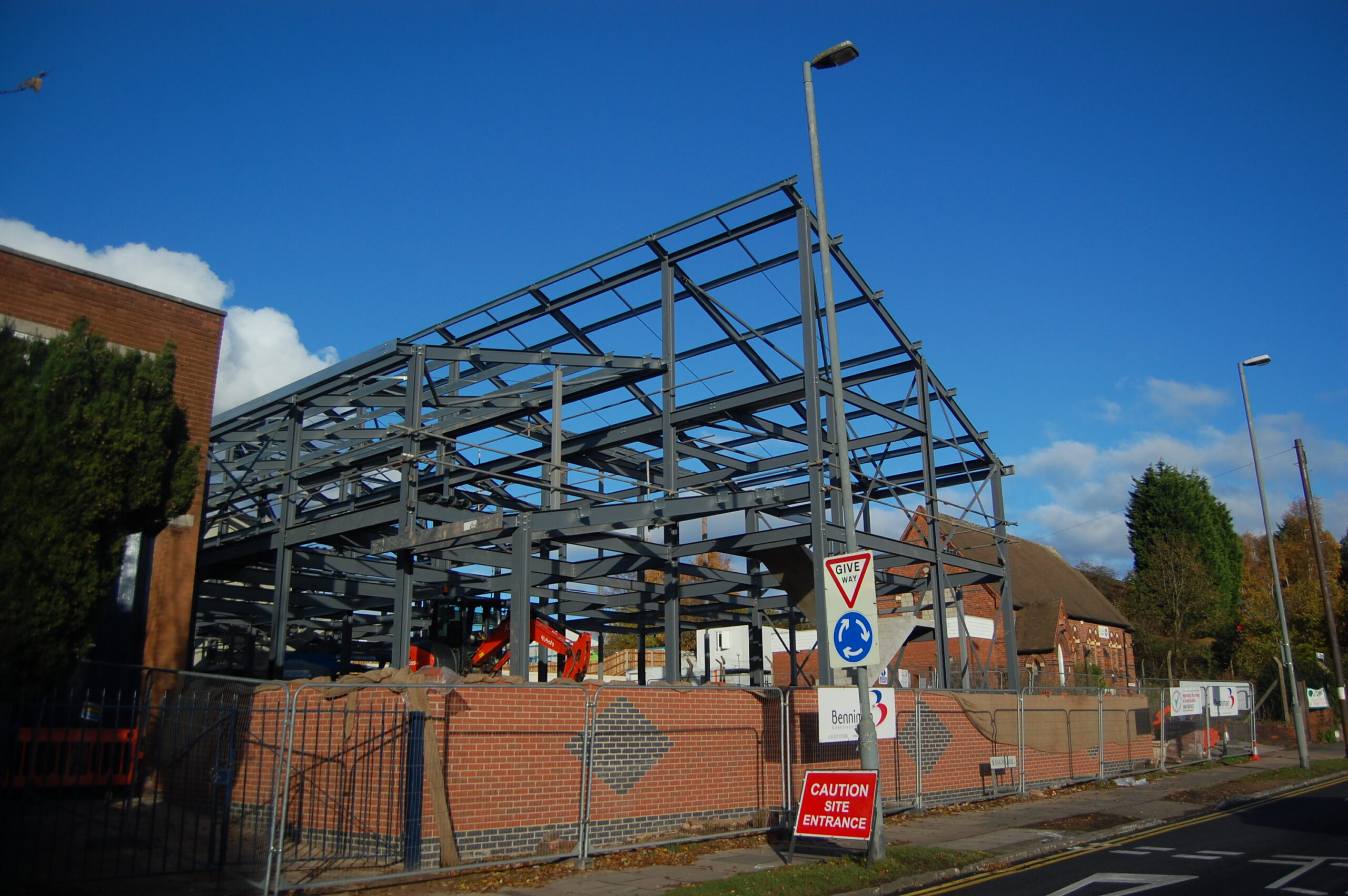
Ghana Steel Workshop Building Guide for Accra, Tema and Kumasi Manufacturing Projects is written for B2B buyers who need a factory-made steel building for Accra, Tema, Kumasi, Takoradi and industrial estates near the ports. The typical reader is a project owner, EPC contractor, architect, farm integrator, industrial park developer or purchasing manager who must compare structural safety, delivery time, installation risk and total cost before issuing a purchase order.
For Ghana, a steel workshop building should not be selected from a generic catalog. Wind, rain, corrosion, local approval practice, road access, labor skill and future operation all change the design. We supply export steel structures and support buyers with drawings, bill of materials, packing lists and installation guidance. Related product details are available on our steel workshop building page.
Market Demand in Ghana: Why Steel Structure Buildings Fit
In Accra, Tema, Kumasi, Takoradi and industrial estates near the ports, land is often assigned for manufacturing, warehousing, farming support, mining supply or port-linked distribution. A bolted steel frame helps owners start operations earlier because fabrication can run while civil works are underway. It also gives tenants more freedom to change internal layouts as production or storage needs change.
- Fabrication workshops for metal, timber, plastic or machinery repair.
- Industrial park buildings for SMEs that need fast rental-ready space.
- Port-linked maintenance sheds near Tema or Takoradi.
- Mining supply and equipment service workshops moving goods toward inland regions.
- Factory extensions where production cannot stop for a long concrete schedule.
Local Climate, Building Rules and Engineering Basis
Ghana project sites can face heavy seasonal rain, humid coastal air near Tema and Takoradi, dusty inland conditions and varied soil conditions. A workshop frame must be checked for wind pressure, roof drainage, corrosion, crane loads and maintenance access. Local professionals should confirm permit requirements and the edition of the Ghana Building Code or other standards requested by the authority.
Engineering teams often align the design basis with internationally recognized rules, then adapt documents for local review. Helpful references include Ghana Building Code overview, ASCE 7 load standard, and World Bank Ghana climate data.
| Issue | Design impact | RFQ note |
|---|---|---|
| Heavy rain | Roof slope, gutter capacity and downpipe routing | Confirm rainfall intensity and drainage plan |
| Coastal humidity | Paint and fastener corrosion risk | Choose coating system before quote comparison |
| Workshop cranes | Column, rafter and bracket loads | Provide crane capacity, span and hook height |
| Power and ventilation | Openings affect wall bracing | Mark louvers, fans and large doors |
| Local approval | Drawings may need local review | Plan time for engineer comments |
Structural Layout: Clear Span, Bay Spacing and Working Height
The first technical choice is the structural grid. A clear-span portal frame gives open space and easy movement for trucks, forklifts, feed lines or machinery. A multi-span frame lowers steel weight for very wide buildings but introduces interior columns. For many export projects, 6 m to 8 m bay spacing is a practical starting point because it balances frame count, purlin capacity, cladding support and container packing.
Clear height should be defined as the usable height under haunch or ceiling equipment, not only eave height. Buyers should mark the highest vehicle, racking level, crane hook path, ventilation duct, fan, lighting line and sprinkler pipe before the frame is designed.
| Parameter | Common option | Buyer comment |
|---|---|---|
| Span | 12-30 m for farms or workshops; 30-60 m for warehouses | Choose clear span when equipment movement is more important than steel saving |
| Eave height | 4-8 m for farm/workshop; 8-12 m for logistics | Confirm usable height under haunch and bracing |
| Bay spacing | 6 m, 7.5 m or 8 m | Match doors, panels and internal process lines |
| Roof slope | Often 5%-15% depending on rain and panel | Check drainage and roof sheet length |
| Expansion | End-wall extension or side-wall lean-to | Plan bracing and gutters in the first design |
Wind, Snow, Rain and Seismic Loads
For Ghana, wind load is usually a primary design item, especially for light roofs and wide wall panels. Snow may be zero or low in many target cities, but it must still be stated in the calculation sheet. Rain load and ponding risk depend on roof slope, gutter sizing and outlet maintenance. Seismic input must be checked for the site instead of copied from another country.
A proper quotation should name the load basis. If two suppliers quote different steel weight, check whether they used the same wind speed, exposure, roof live load, collateral load, crane load, deflection limit and connection standard. A lower price may only mean missing load assumptions.
| Load | What to confirm | Why it matters |
|---|---|---|
| Wind | Basic speed, exposure, internal pressure with open doors | Controls uplift, bracing, bolts and cladding screws |
| Rain | Roof slope, gutter size, downpipe count | Avoids ponding and water entry |
| Snow | State zero, minimum or code value | Prevents unclear design basis |
| Seismic | Site class and importance factor | Affects bracing and anchor bolts |
| Collateral | Fans, solar panels, conveyors, pipes | Prevents overloading purlins or rafters |
Material Specifications and Fabrication Quality
Main frames are commonly made from Q355 or equivalent structural steel. Secondary members may use Q235 or galvanized C/Z sections where the design permits. The factory should issue material certificates, welding inspection records, bolt grades, paint records and packing marks. For export work, clear marks on every column, rafter, purlin, brace and panel package reduce site delays.
Quality is checked before shipment, not after containers arrive. Practical inspection points include member dimensions, hole alignment, weld appearance, blasting grade, paint dry film thickness, straightness, trial assembly for critical joints and accessory count. Buyers can also request photos during cutting, welding, coating and loading.
See our steel structure design guide and quality control guide for the document flow we recommend before production.
Surface Treatment and Corrosion Control
Surface treatment should be matched to the site environment. Inland dry industrial sites may accept shot blasting and primer with topcoat. Coastal, wet, fertilizer, chemical, animal-house or high-humidity zones need higher protection. Galvanized purlins, stainless fasteners in selected zones, sealed laps and good drainage details can be more valuable than simply adding paint thickness to the main frame.
| Environment | Suggested protection | Detail to check |
|---|---|---|
| Dry inland storage | Blasting Sa 2.5 plus primer/topcoat | Touch-up paint after bolt tightening |
| Coastal or humid site | Higher DFT epoxy system or galvanizing for exposed parts | Fastener coating and panel cut-edge protection |
| Animal or fertilizer area | Corrosion-resistant lining and ventilation | Ammonia, moisture and wash-down exposure |
| Food or clean storage | Insulated panels and sealed flashings | Condensation and pest entry control |
Envelope, Ventilation and Insulation
Roof and wall systems influence worker comfort, product protection and energy cost. Options include single-skin color steel sheets, glass wool with foil, PU/PIR sandwich panels and rock wool panels. For workshops and warehouses, insulation lowers heat gain and rain noise. For poultry or agricultural buildings, ventilation design is part of the operating system, not an accessory.
- Use roof insulation where solar heat is high or goods are temperature sensitive.
- Use ridge vents, louvers or mechanical fans only after checking rain and bird entry.
- Select skylights carefully; too many can add heat and maintenance points.
- Protect panel bases from standing water, manure, chemicals or forklift impact.
- Match door size to trucks, forklifts, feed vehicles or equipment delivery.
Installation Cycle and Local Contractor Coordination
A small to mid-size steel workshop building can often be erected within weeks after foundations are ready. The exact cycle depends on building area, height, crane access, crew skill, weather and inspection requirements. The local contractor should receive anchor bolt plans early because incorrect bolt spacing is one of the most expensive site errors.
| Stage | Typical duration | Critical check |
|---|---|---|
| Design confirmation | 1-3 weeks | Loads, grid, openings and cladding approved |
| Fabrication | 3-7 weeks | Material, welding, drilling, coating and packing |
| Shipping | 2-6 weeks | Container plan, port route and customs documents |
| Foundation work | Parallel with fabrication | Anchor bolts, base plate grout and levels |
| Frame erection | 2-8 weeks | Crane plan, bolt tightening and bracing sequence |
| Panel and trim work | 2-5 weeks | Waterproofing, doors, gutters and safety lines |
Our installation timeline page gives a fuller sequence for overseas buyers.
Planning Budget and Cost Table
The ranges below are early planning numbers for steel structure supply. They are not a binding quote. Local foundation, erection labor, permits, taxes, MEP, fire systems, office fit-out and inland transport may be separate. Prices move with steel market, panel choice, design load and shipping cost.
| Scope | Indicative supply range | When it applies |
|---|---|---|
| Basic workshop shell | USD 50-95/m² | No crane, single skin or light insulation |
| Workshop with overhead crane | USD 90-170/m² | Crane beams, stronger columns and runway details |
| Insulated production workshop | USD 80-150/m² | Sandwich panels, more trims and ventilation |
| Workshop with office mezzanine | USD 110-190/m² | Deck, stairs, handrails and fire separation may apply |
For a project-specific offer, submit dimensions and drawings through Get a Custom Steel Structure Building Quote.
Project Scenarios and Specification Notes
Scenario 1: Industrial park production building
A production tenant needs regular bays, wide doors, ventilation, optional crane rails and a floor plan that can accept machinery. The frame should allow cable trays, compressed air lines and maintenance platforms. If the tenant may change later, avoid placing too many permanent interior walls in the structural concept.
Scenario 2: Logistics or storage building
The owner needs truck access, dock canopies, high clear height, smooth forklift flow and racking coordination. Wind load around large door openings and canopies should be checked. Fire lanes and exit distances must be coordinated with the local designer.
Scenario 3: Agricultural or farm support building
Moisture, animal waste, cleaning chemicals and ventilation are central issues. The roof may need insulation, the wall base may need protection, and the steel coating should match the exposure. Farm projects should confirm equipment loads and fan openings before production.
RFQ Checklist for Buyers
- Site location and nearest port or city.
- Building length, width, eave height, clear height and roof slope.
- Design code, wind speed, seismic input and roof live load.
- Operational use, storage height, equipment, crane or suspended load.
- Door, window, louver, fan, gutter and canopy schedule.
- Panel type, insulation thickness, color and fire rating if required.
- Surface treatment: primer, topcoat, galvanizing and target DFT.
- Documents required for approval and customs.
- Target delivery date and whether site foundations are ready.
Common Buyer Questions
How do we compare two supplier quotes?
Ask both suppliers to state the same design loads, steel grade, coating system, panel thickness, bolt grade, included accessories, packing method and drawing scope. Compare total scope, not only price per square meter.
Can local contractors install the building?
Yes. A bolted prefab steel structure is suitable for local erection teams if drawings, marks and bolt lists are clear. For complex projects, remote guidance or a site advisor can be arranged.
Do you include foundations?
We normally supply anchor bolt plans and base reactions for the local civil engineer. Foundation design and concrete work are usually handled by the local contractor because soil and authority requirements are local.
What causes delays?
Late load information, changing door locations after fabrication, unclear approval responsibility, slow foundation work, missing lifting equipment and incomplete customs documents are common causes.
What should be fixed before production?
Fix the grid, height, loads, openings, coating, panel type, colors and accessories. Changes after cutting and drilling are costly.
Procurement Advice for Ghana
For Accra, Tema, Kumasi, Takoradi and industrial estates near the ports, start with a clear technical brief and ask for a design basis sheet before price negotiation. A good supplier should explain span choice, bracing location, corrosion protection and packing plan. The lowest offer is not always the safest offer if it omits loads, trims, doors or coating details.
If you are planning a steel workshop building in Ghana, prepare a simple sketch, site location and operating requirements. Our team can turn that into a quotation package with drawings, specifications and export supply scope. You can also review our global prefab steel building country guides for nearby market notes.
Workshop Crane and Equipment Planning in Ghana
Many Ghana workshop inquiries involve overhead cranes, jib cranes, monorails or heavy maintenance equipment. Crane information must be fixed early because it changes the columns, rafters, longitudinal bracing, runway beams, end stops and foundation reactions. A 5 ton overhead crane is not just an accessory; it is a moving load system that affects fatigue, deflection and alignment.
The buyer should provide crane capacity, span, lifting height, duty class, runway length, wheel loads and the location of maintenance platforms. If the crane supplier has not been selected, the steel building supplier can reserve a practical zone, but final wheel loads must be checked before fabrication. For machinery foundations, the local civil engineer should coordinate vibration, anchor bolts and floor thickness.
| Equipment item | Steel structure impact | Information needed |
|---|---|---|
| Overhead crane | Columns, crane brackets, runway beams and bracing | Capacity, wheel load, hook height, duty class |
| Large compressor | Ventilation and slab isolation | Weight, vibration and service clearance |
| Welding area | Fire separation and roof ventilation | Bay location and exhaust needs |
| Roller shutter door | Wall framing and wind pressure | Width, height, motor and opening direction |
| Mezzanine office | Columns, beams, stairs and floor deck | Live load, partitions and exit route |
Rain, Drainage and Waterproofing for Accra and Tema Sites
Heavy seasonal rain can expose weak roof details. A Ghana steel workshop should have a roof slope that matches panel profile and expected rainfall. Gutters must be large enough for intense rain and easy to clean. Downpipes should discharge away from column bases and pedestrian doors. If the building is near an unpaved yard, splash water and mud can attack wall panels and base flashing.
For workshops in Tema and coastal areas, wind-driven rain can enter through poorly sealed ridge caps, side laps, louvers and door heads. The solution is not only more sealant. Correct overlap direction, butyl tape, closure strips, proper screw torque and strong trim details are needed. The supplier should show typical roof ridge, eave, corner, door head and wall base details in the drawing set.
Local Labor, Tools and Erection Practicalities
A bolted steel workshop is suitable for Ghana contractors, but the project owner should not assume that any crew can erect it without preparation. Before containers arrive, confirm crane capacity, lifting slings, torque wrenches, scaffolding, safety lines, temporary bracing materials and storage space. The first frame line must be plumbed and temporarily stabilized before the crew moves forward.
- Prepare a level laydown area so columns, rafters and panels do not sit in mud.
- Use the anchor bolt template supplied with drawings and recheck diagonals.
- Tighten bolts in the sequence stated by the supplier or engineer.
- Install roof bracing early; do not leave frames standing without stability.
- Protect painted members from dragging, cutting sparks and uncontrolled welding.
- Keep panels stacked off the ground and covered with ventilation.
If the workshop includes crane beams, alignment should be checked with care. Runway level, span, straightness and rail fixing affect crane operation. Rectifying misalignment after cladding is installed can be expensive, so include a hold point before the crane supplier completes installation.
Document Package for Ghana Buyers and Consultants
A professional RFQ should request a document package that can be checked by the buyer and local consultant. At minimum, ask for general arrangement drawings, foundation reaction data, anchor bolt plan, main frame drawings, connection details, material list, panel list, bolt list, coating specification and packing list. For approval, calculation notes may be needed, depending on local requirements.
The document package should use consistent units and member marks. If drawings use metric sizes, do not mix unmarked inch dimensions in door or equipment schedules. If local consultants require a different code basis, resolve it before production. Rechecking after fabrication may lead to heavier members, added plates or shipping delays.
Maintenance Strategy for Humid and Coastal Ghana Conditions
After handover, the owner should inspect paint damage, roof fasteners, gutters, crane runway bolts, wall base panels and door tracks. In coastal areas, small scratches can become rust points if not repaired. Workshops create sparks, oil, dust and chemical exposure, so internal housekeeping also affects steel life.
Keep a maintenance log with dates, photos and repairs. Touch-up paint should match the original system. If the workshop is extended later, the new steel should use compatible coating and connection details. A future extension is easiest when the original end wall was designed as a removable wall rather than a permanent braced end.
Commercial and Project Management Notes
Procurement teams should also define acceptance criteria before paying the production deposit. A clear acceptance list can include steel grade certificates, welding procedure confirmation, inspection photos, coating dry film readings, panel thickness records, accessory count and container loading photos. This is especially useful when the buyer, consultant and installer are in different countries.
Insurance and risk allocation should be discussed in practical language. Decide who is responsible for marine insurance, port charges, inland transport, unloading, storage damage, erection safety and local permits. A steel structure package is usually one part of a larger project, so unclear responsibility can create delays even when the building itself is ready.
Communication rhythm also matters. During design, weekly drawing comments may be enough. During fabrication, milestone photos at cutting, welding, blasting, painting and packing help the buyer track progress. During erection, daily site photos can help the supplier answer questions about member marks, bolt positions and panel laps before mistakes repeat across the whole building.
Finally, protect the project budget by freezing the right items at the right time. Dimensions and load assumptions must be frozen before engineering. Openings and equipment supports must be frozen before shop drawings. Colors, coating and panel specifications must be frozen before purchasing materials. Shipping marks and packing sequence should be frozen before loading. This simple discipline reduces variation orders and keeps the project moving.
Pre-Shipment Inspection for Export Steel Structures
Before the containers leave the factory, the buyer should receive a pre-shipment inspection record. This record should show main member dimensions, weld condition, hole positions, coating readings, package marks, bolt quantities and panel bundle labels. It is much easier to correct a missing brace, wrong bolt grade or paint damage at the factory than at a remote site after cranes and labor have already been booked.
For B2B projects, the inspection record also protects the purchasing department. It gives evidence that the purchased scope matches the approved drawings and purchase order. When the local contractor receives the goods, the same record becomes a checklist for unloading and storage. A disciplined inspection process reduces disputes between owner, supplier, forwarder and installer.