
Peru Industrial Steel Building Guide for Lima, Callao, Arequipa and Mining Supply Projects

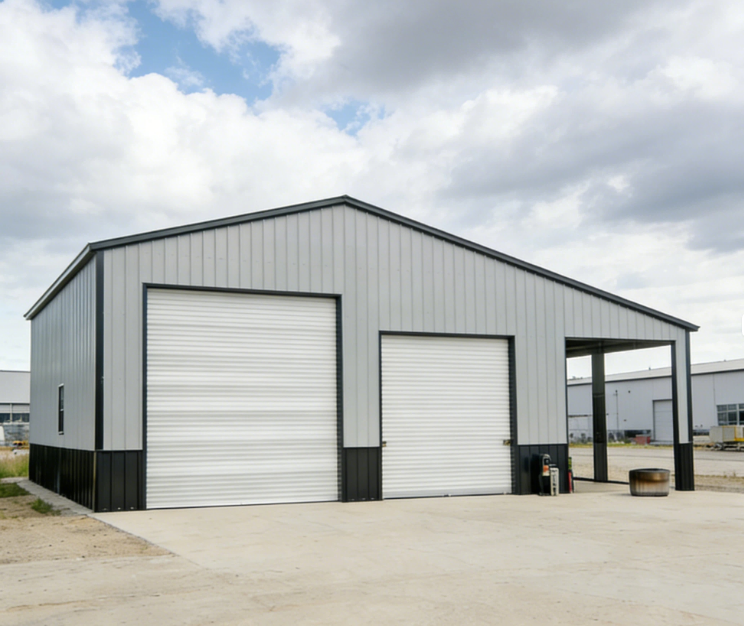
An industrial steel building in Peru may serve a logistics yard in Lima, a port support warehouse in Callao, a mining supply workshop in Arequipa, or an agricultural export facility on the coast. Each location creates a different design problem. Coastal humidity and salt air affect corrosion protection. The Andes and southern regions raise seismic and wind questions. Mining support projects may need heavy-duty floors, cranes, wide doors, and fast replacement of damaged cladding. A good steel building package must fit the site, not only the drawing.
This guide is for B2B buyers: project owners, engineering contractors, procurement teams, architects, industrial park managers, and mining supply companies comparing prefab or pre-engineered steel buildings for Peru. It explains structural design, wind, seismic, snow or altitude issues, materials, coating, installation, cost ranges, regulatory coordination, and quote preparation. For related options, see our prefab steel warehouse page, steel workshop page, and steel structure design guide.
Where industrial steel buildings are used in Peru
Lima and Callao need warehouses for import distribution, e-commerce, spare parts, food packaging, cold-chain support, and port-related storage. Arequipa and southern Peru often require workshops and storage buildings for mining, energy, and heavy equipment service. Coastal agricultural regions may use steel buildings for packaging, fertilizer storage, equipment shelter, and export logistics. In each case, steel is selected because it supports wide spans, fast erection, modular expansion, and a lighter roof structure than many concrete options.
However, Peru is not a single design environment. A coastal warehouse near Callao needs a different coating and fastener plan from an inland workshop. A mining supply building serving highland operations may need special transport planning, higher wind checks, colder night temperatures, and careful erection sequencing. A procurement team should provide site conditions before requesting prices, because the same floor area can require different steel weight and protection systems.
Common Peruvian project scenarios
- Lima distribution warehouse: 3,000–25,000 m², clear span or multi-span frame, truck docks, wide forklift aisles, optional insulation, and fire access coordination.
- Callao port support building: stronger corrosion specification, sealed cladding details, high-use roller doors, and rapid customs-ready shipping documents.
- Arequipa mining supply workshop: crane runway options, heavy equipment doors, dust control, strong base plates, and repair-friendly wall panels.
- Agro-export packing facility: insulated areas, hygienic wall finishes, ventilation, shaded loading canopies, and condensation control.
- Industrial park shell building: modular bay spacing, future tenant openings, clean facade, and simple expansion at end walls.
Structural design basis for Peru: seismic first, then wind and service loads
Peru is located in a highly seismic region, so earthquake design must be discussed early. A steel building can perform well when the lateral system, bracing, base plates, anchor bolts, and foundations are designed as one system. The supplier must know the project code basis, site soil class, importance level, building geometry, and whether the local engineer requires specific seismic detailing. It is not enough to send only length, width, and height.
Wind load also matters, especially for lightweight metal roofs and walls. Coastal exposure, open sites, high eaves, canopies, and large doors all affect cladding and frame design. In highland or exposed mining areas, local wind data should be checked. Snow may not affect many coastal buildings, but altitude, roof live load, maintenance load, suspended services, and possible ash or dust accumulation should still be reviewed with the consultant.
Industrial buildings often carry non-structural loads that are forgotten during early pricing. These include cable trays, ducts, fans, fire pipes, solar panels, monorails, cranes, mezzanines, pipe racks, and maintenance platforms. If these loads are added after fabrication, field modifications can damage coatings and create delays. Share equipment plans before the design is frozen.
| Design issue | Required buyer input for Peru |
| Seismic design | Site location, soil data, importance factor, code basis, bracing preference, base reactions |
| Wind design | Exposure, building height, openings, roof slope, canopies, and local wind requirement |
| Roof live and service loads | Maintenance load, solar panels, ducts, fire pipes, lighting, suspended equipment |
| Industrial loads | Crane capacity, machine foundation, racking, forklift impact, mezzanine storage |
| Environmental exposure | Coastal salt air, dust, chemicals, altitude, rainfall, and temperature range |
Frame layout, spans and expansion planning
Portal frame steel buildings are common for warehouses and workshops. Main frames may use welded H-section columns and rafters, with secondary members such as purlins, girts, bracing rods, roof bracing, wall bracing, framed openings, and connection plates. For a logistics building, a 24–36 m clear span may suit dock and racking layouts. For a heavy workshop, internal columns may be acceptable if they align with process zones and reduce steel weight. For a mining equipment workshop, door height and crane hook height can drive the entire frame geometry.
Column spacing should be chosen with operations in mind. A 6 m bay may fit smaller buildings and reduce cladding spans. Wider bays can reduce column count and improve vehicle movement but may increase purlin and girt requirements. Future expansion should be planned at end walls where possible. If the buyer expects to extend the building later, the end frame, bracing, and cladding should be detailed so panels can be removed without cutting primary steel.
Materials, steel grades and connection details
Common overseas steel packages use Q355 or equivalent main steel, Q235 or equivalent secondary items where allowed, high-strength bolts, galvanized purlins, and painted primary frames. Some Peruvian consultants may specify ASTM, EN, or other standards. The supplier should provide mill certificates and a clear grade comparison for approval. Welding, drilling, and connection design should be visible in the shop drawings, not hidden inside a lump-sum offer.
Bolted connections are a key benefit of prefabricated steel buildings. They reduce site welding, speed erection, and allow better quality control in the factory. The drawings should show bolt diameter, grade, hole type, washer requirements, tightening method, splice plates, base plate size, anchor bolt layout, and grout thickness. For seismic regions, bracing connections and anchor bolt embedment need special attention from the local engineer.
| Part of building | Typical specification direction | Peru project note |
| Primary frame | Welded H-section, Q355 or approved equivalent | Check seismic design, base reactions, and splice locations |
| Secondary members | C/Z purlins and girts, galvanized or painted | Confirm corrosion class and transport protection |
| Cladding | Color-coated metal sheet or sandwich panel | Confirm thickness, coating, insulation, screw pattern, and overlap |
| Bolts | High-strength structural bolts where specified | Confirm grade, torque method, quantity, and spare bolts |
| Anchor bolts | Project-specific size and length | Coordinate with concrete pedestals and local foundation engineer |
Anti-corrosion and surface treatment for coast, desert and mining areas
Coating selection for Peru should follow exposure. Callao and coastal industrial areas can expose steel to salt air and humidity. Inland desert areas may have dust and strong UV. Mining support areas may involve abrasion, chemical exposure, fuel, or maintenance operations. The specification should not use one paint system for every site.
A typical system may start with shot blasting to Sa 2.5, followed by primer and finish coats. For stronger corrosion resistance, buyers may request zinc-rich primer, epoxy intermediate coat, polyurethane topcoat, or hot-dip galvanizing for selected secondary members. The required dry film thickness should be recorded, and factory QC should include surface preparation and coating measurements. During erection, lifting marks and bolt areas must be touched up. A good steel package includes repair paint and clear touch-up instructions.
| Exposure condition | Suggested protection direction | What to ask the supplier |
| Lima inland logistics | Standard painted primary frame plus protected secondary members | Blasting grade, paint type, DFT report, touch-up kit |
| Callao coastal warehouse | Higher corrosion system and better fasteners | Zinc-rich or epoxy system, fastener coating, cut-edge protection |
| Mining support workshop | Paint system suited to abrasion and maintenance work | Chemical exposure data, easy repair plan, impact guards |
| Open canopy | UV and moisture resistant topcoat | Weather-exposed member detailing and drainage |
| Food or agro-export facility | Clean interior finish and condensation planning | Panel type, insulation, vapor control, washable surfaces |
Cladding, insulation, ventilation and operational comfort
Metal roof and wall systems should be selected by building use. Simple dry storage may use single-skin metal panels. Temperature-sensitive goods, food handling, and occupied workshops may need insulated sandwich panels or roof insulation. Coastal warehouses should pay close attention to screws, washers, overlap, ridge caps, gutters, and downpipes. Dusty sites should use door seals and positive ventilation where needed.
Ventilation is often a design issue rather than an accessory choice. Ridge vents, wall louvers, turbine ventilators, exhaust fans, and large doors can improve working conditions, but they also affect wind pressure and rain entry. If the building has welding, painting, vehicle repair, or battery charging, ventilation and fire safety must be reviewed by the local consultant.
Installation planning: from containers to aligned steel frame
For imported prefab steel buildings, installation success depends on planning before shipment. Member lengths should match container or bulk transport limits. Piece marks must match the erection drawings. Packing should protect paint during sea freight and inland transport. The site needs a storage area, crane path, access road, bolt storage, and a safe method statement.
The recommended erection sequence starts with anchor bolt survey, first braced bay, columns, rafters, temporary bracing, alignment, purlins and girts, final bolt tightening, roof panels, wall panels, trims, doors, gutters, and accessories. In seismic regions, base plate seating and anchor bolt tightening must be inspected. Do not rely on cladding to stabilize the frame; bracing must be installed correctly.
| Stage | Typical duration | Control item |
| Quote and concept design | 3–10 days | Site data, loads, building use, and scope definition |
| Engineering and approval | 2–5 weeks | Seismic checks, local consultant review, shop drawings |
| Fabrication and coating | 4–8 weeks | Welding, drilling, blasting, painting, marking, packing |
| Shipping to Peru | 3–7 weeks depending on route | Container plan, port documents, customs, inland transport |
| Foundation and anchor bolts | Parallel with fabrication | Survey, templates, grout space, pedestal levels |
| Steel erection | 2–8 weeks by size and crew | Crane capacity, bracing sequence, alignment, safety |
| Cladding and final trim | 2–6 weeks | Panel handling, sealing, gutters, doors, leakage checks |
Review our steel building installation timeline when planning the site sequence. Early coordination between the steel supplier and local contractor prevents many delays.
Budget ranges and cost drivers for Peru
Planning costs depend on steel weight, seismic requirements, wind load, corrosion system, cladding, insulation, crane loads, shipping route, and local erection scope. The ranges below are only for early feasibility. They do not replace a project quote based on drawings and code data.
| Building type | Indicative imported steel package range | Main cost drivers |
| Basic warehouse shell | USD 50–95/m² in many cases | Span, height, steel weight, wind/seismic demand, panel type |
| Insulated logistics or agro building | USD 80–155/m² package range | Sandwich panels, doors, ventilation, gutters, waterproof details |
| Crane-ready workshop | USD 100–210/m² package range | Crane beams, heavier columns, brackets, alignment tolerance |
| Coastal corrosion-resistant building | Add 8–25% to coating/accessory budget | Paint system, fasteners, galvanized items, inspection records |
| Turnkey local construction | Site-specific | Foundations, slab, MEP, fire system, local labor, permits, taxes |
Use our steel building cost guide to prepare a budget before tender. To compare suppliers fairly, ask each bidder to price the same span, design loads, steel grade, coating, panel thickness, insulation, doors, and delivery term. A cheap quote may simply exclude gutters, anchor bolts, doors, paint thickness, or crane runway beams.
Peru regulatory and consultant coordination
The local design team should confirm national code requirements, municipal approval, fire safety, foundations, drainage, geotechnical data, and project-specific owner standards. An overseas steel supplier can provide calculations, drawings, material certificates, and fabrication quality records, but the local engineer of record should review the design for the site. This is especially important for seismic detailing and foundation interface.
For logistics and industrial buildings, local approvals may cover fire access, emergency exits, hydrant routes, drainage discharge, environmental controls, noise, and utility connections. Mining or process support projects may also have owner safety standards for lifting, hot work, fall protection, access platforms, and equipment maintenance. These requirements should be shared before final shop drawings.
Procurement checklist for Peru buyers
- Provide site city, coordinates, altitude if relevant, exposure, building use, and target code basis.
- Send a layout with dimensions, eave height, door schedule, crane requirement, mezzanine areas, and future extension plan.
- Ask suppliers to state seismic and wind assumptions, steel grade, bolt grade, coating system, cladding thickness, and included accessories.
- Request anchor bolt drawings early so the local civil team can prepare foundations during fabrication.
- Confirm shipping method, piece marking, packing plan, spare bolts, repair paint, and customs documents.
- Ask for material certificates, welding inspection records, coating DFT records, and packing photos before shipment.
- Send final project data through Get a Custom Steel Structure Building Quote when you are ready for pricing.
Common buyer questions
Is a steel building suitable for seismic zones in Peru?
Yes, steel buildings can be suitable when designed with the correct seismic data, bracing system, base plates, anchor bolts, and foundation coordination. The local engineer must review the design for the project site and code basis.
What coating is best for Callao or other coastal sites?
A stronger anti-corrosion system is usually needed near the coast. Options include zinc-rich primer, epoxy systems, polyurethane topcoats, galvanized secondary members, and better fasteners. The best choice depends on exposure, service life, and maintenance access.
Can the building be expanded later?
Yes, if expansion is planned early. The end wall, bracing, foundations, and cladding should be designed for future removal or extension. If future growth is likely, tell the supplier before final design.
How do we compare imported steel building quotes?
Compare the same scope: design code, loads, steel grade, tonnage, coating, panel thickness, insulation, doors, gutters, bolts, anchor bolts, drawings, shipping term, and installation support. Do not compare only total price.
Final procurement advice
For Peru, focus on seismic coordination, corrosion protection, wind checks, transport planning, and clear division of work between the steel supplier and local contractor. Lima logistics projects need efficient bay layouts and truck access. Callao projects need stronger corrosion and waterproof details. Arequipa and mining supply projects need heavier operational specifications and installation planning. If you want a technical review of your building layout, contact us through Contact Us and include your location, dimensions, loads, and intended use.
Useful external references include Ministerio de Vivienda, Construcción y Saneamiento, Servicio Nacional de Meteorología e Hidrología del Perú, and American Institute of Steel Construction.
Detailed specification example for a Peru mining supply workshop
A mining supply workshop near Arequipa or serving southern Peru often needs more than a simple warehouse frame. A typical building may include a 30 m clear span, 10–12 m eave height, large equipment doors, one or two overhead cranes, a maintenance bay, parts storage, welding exhaust, compressed air lines, strong lighting supports, and impact-resistant lower wall details. These requirements should be shown in the design brief. If crane loads, door sizes, and equipment zones are added later, the main frame may need heavier columns or different bracing.
For logistics buildings around Lima and Callao, the key issues may be truck circulation, dock doors, corrosion resistance, and fire access. For agro-export buildings, the key issues may be insulated rooms, washable surfaces, condensation control, and shaded loading. Peru buyers should avoid using one generic warehouse specification for all these project types. The steel package should follow the building use and the site exposure.
| Project type in Peru | Specification priority |
| Mining supply workshop | Crane runway, large doors, heavy base reactions, impact protection, dust control |
| Callao port warehouse | Corrosion protection, sealed roof details, dock equipment, high-cycle doors |
| Lima distribution center | Bay spacing, truck docks, racking layout, fire access, fast installation |
| Agro-export facility | Insulated panels, condensation control, hygiene, ventilation, shaded loading |
| Industrial rental shell | Flexible openings, future fit-out, clean facade, expansion-ready end wall |
Seismic coordination between steel supplier and local engineer
Seismic design is one of the main reasons Peru projects need strong document control. The overseas supplier may design the steel frame, but the local engineer often controls permitting, foundations, and code sign-off. Both sides must use the same grid, column reactions, base plate sizes, anchor bolt layout, and bracing assumptions. If the supplier changes bracing positions after the local engineer designs foundations, site work can stop while drawings are revised.
Bracing location is both a structural and operational decision. X-bracing in walls can block doors, windows, louvers, or future openings. Roof bracing can conflict with ducts or skylights. In a workshop, bracing must not interfere with crane clearance. The buyer should review the 3D model or general arrangement drawings with operations staff before approval. A technically correct frame can still be a poor building if it blocks workflow.
Anchor bolts deserve special control. The supplier should issue a clear anchor bolt plan with grid dimensions, bolt diameter, projection, embedment, base plate size, and template details. The local contractor should survey bolt positions before steel arrives. Small errors can create expensive reaming, cutting, or base plate changes. In seismic regions, casual field fixes are not acceptable without engineer approval.
Shipping, inland transport and site access in Peru
Imported prefab steel buildings normally move by sea and then by truck to site. Callao is a common entry point, but the final destination may be Lima, Arequipa, Ica, Trujillo, or a mining-related site with more difficult road access. Member length, container loading, road permits, unloading equipment, and storage space should be reviewed before fabrication. A design that is easy to fabricate may not be easy to transport through the final route.
Piece marking is especially important when projects are far from the port. Every column, rafter, purlin, girt, bracing rod, plate, bolt package, and cladding bundle should match the erection drawings. The packing list should be organized by building zone or erection sequence where possible. If parts are missing at a remote site, the delay cost may be far higher than the part value. Ask for spare bolts, touch-up paint, extra screws, and clear accessory packing.
Installation quality checks for owners
During erection, the owner or consultant should check anchor bolt position, base plate bearing, temporary bracing, frame plumbness, bolt installation, purlin laps, roof sheet alignment, screw pattern, flashing, gutter slope, door operation, and coating damage. The first braced bay sets the accuracy for the rest of the building. If it is not aligned correctly, cladding installation becomes difficult and door openings may be out of square.
For crane buildings, runway beam alignment is critical. Check span, rail level, rail straightness, end stops, brackets, and crane supplier tolerances before commissioning. Crane issues are often blamed on the crane vendor, but the root cause may be steel frame alignment or runway support deflection. Include crane coordination meetings in the project schedule.
Life-cycle maintenance and buyer handover
A steel building in Peru should be handed over with maintenance guidance. Coastal buildings need regular inspection of fasteners, gutters, cut edges, and scratches. Mining workshops need checks at impact zones, doors, crane runway areas, and coating damage from maintenance work. Roof drainage should be cleaned before heavy rain seasons. Any field drilling or welding after handover should be repaired with the approved coating system.
Owners should keep the final drawings, material certificates, coating records, bolt records, and supplier contact information. These documents help with future extension, insurance review, resale, maintenance, and repair. If the building is planned for expansion, record which end wall was designed for extension and which bracing members must remain in place until the new frame is installed.
Frequently Asked Questions
What information should Peru buyers provide for an industrial steel building quote?
Provide project location, use, dimensions, span, clear height, equipment or crane loads, local wind and seismic requirements, cladding choice, insulation, ventilation, door sizes, destination port and expected installation schedule.
How do Lima, Callao and mining supply projects differ in steel building design?
Coastal logistics projects often focus on corrosion protection, port delivery and truck circulation, while mining supply buildings may need higher clear height, stronger floors by others, maintenance access, dust control, ventilation and crane planning.
Is seismic design important for industrial steel buildings in Peru?
Yes. The buyer should coordinate with a local engineer to define applicable seismic parameters and approval requirements. The supplier can then align the steel frame, bracing and connection design with the confirmed project basis.
How can Peru buyers control budget without reducing building function?
Fix the required span, clear height and loads first, then review column spacing, panel specification, coating system, shipping volume, installation sequence and future expansion needs. Avoid removing bracing, drainage or maintenance access just to lower the first quotation.
What maintenance should be planned after installation?
Plan periodic checks for roof drainage, fasteners, sealants, paint damage, corrosion points, door alignment, ventilation openings and crane runway components if included. Maintenance is easier when access and spare parts are considered during procurement.