
PEB Warehouse Manufacturer: How Wind and Snow Loads Change Steel Weight and the Quote

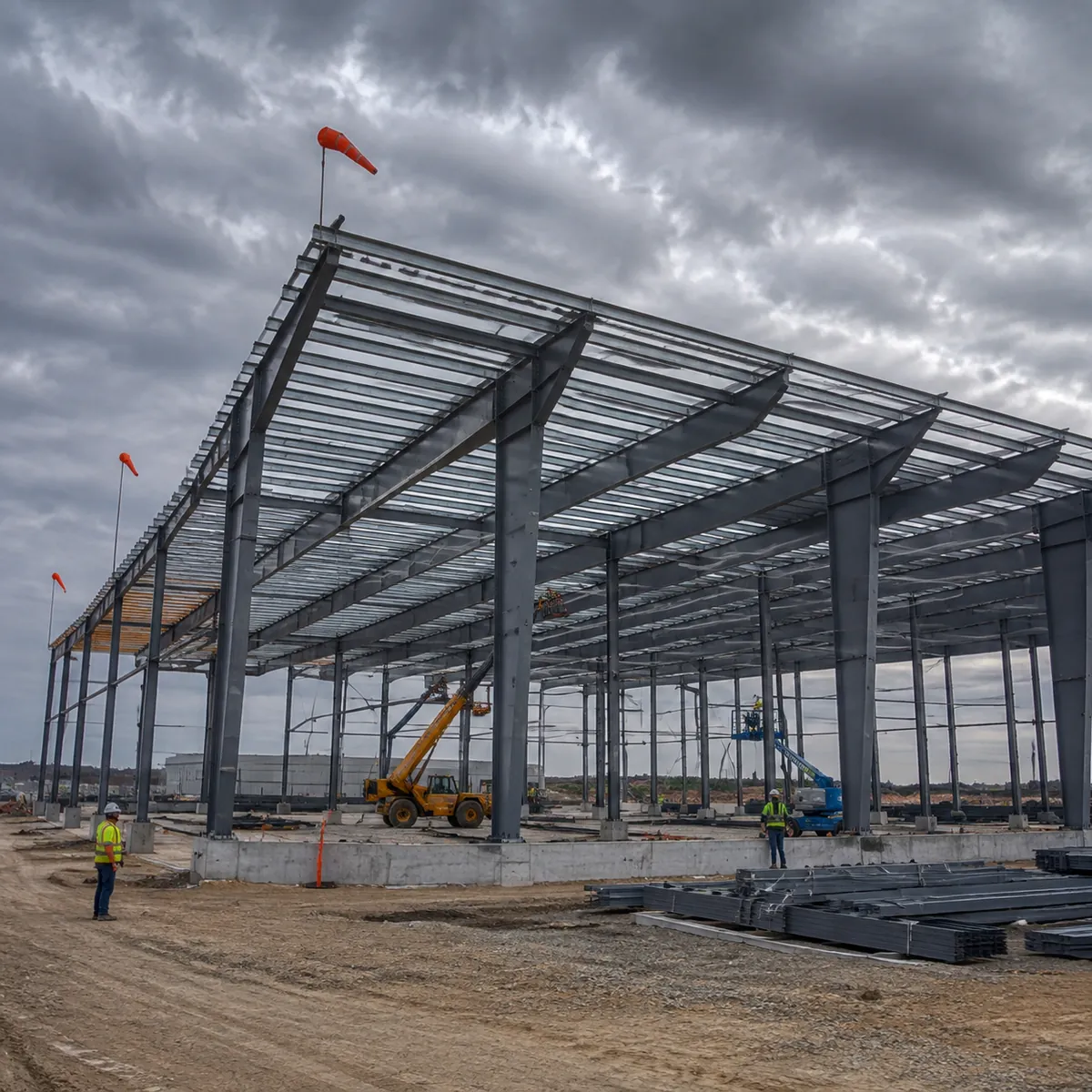
A PEB warehouse manufacturer prices steel by the ton, and the tonnage is decided by the design loads before any column is cut. Wind load on the frame and snow load on the roof are usually the two biggest drivers: raise the design wind speed or the snow ground load and the members get heavier, the price climbs, and the quote you received for one region cannot be applied to another. This guide explains how loads translate into steel weight and what to check before you ask a manufacturer for a number.
How design loads enter a PEB quote
A pre-engineered building quote starts with a design basis: the site location, the building dimensions, and the governing loads — wind, snow, seismic where required, plus dead and live loads. The manufacturer’s engineers then size the frame members to satisfy those loads, and the steel weight follows. The same 1,000 sqm warehouse can differ in tonnage by a meaningful margin between a low-wind, low-snow site and a high-wind, high-snow site. That is why two PEB manufacturers quoting the same building for different regions can look as if they are quoting different buildings.
For the full set of design documents to expect, our pre-engineered steel building load tables guide lists what the engineer fixes before fabrication.
Why do PEB quotes for the same building differ between regions?
Because the governing loads differ. A high-wind site needs a heavier frame and more bracing, a high-snow site needs a heavier roof system. The manufacturer designs to the local code, so the steel weight — and the price — follows the loads.
Wind load: span, height and exposure
Wind load on a PEB warehouse grows with the building height, the clear span and the site exposure — open terrain lets the wind build speed, while nearby buildings and trees reduce it. The local code defines a basic wind speed for the region, and the manufacturer applies the exposure and height factors to that number. Taller eave heights and wider spans increase the frame wind area, which pushes the columns and rafters heavier and adds bracing.

| Wind factor | Effect on frame | What to check in the quote |
|---|---|---|
| Basic wind speed | Sets the design pressure | Code reference and speed used |
| Exposure category | Adjusts pressure by terrain | Open vs suburban terrain assumed |
| Eave height | Increases frame wind area | Same height used in all quotes |
| Clear span | Heavier rafters and columns | Span stated in the design basis |
Snow load: the roof system driver
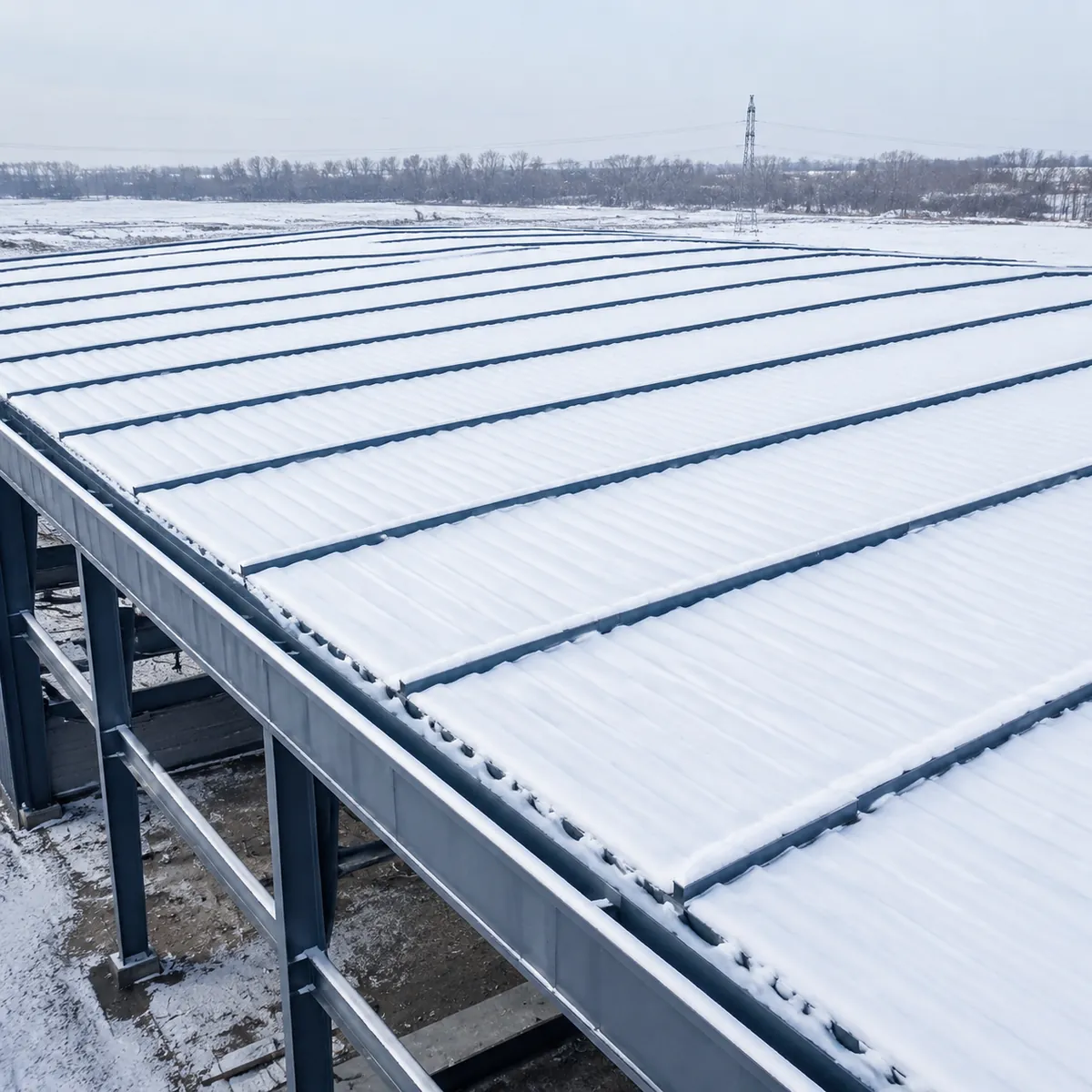
Snow load acts on the roof, and it drives the roof members: purlins, rafters and the roof bracing. The design snow ground load comes from the local code and depends on altitude and region; the roof load is derived from it with shape and drift factors. In heavy snow regions the roof steel can weigh significantly more than in a no-snow region, and the cladding spec may also change to carry the accumulation. If the supplier quotes a snow load that looks low for your region, ask for the code reference before accepting the number.
Snow also interacts with insulation: a heavier roof system plus insulation panels changes the cladding dead load, which the frame must carry. Our cost per square meter guide covers how insulation moves the price.
Why the same warehouse is quoted differently in two regions
Take one warehouse design and request quotes for a coastal high-wind site and a mountain high-snow site: the wind site needs a heavier frame and more bracing, the snow site needs a heavier roof system, and both differ from a mild-climate site. The manufacturer cannot reuse one design for all three without over-designing or under-designing. A responsible quote states the design basis openly; a quote without loads is a guess that will surface later as a change order.
For a regional example of how loads and costs combine, our steel building price guide for Saudi Arabia shows the same logic applied to a hot, windy market.
Getting the load data right before you ask for price
Send the manufacturer your site location, the design code you want used, the building dimensions and the intended use. The supplier needs the local basic wind speed and snow ground load — either from the code table for your region or from a local engineer — to produce a real quote. If you do not have the numbers, ask the manufacturer to use a stated default and confirm it in writing, then have a local engineer validate it before fabrication.
Can I reduce the steel weight to cut the price?
Within the code, yes: choosing standard bay sizes, avoiding excessive eave heights and accepting a moderate span reduce the design load effect and the tonnage. The trade-off is usually operational — the building gets cheaper but less flexible. Weight is the output of the design; the inputs are the loads and the geometry.
FAQ
How do wind loads affect a PEB warehouse quote?
Wind load sets the design pressure on the frame, which grows with height, span and open exposure. Higher design wind speeds mean heavier columns, rafters and bracing, and a higher steel tonnage in the quote.
How do snow loads affect a PEB warehouse quote?
Snow load drives the roof members: purlins, rafters and roof bracing. Heavy snow regions require a heavier roof system, which adds steel weight and cost compared with a no-snow design.
What load information should I send a PEB warehouse manufacturer?
Your site location, the design code, the building dimensions and the intended use. Ideally include the local basic wind speed and snow ground load from the code table or a local engineer, so the quote is based on real numbers.
Can the steel weight be reduced to lower the price?
Yes, within the code: standard bay sizes, moderate spans and realistic eave heights reduce the design load effect and the tonnage. The trade-off is operational flexibility, so confirm the design basis before cutting weight.
Why is one quote heavier than another for the same building?
The difference is usually the design basis: different wind speeds, snow loads, code references or exposure assumptions. Always compare quotes on the same stated loads before evaluating price.
Getting PEB warehouse quotes from different regions? Send your site location, dimensions and the local load data, and we will confirm the design basis so every quote is priced on the same steel weight.