
PEB Warehouse Manufacturer: What a Pre-Engineered Building Factory Actually Delivers

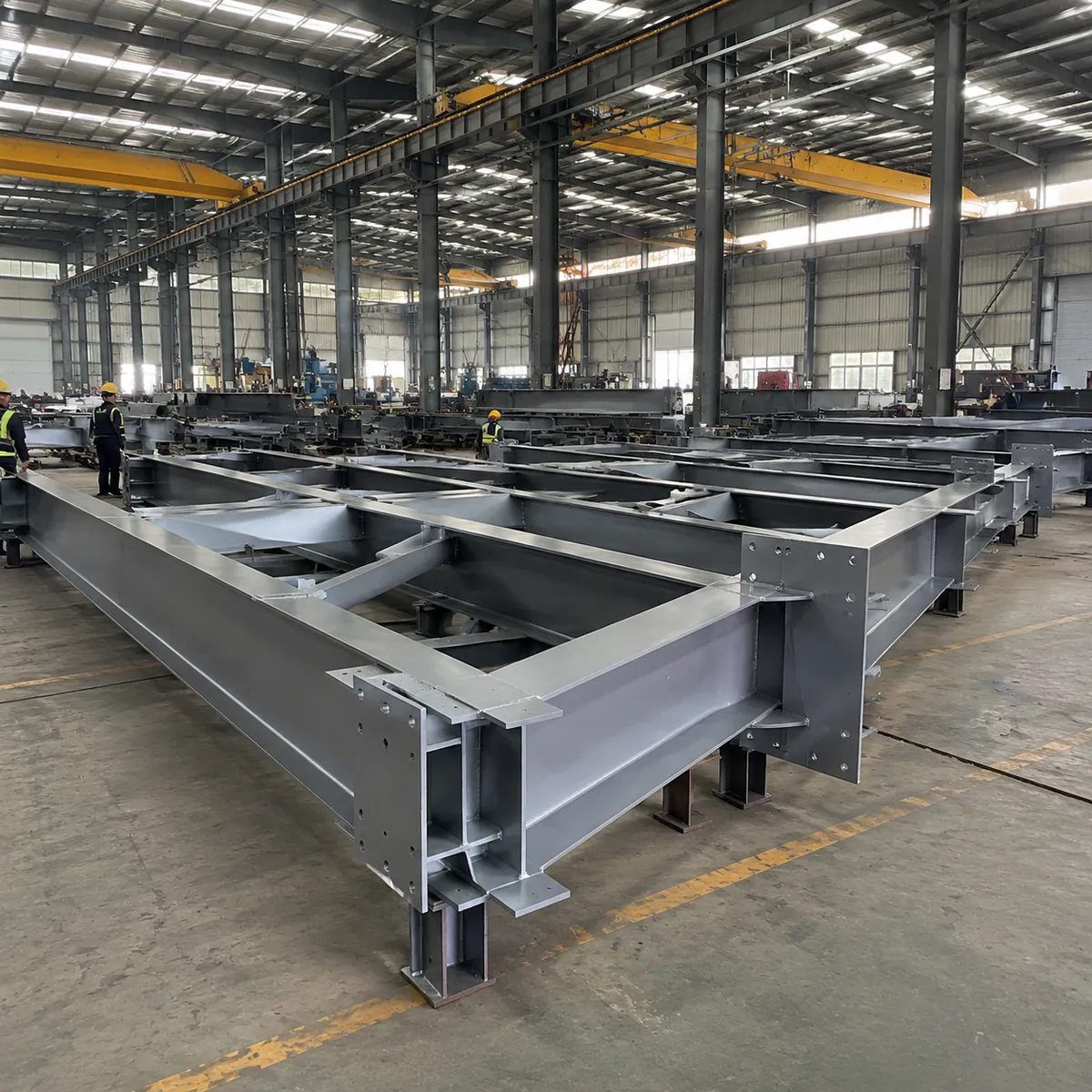
When you order from a PEB warehouse manufacturer, you are buying a system, not just steel. The factory delivers a designed, fabricated and packed building kit: engineering documents, cut and welded frames, cladding and accessories, export packing and the paperwork to clear customs. What it usually does not deliver is the foundation, the erection crew and the local permits. Knowing the boundary between factory scope and site scope is the fastest way to avoid budget surprises.
What PEB means for your warehouse project
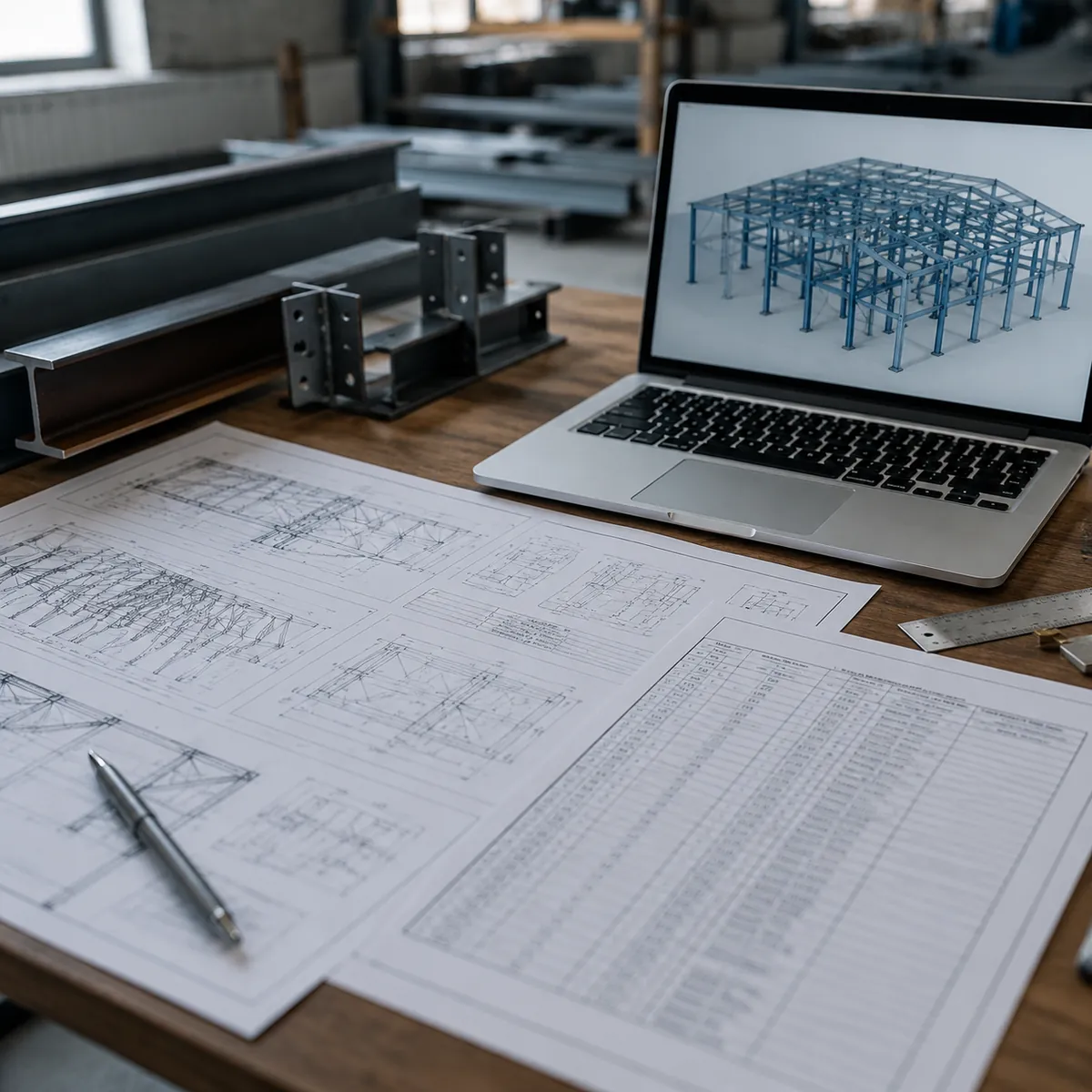
PEB stands for pre-engineered building: the manufacturer’s engineers design the frame with standard systems — tapered columns, rafters and a defined bracing layout — customized to your width, length, height and loads. The benefit is speed and efficiency: the engineering is largely systemized, fabrication is repeatable, and the steel tonnage is optimized for the design loads. You still get a building designed for your site, but it is built on proven components rather than a completely bespoke frame.
What the factory delivers
A complete PEB supply package normally contains five parts. Knowing them lets you check every shipment against the contract.
| Deliverable | What it includes | Why it matters |
|---|---|---|
| Design package | Calculations, GA drawings, shop drawings | Basis for fabrication, erection and local approval |
| Fabricated steel | Columns, rafters, purlins, girts, bracing, base plates | The structural frame of your building |
| Cladding and accessories | Roof/wall panels, flashings, fasteners, gutters, doors | Turns the frame into a closed-in building |
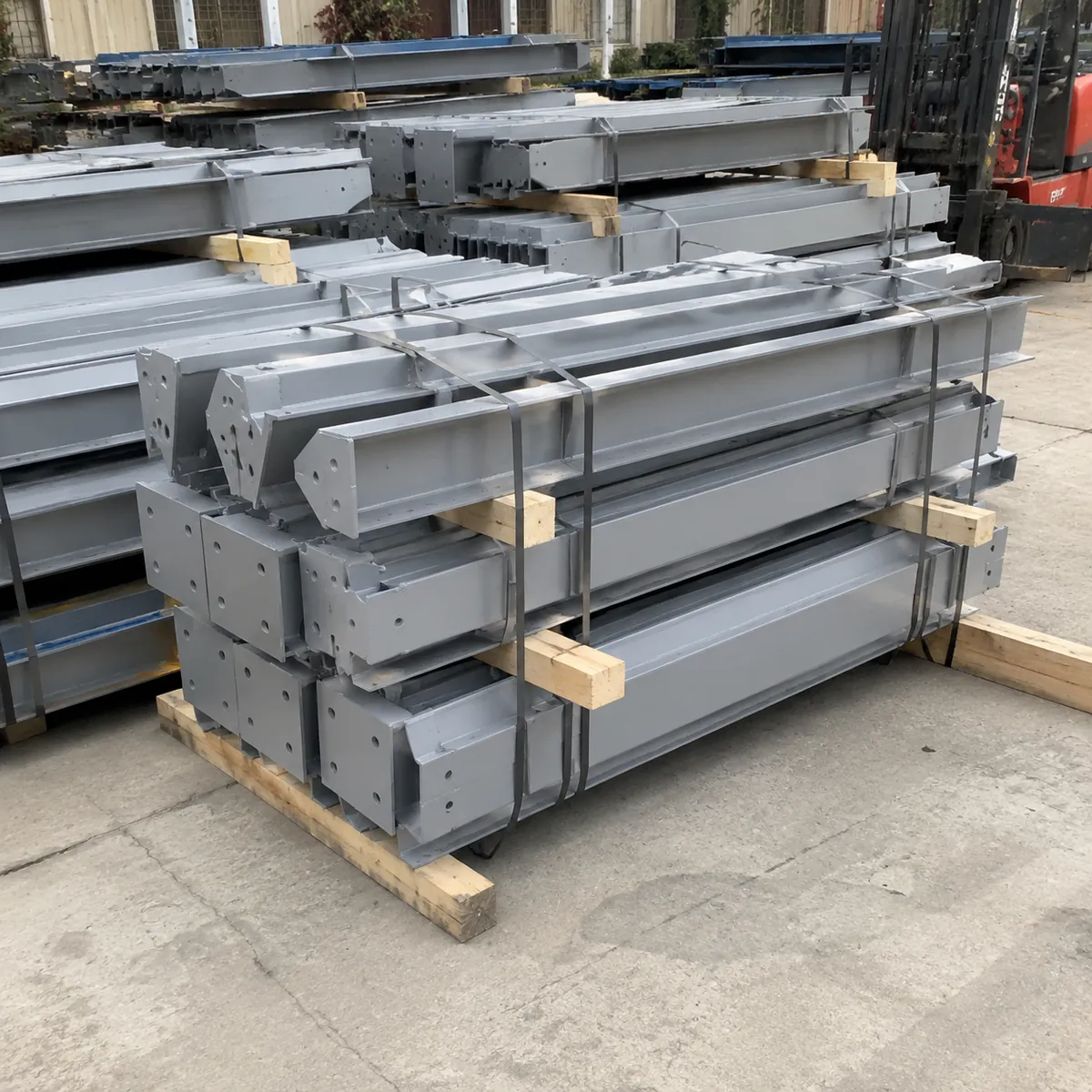
| Surface treatment and packing | Shot blasting, paint, sea-worthy packing, fumigation | Protects the steel in transit and storage |
| Documents | Packing list, commercial invoice, mill certs, drawings | Customs clearance and quality traceability |
Is a PEB warehouse cheaper than a conventional steel building?
Usually yes for warehouses in common sizes, because the engineering is systemized and the steel tonnage is optimized. The exact difference depends on span, height and design loads — a bespoke frame can be more economical for unusual geometries. Compare quotes on the same scope to see the real gap.
What is NOT in the factory scope
Foundations are designed and built on your side — the factory gives you foundation reactions and the anchor bolt plan, and a local engineer turns those into footings. Erection is usually separate, though many manufacturers offer erection teams or can recommend one; see our steel building supplier pages for installation guidance and the crew and crane needs. Local permits, soil investigation and site preparation are always the buyer’s responsibility. If a supplier quotes “turnkey”, ask exactly which of these items are included and which are extra.
How to evaluate a PEB warehouse manufacturer
Start with the design capability: ask which code the design follows, whether the engineering is done in-house or outsourced, and whether you receive calculation summaries. Then check fabrication: workshop photos or a video call, equipment list and QC records. Then check references: export records and projects shipped to your region. Finally, compare the deliverables list above against their quotation — a quote that omits a deliverable is not cheaper, it is simply incomplete. For the engineering side, our pre-engineered steel building guide covers what the engineer fixes before fabrication.
How long does a PEB warehouse order take?
From confirmed drawings to shipment, a typical PEB order takes several weeks to a few months depending on size and factory workload. Design approval is usually the first milestone, so the fastest way to shorten the schedule is to approve drawings quickly and avoid late changes.
Packing and documents for export
Sea-worthy packing matters more than it looks. Steel frames are heavy and long, and a bad packing plan means bent members at the port. Confirm the packing method — bundles with steel separators, containerized small parts, fumigation where required — and ask for photos of the loaded containers before shipment. The document package should be agreed at order time: commercial invoice, packing list, bill of lading, mill certificates and drawings; our mill certificate guide explains what to check in the material documents.
FAQ
What does a PEB warehouse manufacturer deliver?
A complete supply package: design documents, fabricated steel frame and secondary members, cladding and accessories, surface treatment and sea-worthy packing, plus export documents. Foundations, erection and local permits are usually outside the factory scope.
Is PEB the same as prefabricated steel?
PEB (pre-engineered building) is a specific prefabricated approach where the manufacturer uses standardized frame systems customized to your loads and dimensions. All PEB buildings are prefabricated, but not all prefabricated steel buildings use a PEB system.
Do I need a local engineer if I buy from a PEB manufacturer?
Yes, for the parts the factory cannot do: foundation design from the supplier’s reaction data, and local code approval. The factory provides calculations and drawings; a local engineer adapts the foundations and handles site-specific requirements.
What documents should a PEB supplier provide with shipment?
Commercial invoice, packing list, bill of lading, mill certificates for the steel, and the design and shop drawings. Agree the full document list at order time so customs clearance is not delayed.
Planning a PEB warehouse? Send your dimensions, site loads and destination port, and we will confirm the full deliverables list and lead time for your project.