
Steel Structure Supplier: Direct Factory vs Trading Company vs Agent

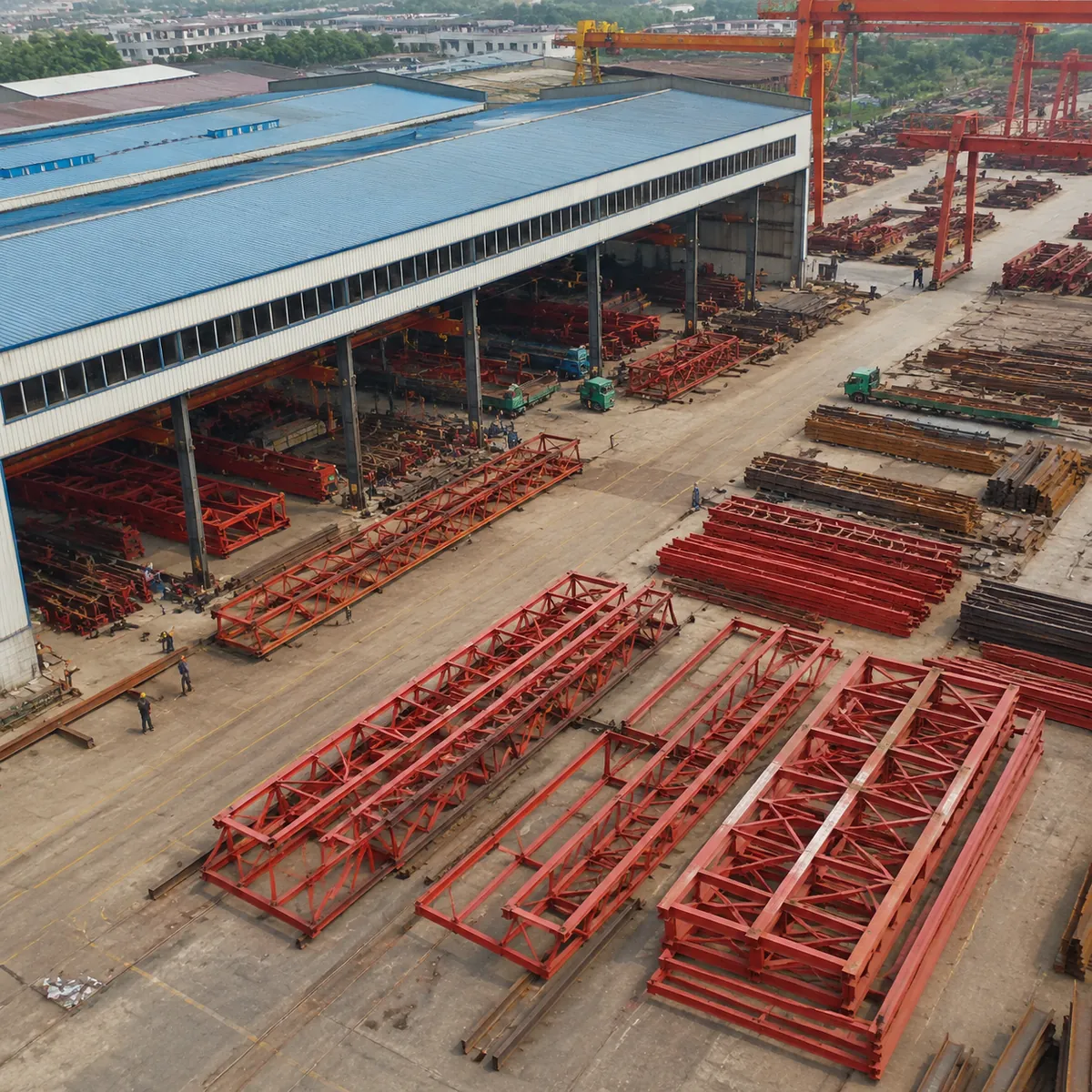
The label “steel structure supplier” covers three very different businesses: a factory that fabricates the steel, a trading company that buys from factories and resells, and an agent who brokers the deal for a commission. All three can deliver a building that works — and all three can also cost you time and money if you do not know which one you are dealing with. This guide explains how to tell them apart, what each channel actually controls, and where the price and risk differences show up.
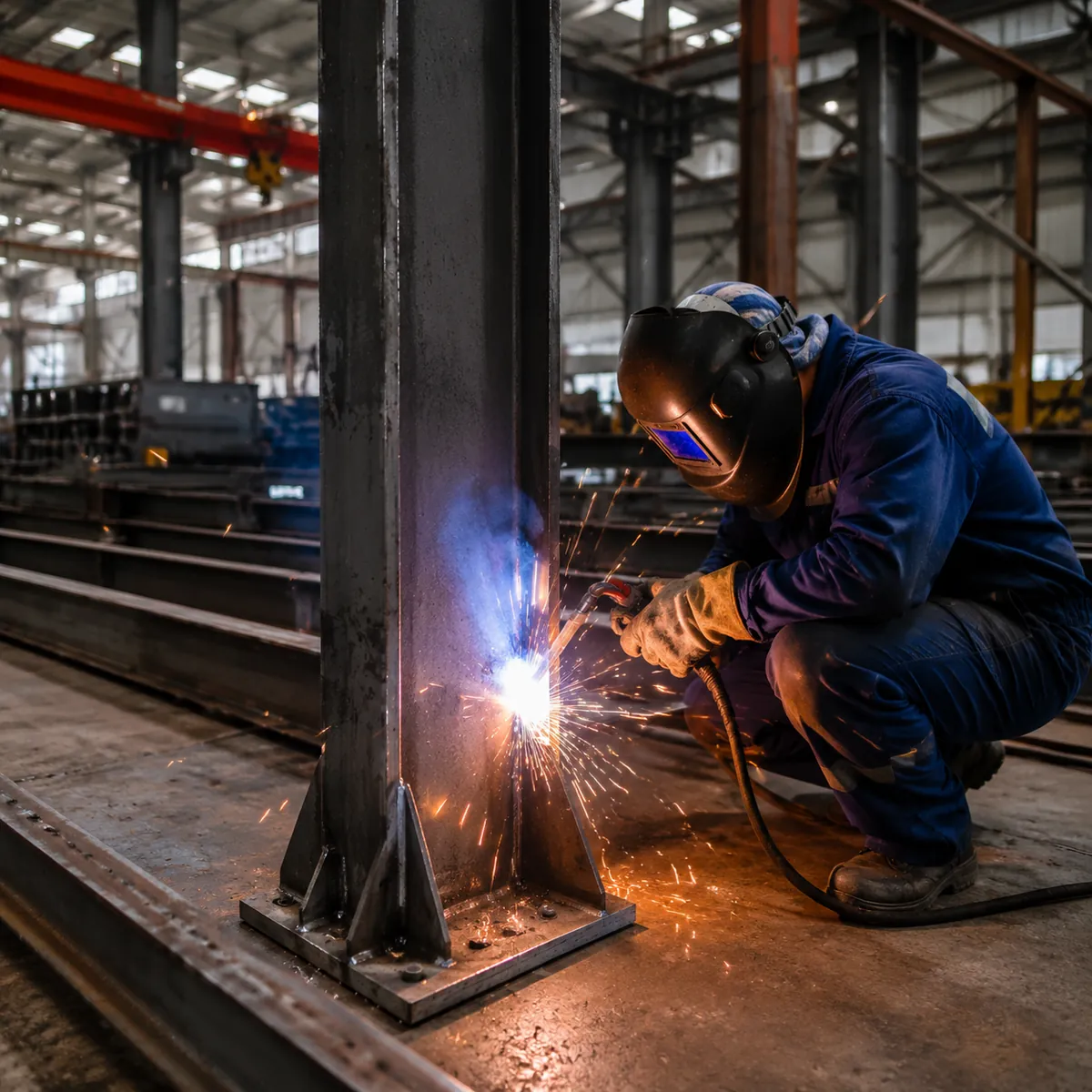
Direct Factory, Trading Company or Agent: What Each One Controls
The practical difference is control. A direct manufacturer controls the fabrication line, the coating process, the packing and the delivery schedule, so it can answer detailed questions about welding standards, plate thickness and production capacity. A trading company controls the commercial side — it selects a factory, negotiates the price, and handles export — but the actual workshop is someone else’s. An agent typically controls neither; it earns a commission on the deal and depends on the factory to deliver.
None of these is automatically bad. A good trading company can be a useful partner for buyers who cannot manage multiple suppliers, and an agent with local language skills can smooth communication. The risk is paying a manufacturer’s margin without getting a manufacturer’s control — or worse, discovering mid-project that the “factory” has no production line of its own.
Can a trading company still be a good steel structure supplier?
Yes, if it is transparent and well managed. Many export orders are fulfilled successfully through trading companies that work with reliable factories. The key is to verify the actual factory before signing — ask for the factory name, confirm the manufacturing scope, and request evidence of production capacity. A trading company that hides its factory is a red flag; one that introduces you to the workshop and lets you audit it can be a perfectly good partner.
How to Tell a Real Manufacturer from a Trader
You do not need to become a sourcing expert to spot the difference. A few practical checks do most of the work:
- Business license scope: a manufacturer’s registered scope includes steel structure fabrication or manufacturing; a trader’s scope usually includes import/export and sales.
- Factory evidence: ask for current photos or a video call from the workshop floor. A genuine factory can show cutting, welding and coating lines within minutes.
- Production records: real fabricators can quote machine capacities (plate thickness, beam length) and current shop load. Traders usually answer with brochure language.
- Documents: manufacturers issue their own material certificates and mill test reports; traders pass on documents from the factory they bought from.
- Payment and contract: manufacturers can sign fabrication agreements with technical specs; traders often prefer simpler commercial contracts.
For a deeper factory audit process, see our how to choose a steel structure manufacturer in China guide, which covers the full checklist.
Price Differences and Where the Risk Shows Up
Prices differ between channels because margins stack. A direct factory prices its own production cost plus margin. A trading company adds its margin on top of the factory price. An agent adds commission on top of that. The result is that the same building can carry a very different price depending on the channel — and a surprisingly low price is not always a bargain, because scope, material grade and payment terms also differ.
The risk usually shows up in three places: quality control (who inspects the steel before shipment), schedule control (who answers when fabrication falls behind), and after-sales support (who responds when a missing bolt or wrong part shows up on site). Before choosing a channel, decide which of these matters most for your project and write it into the contract.
Comparison: Factory vs Trading Company vs Agent
| Factor | Direct factory | Trading company | Agent |
|---|---|---|---|
| Owns production line | Yes | No | No |
| Technical depth | High — engineers and shop floor | Medium — depends on factory | Low — commercial only |
| Price position | Factory margin only | Factory + trading margin | Factory + trading + commission |
| Quality control | Direct control | Arranged with factory | Depends on factory |
| Best for | Repeat buyers, custom designs, big orders | Small orders, buyers new to sourcing | Local-language support, small deals |
Checklist Before You Sign with Any Steel Structure Supplier
Whatever channel you choose, the contract should name the actual fabricator. Add these points:
- Scope of supply: frame, cladding, fasteners, drawings — line by line.
- Material specification and grades, with mill certificates required.
- Production schedule with milestones and penalties for delay.
- Inspection rights: your inspector or a third party can visit during fabrication.
- Packing, marking and shipping terms (ex-works, FOB, CFR, DDP).
- Defect and missing-parts remedy after delivery.
If you are sourcing a warehouse specifically, our prefab steel warehouse overview explains the standard package, and this supplier selection guide covers project-by-project criteria.

FAQ
What is the difference between a steel structure manufacturer and a supplier?
A manufacturer fabricates the steel components in its own workshop. A supplier is a broader term that can mean a manufacturer, a trading company or an agent that provides the building from a factory. Always confirm which one you are contracting with before signing.
Should I buy directly from a Chinese steel factory?
Direct buying gives you more control over quality, price and schedule, but it requires you to manage technical communication and export documentation. If you are comfortable with that, direct is often the better value. If not, a transparent trading company can handle it for you — just verify the factory behind it.
How can I verify a steel structure supplier’s factory?
Ask for the registered business license scope, request a live video call from the workshop, and check production records such as machine capacity and current orders. Third-party factory audits and trade records are additional confirmation. A supplier that avoids these checks is a warning sign.
Why are quotes from different suppliers so different for the same building?
Because scope, material grade, coating system, packing and payment terms all vary, and because the channel margin differs. Compare quotes line by line rather than by total price, and confirm what is included in each item.
Talk directly to a steel structure manufacturer. Send your building drawings or size requirements, and our engineering and production team will respond with scope, schedule and price from the factory floor — no intermediary margin.