Steel Building in Kenya: Import Duties, Lead Times and Local Assembly

Importing a steel building into Kenya works in four clear stages: classify the kit under EAC import rules, clear it through Mombasa port, move it to site, and assemble it with a local crew. The buyers who budget correctly treat import duties, lead time and local assembly as one plan, not three separate surprises. This guide walks through each stage with the numbers you should confirm before signing.
What import duties apply to steel buildings in Kenya?
Steel building kits are normally declared under HS heading 7308 (structures and parts of structures of iron or steel), but your supplier’s commercial invoice may split the shipment into frames, cladding, fasteners and accessories, and each line can be classified differently. That split changes the duty base, so ask the factory to provide a packing list that matches the customs declaration.
Under the East African Community Common External Tariff, most steel structures attract import duty plus VAT, and Kenya applies an Import Declaration Fee and a Railway Development Levy on most goods. Rates are revised periodically, so do not build a budget on a rate you read in an old article. Confirm the current rate with the Kenya Revenue Authority or your clearing agent before you lock a quotation, and ask the supplier to quote on DDP terms if you want one accountable number.
What is a realistic lead time for a steel building in Kenya?
A typical supply chain from factory to Nairobi looks like the table below. Treat the ranges as planning figures, not promises — project size, season and port congestion all move them.
| Stage | Typical duration | What actually happens |
|---|---|---|
| Design and shop drawings | 1–2 weeks | Engineers adapt the standard frame to your wind load, roof slope and door openings |
| Fabrication | 3–5 weeks | Steel cut, welded, drilled, painted or galvanized in the factory |
| Sea freight China → Mombasa | 25–35 days | Frames are flat-packed and containerized to protect them in transit |
| Port clearance | 3–7 working days | Duty payment, inspection and container release through the Kenya TradeNet single window |
| Inland transport | 1–3 days | Container trucking to Nairobi, Naivasha, Mombasa site or upcountry |
| Erection and assembly | 2–6 weeks | Foundation, frame erection, cladding and accessories with a local crew |
Order the design freeze early. The single biggest cause of delay we see in East Africa projects is not shipping — it is drawings changing after fabrication starts. Freeze the layout, door positions and crane requirements before production begins.
How does Mombasa port clearance actually work?
Kenya uses a single window system (Kenya TradeNet) where the declaration, duty assessment and release are processed electronically. In practice you still need a licensed clearing agent, original shipping documents, and enough cash or an approved deferment for the duty bill. Containers can be delayed by inspection queues, so plan 3–7 working days rather than assuming same-day release.
If your site is upcountry, you also have to decide whether to clear in Mombasa or use transit procedures to an inland container depot. Clearing at the port and trucking under bond to an ICD (for example in Nairobi) is a common pattern, but the transit bond adds paperwork. Ask your clearing agent which route actually saves money for a single shipment.
What does local assembly involve?
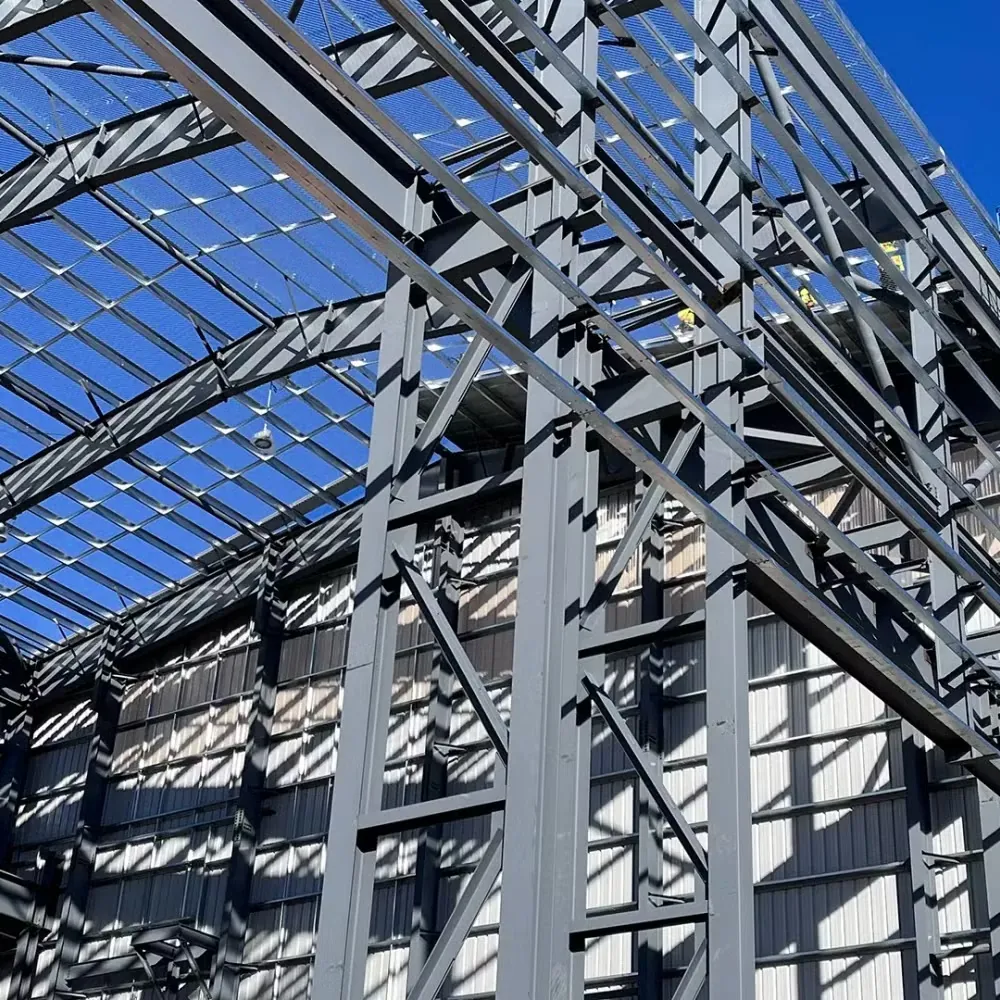
Prefabricated steel buildings are assembled on site with bolted connections, so the erection crew works from a sequence plan rather than a welder’s bench. Before the frames arrive you need a finished foundation with anchor bolts cast to the shop-drawing tolerances, a crane or boom truck for the frame members, and a crew that has read the erection manual.
The usual sequence is: check foundation levels, set the first portal frame, brace it, then work along the bay. Roof cladding and wall panels follow the frame. Rain interrupts cladding work, so most buyers in Kenya schedule assembly in the dry season or budget for weather delay. A small workshop can be up in two to three weeks with a six-to-eight-person crew; a large warehouse with crane beams takes longer and needs more equipment.
For more on what happens before the kit ships, read our guide on steel building export packaging and shipping documentation, and our checklist of steel building payment terms if you are comparing T/T and L/C offers.
Budget checklist for a Kenyan project
| Cost item | Who owns it | Planning note |
|---|---|---|
| Import duty, VAT, IDF, RDL | Buyer | Confirm current EAC rates with KRA or your clearing agent |
| Sea freight and port charges | Usually buyer | Get a quote per container, not per ton |
| Inland trucking | Buyer | Distance and road condition drive this; weighbridge fees add up |
| Foundation and site works | Buyer | Soil test first; anchor bolt setting is part of this cost |
| Erection crew and crane hire | Buyer | Ask your supplier for a recommended crew size and equipment list |
| Local permits and inspections | Buyer | County building approvals vary; check before ordering |
FAQ
Can a Chinese steel building supplier handle Kenyan import paperwork?
Most exporters provide the commercial invoice, packing list, bill of lading and often a certificate of origin, but customs clearance in Kenya is done by a local clearing agent. Ask your supplier for a DDP (delivered duty paid) quotation if you want them to coordinate the whole chain.
Is a steel building in Kenya cheaper than concrete construction?
Steel usually wins on speed and foundation load, while concrete can look cheaper per square meter on paper. Compare lifecycle cost — foundation, erection time and future expansion — not just the material bill, and get a local contractor to price both.
Do steel buildings need special approval in Kenya?
Most counties require building plan approval, and larger industrial buildings may need structural drawings stamped by a registered engineer. Check with the county offices where the site is located, because requirements differ between Nairobi, Mombasa and rural counties.
What is the best time of year to assemble a steel building in Kenya?
Long rains usually run March–May and short rains around October–December. Cladding work is weather-sensitive, so buyers commonly target the dry windows or accept a longer schedule.
Planning a steel building for Kenya? Send your site dimensions and project location to our engineering team and get a frame design, packing list and delivery schedule tailored to East Africa.