
Single Skin vs Insulated Sandwich Panels for Steel Building Roofs and Walls

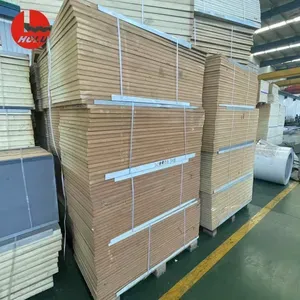
Single-skin cladding and insulated sandwich panels are the two main ways to close in a steel building, and the choice changes both the building budget and how it performs for decades. Single-skin sheets are the lower-cost option: one layer of profiled steel attached directly to the purlins and girts. Sandwich panels add a rigid insulation core between two steel faces, giving you the structure, insulation, and finished liner surface in one panel. This guide compares the two systems so you can specify the right envelope for heated, unheated, and conditioned buildings.
What Single-Skin Cladding Gives You
A single-skin building is fast to erect and cheap per square meter. The profiled steel sheet is the structure, the weather barrier, and the finish at the same time. For an unheated warehouse or workshop, single skin is often the correct choice: the building is a shelter, not a conditioned space.
The limitation appears as soon as you want to control the temperature. Without insulation, a metal building conducts heat quickly, sweats in humid conditions, and produces noise in rain and wind. If the operation is heating or cooling the space, the running cost of an uninsulated envelope usually dwarfs the small saving on the cladding itself.
What Sandwich Panels Change
A sandwich panel combines three functions in one element: the outer steel face sheds weather, the core insulates, and the inner face gives a clean interior surface. Because the panel is one piece, there is no separate liner sheet and no cavity for air to move through, which is what makes sandwich panels much more effective at stopping heat flow than a single skin with field-installed insulation.
The panels are factory-made with a defined core thickness, so the thermal performance is known before the material arrives on site. Common cores are PIR and PU foam, with mineral wool as a fire-safer alternative for walls in certain applications. The panel thickness is chosen from the U-value you need, and the supplier should state the value for the exact panel and thickness in your quotation.
Single Skin vs Sandwich Panel: Direct Comparison
| Item | Single-skin cladding | Insulated sandwich panel |
|---|---|---|
| Number of layers | One profiled steel sheet | Two steel faces with an insulation core |
| Thermal performance | Very low insulation value alone | Defined U-value from the core thickness |
| Condensation risk | Higher, unless a liner and insulation system is added | Lower when detailed with correct vapor control |
| Interior finish | Bare steel, or add a separate liner | Clean inner face included |
| Material cost | Lower per square meter | Higher per square meter |
| Erection | Fast, simple lap details | Slightly more handling care, still fast |
| Running energy cost | High if the space is heated or cooled | Much lower for conditioned buildings |
| Best fit | Unheated warehouses, workshops, farm buildings | Offices, cold stores, conditioned production, climate-controlled storage |
Do not compare the panel price to the sheet price alone. If a single-skin building needs insulation to operate, you are actually comparing a sandwich panel against a composite system of sheets, insulation, liner, and fixings, and the sandwich panel is often the simpler and more reliable assembly.
When Single Skin Is the Right Answer
Choose single-skin cladding for buildings that do not need temperature control: storage of non-sensitive goods, maintenance workshops, equipment shelters, and agricultural buildings. In hot climates, an uninsulated building can still be comfortable if it is designed with good ventilation, because the building is shading the space rather than conditioning it. If the temperature swings inside are acceptable to the operation, the lower envelope cost is the correct saving.
When Sandwich Panels Pay for Themselves
Sandwich panels earn their premium whenever the building must hold a temperature: offices inside the warehouse, cold storage, food processing, electronics assembly, and any production area with heat or cooling loads. The energy saving is not a theoretical benefit: the difference between a single-skin roof and an insulated panel roof is often visible in the first year of utility bills.
Sandwich panels also help with condensation control, which matters in humid climates and in buildings with vapor-producing processes. The inner face stays closer to the interior temperature, so moisture is less likely to form on the surface and drip onto goods or machinery.
Specifying the Envelope Correctly
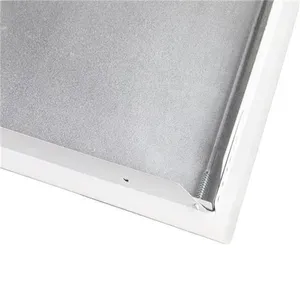
Whatever system you choose, the envelope needs a complete specification, not just a panel thickness. State the required U-value, the climate zone, the interior temperature you need to hold, and whether the space is humid or dry. The supplier can then choose the panel core, thickness, and joint details. For an existing overview of wall and roof systems, see our guide to steel building cladding and envelope specification.
Also confirm the following before ordering: the panel manufacturer and core material, the tested U-value, the fire classification if your project needs one, and the fixing and sealing details at eaves, ridges, and openings. These details decide whether the building performs as the panel data sheet promises.
Common Mistakes When Choosing an Envelope
- Pricing the panel against the sheet. Compare complete assemblies: sheet plus liner plus insulation versus one sandwich panel, including fixings.
- Ignoring condensation. In humid climates an uninsulated or badly insulated envelope can produce persistent interior condensation.
- Choosing thickness by price alone. The core material and tested U-value matter more than the visual thickness.
- Forgetting the liner. A single-skin building with a bare interior may need a separate liner sheet for a clean or safe interior finish, which adds cost back.
Final Word: Match the Envelope to the Operation
The envelope is a long-term cost decision, not a first-purchase decision. An unheated storage building is served well by single-skin cladding at the lowest price. A conditioned building needs a defined U-value, and insulated sandwich panels are usually the simplest way to get it with a clean interior finish. Match the system to how the building will actually be used, and the budget will follow.
Tell our team what temperature and humidity your building must hold, and we will recommend the panel core, thickness, and envelope detail that meets your requirement. Contact our team to discuss your cladding specification.
FAQ
What is the difference between single-skin and sandwich panel cladding?
Single-skin cladding is one layer of profiled steel attached to the frame. A sandwich panel has two steel faces with an insulation core, providing structure, insulation, and a finished inner surface in one factory-made element.
Are sandwich panels worth the extra cost?
For heated, cooled, or humid buildings, usually yes, because the energy saving and condensation control are worth more than the panel premium over the building’s life. For unheated shelters, single skin is usually the better value.
What U-value should I specify for a steel building?
It depends on the local climate and the interior temperature you need to hold. Ask your supplier to state the tested U-value for the exact panel and thickness in the quotation, and confirm it against your local code requirements.
Can I insulate a single-skin building later?
Yes, but adding insulation to an existing building usually means fitting a liner system and dealing with the interior, which is more expensive and disruptive than choosing sandwich panels in the first design.
Which panel core is better: PIR, PU, or mineral wool?
PIR and PU cores give high insulation per thickness; mineral wool offers better fire performance in certain applications. The right choice depends on the U-value you need and the fire classification required for your building type and region.
Request an Envelope Specification
Send us your building size, climate zone, and the temperature and humidity you need to hold, and our engineers will specify the cladding system that meets your requirement at the right budget. Contact our team to start.