
Nigeria Factory Building Steel Frame Guide for Lagos, Ogun and Port Harcourt Projects

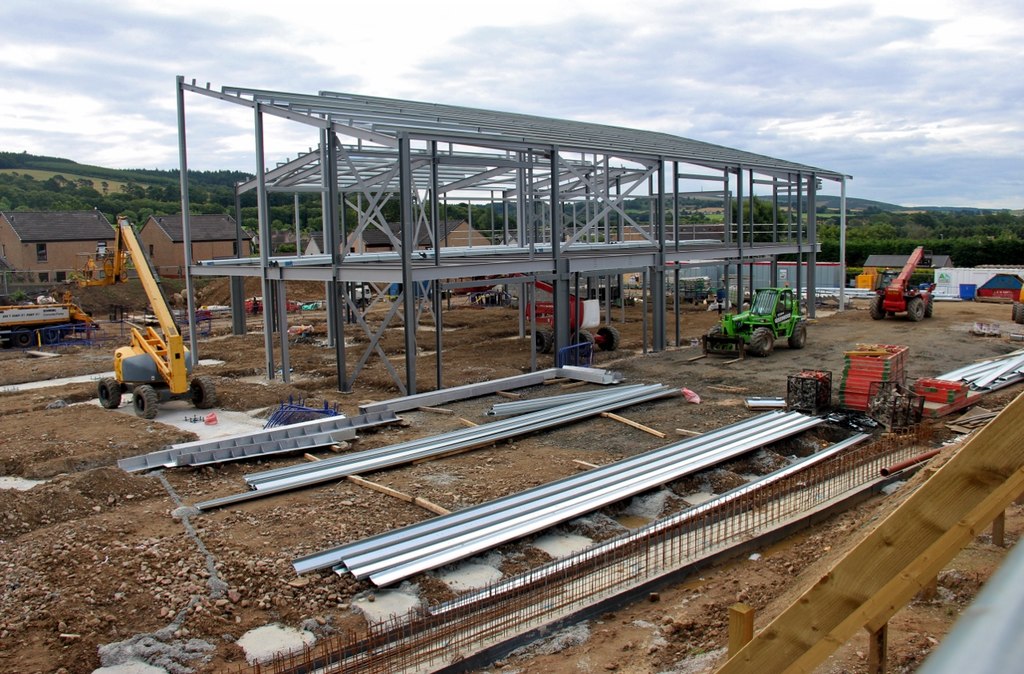
Nigeria Factory Building Steel Frame Guide for Lagos, Ogun and Port Harcourt Projects
For procurement teams planning a factory building steel frame in Nigeria, the lowest quoted tonnage is rarely the safest purchasing decision. A building in Lagos, Ogun State and Port Harcourt must fit the site climate, authority review, erection equipment, logistics route, future expansion plan and operating process. This guide is written for project owners, EPC contractors, industrial park developers, architects and purchasing managers who need a practical specification before asking factories for prices.
The focus is factory steel frame buildings for Lagos, Ogun and Port Harcourt manufacturing clusters. The same frame system may look simple in a sales drawing, but the final cost and delivery risk depend on column grid, roof slope, bracing layout, material grade, corrosion class, local approvals and the way containers are packed. A good request for quotation should tell the steel building factory what performance is required, not only the building length and width.
SteelStructurePrefab supplies pre-engineered steel buildings for export markets. Buyers can compare this guide with our prefab steel building supplier steel building products contact our engineering sales team South Africa industrial steel building guide Qatar prefab steel warehouse guide. Authority references for this market include SON Standards Organisation of Nigeria Lagos State Physical Planning Permit Authority World Bank Climate Knowledge Portal Nigeria.
Project fit and buyer brief
Start with a buyer brief that describes the actual operation. For Nigeria, a factory building steel frame may serve receiving, storage, processing, maintenance, packing, dispatch or mixed industrial work. The engineering team needs truck circulation, door positions, rack height, crane requirement, office block interface, fire compartment need and future bay extension direction. If the buyer only sends a rough floor area, suppliers may price a light frame that later needs expensive changes. A better brief lists the site coordinates, soil report status, authority code, target installation month, power and drainage interfaces, and clear exclusions such as foundations, fire pumps or internal MEP. Decision makers should also define whether speed, low first cost, long service life or thermal control has priority. In Lagos, Ogun State and Port Harcourt, port access, road permits and laydown space can affect member length and erection sequence. The right building concept is one that lets procurement, design and construction teams work from the same basis before contract signing.
- Confirm the responsible party for local permits and stamped calculations.
- Keep drawings, bill of materials and commercial scope under the same revision number.
- Check whether the quoted system includes gutters, downpipes, ridge ventilators, skylights, doors, windows, insulation and installation tools.
- Ask how damaged coating or missing fasteners will be corrected at site.
For procurement records, translate each technical point into an acceptance item. That approach helps contractors and owners compare several steel structure suppliers without losing the local requirements that control safety and cost.
Structural design basis for wind, snow and seismic actions
The design basis should be confirmed before price comparison. For Nigeria, the key actions include wind and rain design for large roof planes, seismic check where required by engineer, crane and mezzanine loads, and foundation reactions for variable soil bearing. Main frames are usually portal frames or truss frames, selected by span, height and service load. Secondary members include roof purlins, wall girts, tie rods, flange braces and bracing rods. Do not accept a quotation that says only ‘standard design’. Ask for the design code, load combinations, deflection limits, steel grade, bolt grade, welding standard and corrosion system. Roof uplift can govern purlin spacing and screw pattern. Tall walls need checked girt deflection so cladding does not rattle or leak. Crane buildings require runway beam design, column bracket forces and fatigue review. Seismic design affects bracing, anchor bolts and base plates. A realistic design note protects the buyer against later claims that local loads were outside the original offer.
- Confirm the responsible party for local permits and stamped calculations.
- Keep drawings, bill of materials and commercial scope under the same revision number.
- Check whether the quoted system includes gutters, downpipes, ridge ventilators, skylights, doors, windows, insulation and installation tools.
- Ask how damaged coating or missing fasteners will be corrected at site.
For procurement records, translate each technical point into an acceptance item. That approach helps contractors and owners compare several steel structure suppliers without losing the local requirements that control safety and cost.
Materials, fabrication and quality documents
A B2B buyer should treat material documents as part of the product. Main steel can be Q355, S355 or ASTM equivalent, subject to the selected code and mill supply. Plates should have heat numbers, certificates and traceability. Welding should be by qualified workers with visual and, where required, ultrasonic or magnetic particle inspection. Bolts for primary joints are usually high-strength friction or bearing type sets; anchor bolts are packed separately with templates. Cladding quality matters as much as steel tonnage. For hot climates or cold storage, insulation thickness and panel joint details affect running cost. For humid or coastal sites, zinc coating mass, primer thickness and edge protection affect service life. Before shipment, request packing lists, erection drawings, bolt lists, shop drawings, material certificates and coating inspection reports. These documents reduce site disputes and speed customs clearance.
- Confirm the responsible party for local permits and stamped calculations.
- Keep drawings, bill of materials and commercial scope under the same revision number.
- Check whether the quoted system includes gutters, downpipes, ridge ventilators, skylights, doors, windows, insulation and installation tools.
- Ask how damaged coating or missing fasteners will be corrected at site.
For procurement records, translate each technical point into an acceptance item. That approach helps contractors and owners compare several steel structure suppliers without losing the local requirements that control safety and cost.
Surface treatment and corrosion control
Corrosion planning should match the real exposure, not a generic paint line. state development permits, fire access planning, high rainfall, humid coastal air in Lagos and Port Harcourt, and road delivery limits for long fabricated members. Indoor dry storage may use shop primer plus finish coating. Coastal, poultry, chemical, fertilizer or wash-down areas need stronger protection such as hot-dip galvanizing for purlins and bracing, zinc-rich epoxy primer, intermediate coat and polyurethane finish. The buyer should specify dry film thickness, surface preparation grade, touch-up method and inspection standard. Hidden zones around base plates, gutters, fasteners and panel overlaps need special attention because they often fail first. In ammonia or salt-laden air, stainless or coated fasteners and sealed laps may cost more at purchase but reduce maintenance stops. A good supplier will explain coating choices and show how coating is protected during packing, sea freight and unloading.
- Confirm the responsible party for local permits and stamped calculations.
- Keep drawings, bill of materials and commercial scope under the same revision number.
- Check whether the quoted system includes gutters, downpipes, ridge ventilators, skylights, doors, windows, insulation and installation tools.
- Ask how damaged coating or missing fasteners will be corrected at site.
For procurement records, translate each technical point into an acceptance item. That approach helps contractors and owners compare several steel structure suppliers without losing the local requirements that control safety and cost.
Installation cycle and site management
A well-packed prefab steel building can be installed quickly, but only if foundations, anchor bolts, cranes and labor are ready. Typical erection steps are anchor bolt survey, first frame lifting, temporary bracing, frame alignment, secondary member installation, roof and wall cladding, trims, gutters, doors and final sealing. A 2,000-5,000 m² single-storey building often needs four to ten weeks after foundations are accepted; complex insulation, mezzanines, cranes or hangar doors add time. In Nigeria, plan deliveries around rainy seasons, heat stress, customs clearance and holiday periods. Site managers should protect panels from scratches, keep bolts sorted by mark, check plumbness before roof installation and record daily torque or alignment checks. Safety plans must cover lifting radius, working at height, edge protection and temporary bracing. Many problems come from rushing cladding before the primary frame is fully aligned.
- Confirm the responsible party for local permits and stamped calculations.
- Keep drawings, bill of materials and commercial scope under the same revision number.
- Check whether the quoted system includes gutters, downpipes, ridge ventilators, skylights, doors, windows, insulation and installation tools.
- Ask how damaged coating or missing fasteners will be corrected at site.
For procurement records, translate each technical point into an acceptance item. That approach helps contractors and owners compare several steel structure suppliers without losing the local requirements that control safety and cost.
Cost drivers and quotation range
Price per square meter is useful for early budgeting, but procurement should compare scope line by line. Tonnage changes with span, bay spacing, wind load, seismic force, crane load and roof insulation. Cladding price changes with coating, thickness, fire rating and panel core. Logistics cost changes with container count, member nesting, destination port and local transport route. A basic export shell may sit near the lower end of the range, while a high-bay insulated factory with crane beams, fire-rated panels, louvers, gutters, platforms and high coating grade can be much higher. Ask every bidder to separate design, main frame, secondary steel, cladding, accessories, bolts, freight, installation supervision and optional items. This makes negotiation fair and prevents a cheap offer from excluding items that the site must buy later.
- Confirm the responsible party for local permits and stamped calculations.
- Keep drawings, bill of materials and commercial scope under the same revision number.
- Check whether the quoted system includes gutters, downpipes, ridge ventilators, skylights, doors, windows, insulation and installation tools.
- Ask how damaged coating or missing fasteners will be corrected at site.
For procurement records, translate each technical point into an acceptance item. That approach helps contractors and owners compare several steel structure suppliers without losing the local requirements that control safety and cost.
Specification table for procurement review
Use the table below as a starting point for a technical comparison. The values are not final design limits; they are common ranges that help buyers identify missing information in early offers.
| Item | Typical specification | Procurement note |
|---|---|---|
| Clear span | 18-40 m typical; wider spans need deeper rafters | Warehouse aisles, workshop bays, hangar doors |
| Eave height | 6-12 m for storage and light manufacturing; 12-18 m for aircraft or high rack systems | Forklift masts, cranes, ventilation, dock doors |
| Steel grade | Q355/S355 or ASTM equivalent for main frames; Q235/S235 for secondary parts where suitable | Final grade matched to design code and mill certificates |
| Roof and wall cladding | 0.45-0.60 mm color steel sheet, PU/PIR/rock wool sandwich panel, skylight sheet as specified | Thermal control, fire rating, humidity, dust protection |
| Surface treatment | Shop primer, hot-dip galvanizing for secondary steel, or zinc-rich epoxy plus PU top coat | Coastal, humid, chemical or ammonia exposure |
| Installed budget range | USD 75-180/m² for common warehouse shells; higher for insulation, cranes, hangar doors or cold rooms | Budget only; final quote depends on loads, span, steel price and scope |
Common buyer questions
FAQ sections in B2B steel building projects should answer buying decisions, not general curiosity. Buyers in Nigeria usually ask about design responsibility, coating life, container packing, installation support, local code adaptation, warranty, drawing revision time and how to handle changes after deposit. The practical answer is to freeze the design basis early, keep a written approval path for drawings, and make the supplier confirm what is included in the scope. If a local engineer must stamp drawings, appoint that engineer before final fabrication drawings are released. If the building will expand later, request removable end-wall bracing or a planned future grid. If the project needs fast opening, buy anchor bolts early and prepare foundations while shop drawings are being checked.
How long does design approval take?
For a clear brief, preliminary drawings can often be prepared within one to two weeks. Final approval depends on comments from the owner, architect and local engineer.
Can the building be expanded later?
Yes, but the future direction should be shown in the first design so bracing, end frames and foundations do not block expansion.
What should be checked before shipment?
Check member marks, packing lists, coating reports, bolt quantities, cladding color, accessory schedule and the latest approved erection drawings.
What information is needed for a firm quote?
Send site location, building size, height, roof slope, door layout, crane or equipment loads, required insulation, coating preference, design code and destination port.
Purchasing advice for decision makers
For a factory building steel frame in Nigeria, the best purchase is not the lightest frame and not the longest accessory list. It is the package that proves load basis, material traceability, corrosion protection, installation method and local fitness. Ask bidders for three things: a one-page design basis, a marked scope sheet and a shipment packing plan. Then compare drawings, not only totals. When the project involves cold rooms, cranes, aircraft doors, poultry equipment or production lines, invite the equipment vendor to review clearances before steel fabrication. Finally, keep a contingency for local foundations, fire systems, site drainage and authority comments. A disciplined steel building package gives owners a faster start, fewer change orders and a structure that can be maintained in the climate of Lagos, Ogun State and Port Harcourt.
- Confirm the responsible party for local permits and stamped calculations.
- Keep drawings, bill of materials and commercial scope under the same revision number.
- Check whether the quoted system includes gutters, downpipes, ridge ventilators, skylights, doors, windows, insulation and installation tools.
- Ask how damaged coating or missing fasteners will be corrected at site.
For procurement records, translate each technical point into an acceptance item. That approach helps contractors and owners compare several steel structure suppliers without losing the local requirements that control safety and cost.
Additional procurement check for Nigeria: require the supplier to state assumptions for roof live load, wind exposure category, deflection limit, coating thickness, panel warranty, bolt grade, container loading order and installation support days. Record these items in the purchase contract so the site team can reject substitutions that reduce service life or slow handover.
Additional procurement check for Nigeria: require the supplier to state assumptions for roof live load, wind exposure category, deflection limit, coating thickness, panel warranty, bolt grade, container loading order and installation support days. Record these items in the purchase contract so the site team can reject substitutions that reduce service life or slow handover.
Additional procurement check for Nigeria: require the supplier to state assumptions for roof live load, wind exposure category, deflection limit, coating thickness, panel warranty, bolt grade, container loading order and installation support days. Record these items in the purchase contract so the site team can reject substitutions that reduce service life or slow handover.
Additional procurement check for Nigeria: require the supplier to state assumptions for roof live load, wind exposure category, deflection limit, coating thickness, panel warranty, bolt grade, container loading order and installation support days. Record these items in the purchase contract so the site team can reject substitutions that reduce service life or slow handover.
Additional procurement check for Nigeria: require the supplier to state assumptions for roof live load, wind exposure category, deflection limit, coating thickness, panel warranty, bolt grade, container loading order and installation support days. Record these items in the purchase contract so the site team can reject substitutions that reduce service life or slow handover.
Additional procurement check for Nigeria: require the supplier to state assumptions for roof live load, wind exposure category, deflection limit, coating thickness, panel warranty, bolt grade, container loading order and installation support days. Record these items in the purchase contract so the site team can reject substitutions that reduce service life or slow handover.
Additional procurement check for Nigeria: require the supplier to state assumptions for roof live load, wind exposure category, deflection limit, coating thickness, panel warranty, bolt grade, container loading order and installation support days. Record these items in the purchase contract so the site team can reject substitutions that reduce service life or slow handover.
Additional procurement check for Nigeria: require the supplier to state assumptions for roof live load, wind exposure category, deflection limit, coating thickness, panel warranty, bolt grade, container loading order and installation support days. Record these items in the purchase contract so the site team can reject substitutions that reduce service life or slow handover.
Additional procurement check for Nigeria: require the supplier to state assumptions for roof live load, wind exposure category, deflection limit, coating thickness, panel warranty, bolt grade, container loading order and installation support days. Record these items in the purchase contract so the site team can reject substitutions that reduce service life or slow handover.
Additional procurement check for Nigeria: require the supplier to state assumptions for roof live load, wind exposure category, deflection limit, coating thickness, panel warranty, bolt grade, container loading order and installation support days. Record these items in the purchase contract so the site team can reject substitutions that reduce service life or slow handover.
Additional procurement check for Nigeria: require the supplier to state assumptions for roof live load, wind exposure category, deflection limit, coating thickness, panel warranty, bolt grade, container loading order and installation support days. Record these items in the purchase contract so the site team can reject substitutions that reduce service life or slow handover.
Additional procurement check for Nigeria: require the supplier to state assumptions for roof live load, wind exposure category, deflection limit, coating thickness, panel warranty, bolt grade, container loading order and installation support days. Record these items in the purchase contract so the site team can reject substitutions that reduce service life or slow handover.
Additional procurement check for Nigeria: require the supplier to state assumptions for roof live load, wind exposure category, deflection limit, coating thickness, panel warranty, bolt grade, container loading order and installation support days. Record these items in the purchase contract so the site team can reject substitutions that reduce service life or slow handover.
Additional procurement check for Nigeria: require the supplier to state assumptions for roof live load, wind exposure category, deflection limit, coating thickness, panel warranty, bolt grade, container loading order and installation support days. Record these items in the purchase contract so the site team can reject substitutions that reduce service life or slow handover.
Additional procurement check for Nigeria: require the supplier to state assumptions for roof live load, wind exposure category, deflection limit, coating thickness, panel warranty, bolt grade, container loading order and installation support days. Record these items in the purchase contract so the site team can reject substitutions that reduce service life or slow handover.