
Steel Building Export from a Chinese Factory: Stage-by-Stage Shipping with Approvals and Documents

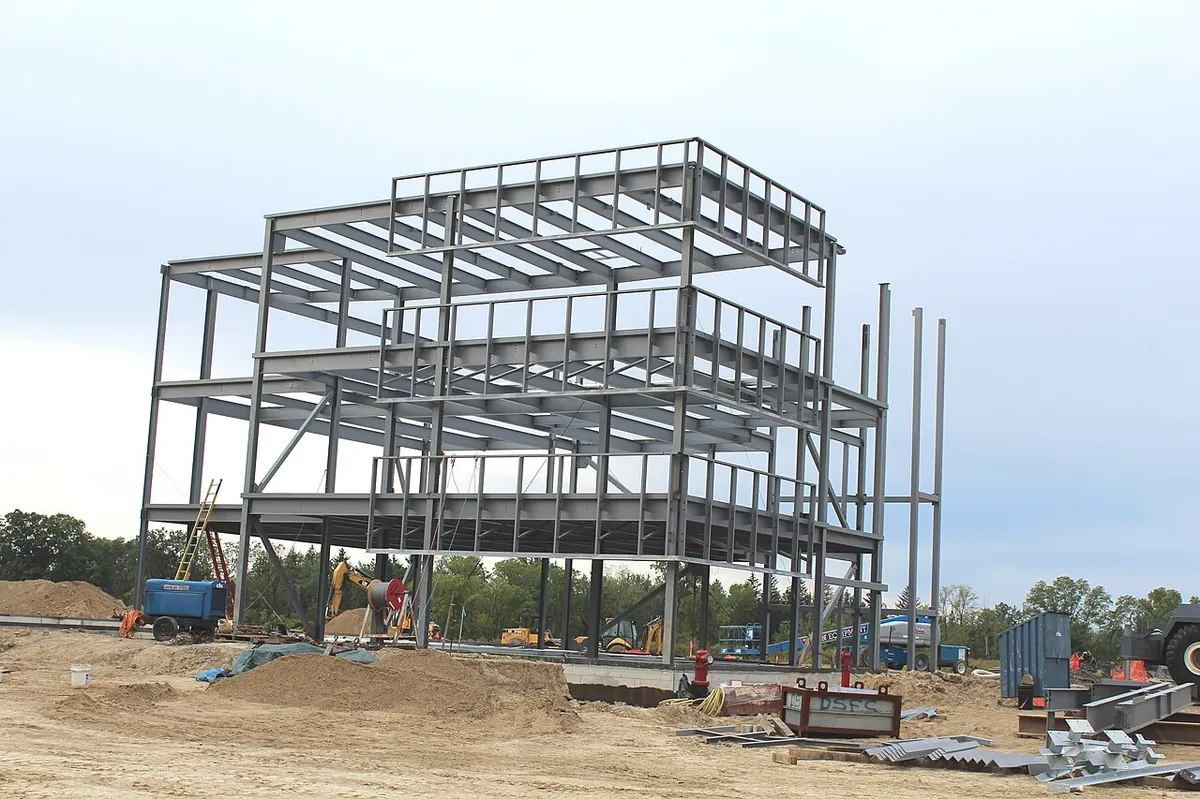
Shipping a steel building from China is a sequence of checkpoints, not a single shipment. From the moment production finishes to the moment the truck arrives at your site, there are usually seven stages: packing, inland transport, port loading, sea freight, arrival clearance, inland delivery and site unloading. At each stage you either receive a document or approve a decision, and most problems happen when a buyer skips one of those approvals.
Stage 1: Production completion and inspection
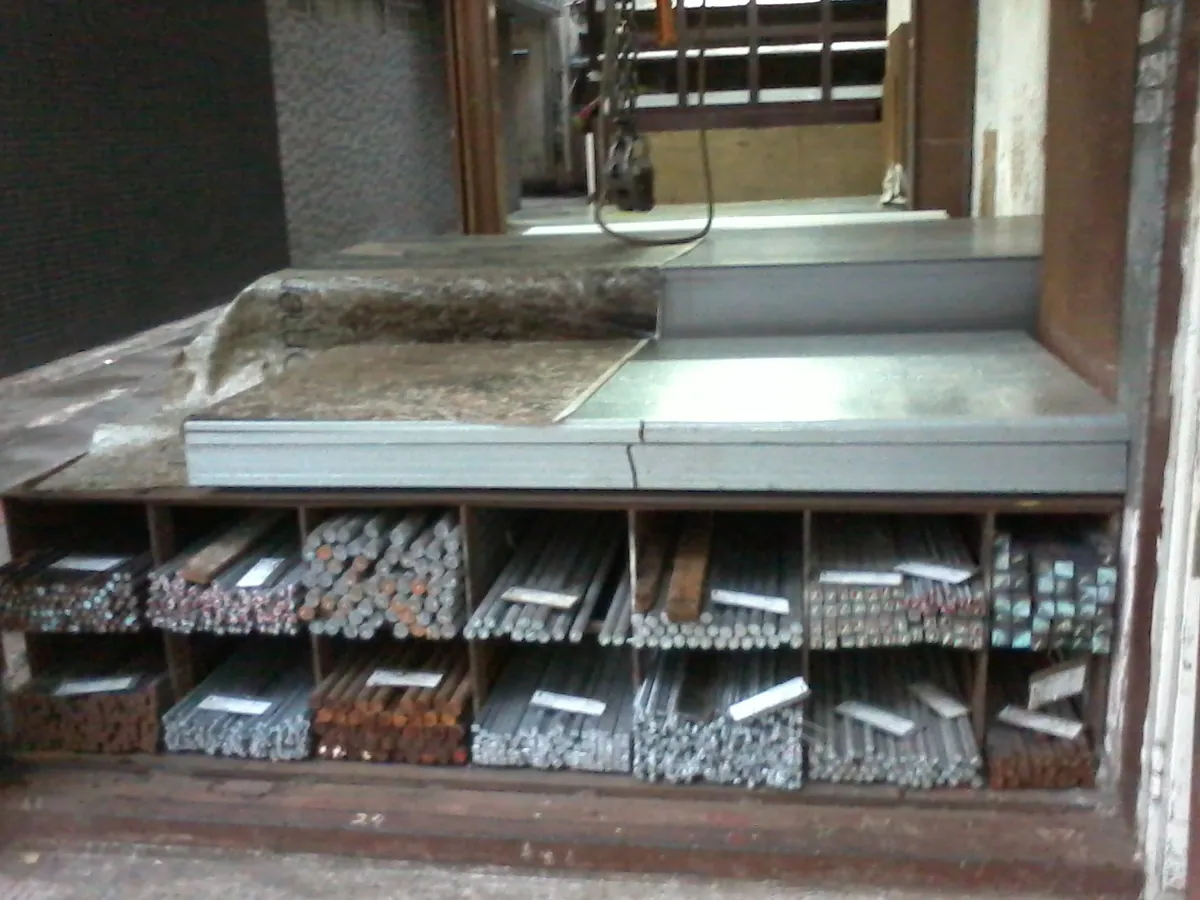
The process starts before anything reaches the port. Once the workshop finishes the steel members, the factory runs a quality check against the approved shop drawings: dimensions, drilling, weld quality and surface treatment. You should receive a set of completion photos or a video walkthrough, and many suppliers offer a pre-shipment inspection by a third party at this point. This is the cheapest moment to catch a defect, because the steel is still in the factory and rework does not affect shipping dates.
Stage 2: Packing according to the packing list
Steel buildings are usually packed for export in one of three ways: standard containers for flat-packed panels and light frames, open-top containers or flat racks for long members, and break-bulk for oversized components. The packing list is the document that matters here. It shows each package number, weight, dimension and what is inside. Before the container is sealed, check that the packing list matches your order quantities, because the same numbers appear on the bill of lading and the customs declaration.
Members that travel in the same container are usually marked by assembly sequence, so the erecting crew can find the right package on site. Ask the factory to confirm that the marking system is written on the packing list; it saves hours of searching on delivery day.
Stage 3: Inland transport to the port
The factory arranges trucks to move the loaded containers or flat racks to the port, usually a short distance from the manufacturing region. This stage rarely affects the buyer unless the factory is far from the port or the cargo is oversized and needs special permits. The documents you need here are the transport documents and, for wood packaging, a fumigation certificate if the destination requires ISPM 15 compliance.
Stage 4: Customs declaration and port loading
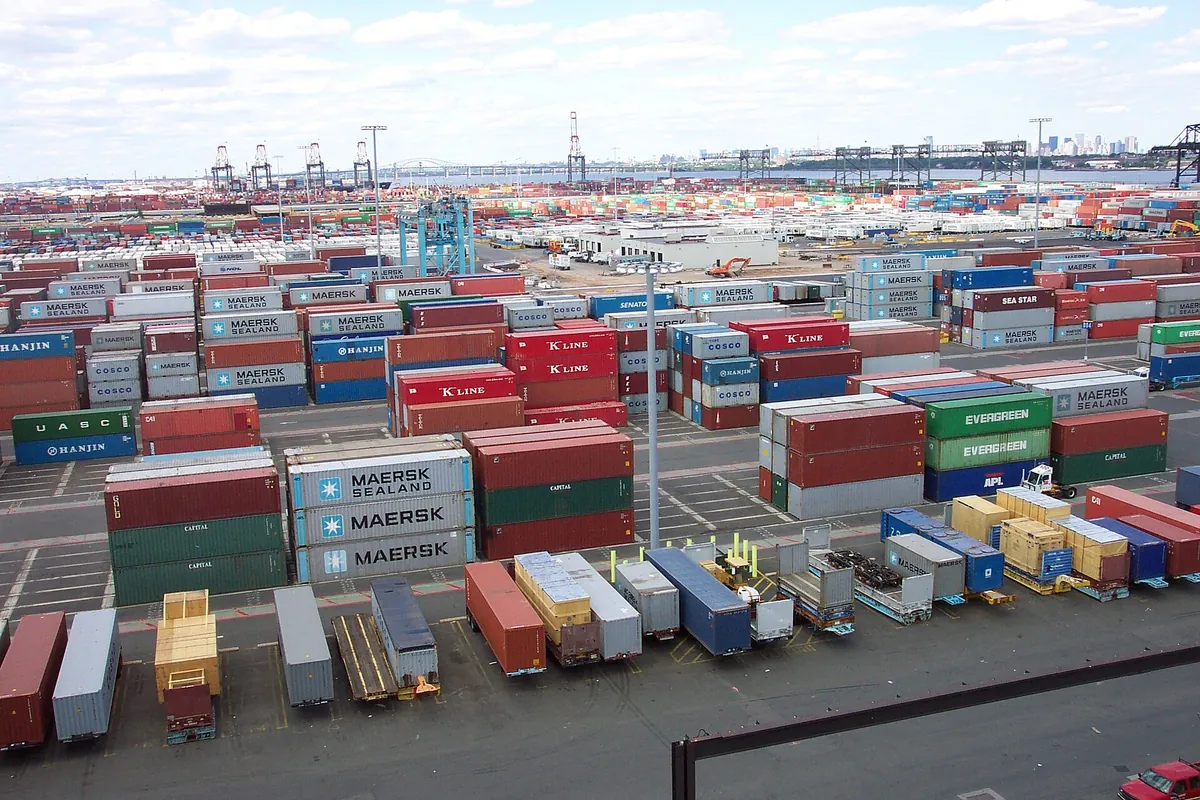
The export customs declaration is filed by the supplier or their forwarder using the commercial invoice and packing list. This is where HS codes matter: a steel building is normally declared under the steel structure heading, and the declared value should match the commercial invoice. Once customs releases the cargo, the containers are loaded onto the vessel. The key document at this stage is the mate’s receipt or the booking confirmation, which later becomes the bill of lading.
Stage 5: Sea freight and the bill of lading
After the vessel sails, the forwarder issues the bill of lading (B/L). This is the document of title to your cargo. Depending on the Incoterms you agreed, the supplier or the buyer arranges the main carriage. The B/L is normally released 2 to 7 days after sailing, either as a telex release or as original documents. Most steel building payments are structured so the balance is paid against the B/L copy, which gives both sides protection.
Stage 6: Arrival, customs clearance and delivery
When the vessel arrives, the consignee or their customs broker clears the goods at the destination port. You will need the commercial invoice, packing list and bill of lading, plus any destination-specific documents such as a certificate of origin. After clearance, the container is delivered to your site or to a local warehouse. This is the first time you physically see the cargo, so plan the site unloading before the truck arrives.
What you approve at each stage
| Stage | Document or approval | Why it matters |
|---|---|---|
| Production | Completion photos / inspection report | Catches defects while rework is cheap |
| Packing | Packing list check | Quantities and package numbers must match |
| Customs | Commercial invoice value | Declared value must be consistent |
| Sailing | Bill of lading | Your proof of ownership of the cargo |
| Arrival | Customs clearance documents | Destination rules vary by country |
Documents the buyer should keep
- Signed sales contract and proforma invoice
- Approved shop drawings and revision records
- Commercial invoice and packing list
- Bill of lading (telex release or original)
- Certificate of origin and insurance documents, if arranged
Questions to confirm with the sales office before shipping
Ask about the packing method for your specific building, who arranges the export customs declaration, how the B/L is released, and whether the quoted price includes the destination port charges. For flat-packed structures, the same export logic applies to container house suppliers, where package sequence is even more important because the units arrive as ready-to-assemble kits. Confirm the Incoterms in writing before you approve the final invoice.
Frequently Asked Questions
How long does shipping a steel building from China take?
Sea freight from a Chinese port to the US West Coast usually takes 18 to 30 days, and Europe 30 to 45 days. Production, packing and port waiting time add several weeks before the vessel departs. Confirm the full schedule with the sales office because the loading date, not the sailing date, is the milestone you can actually control.
Does the steel building factory handle the export documents?
Most Chinese steel structure suppliers prepare the commercial invoice, packing list, bill of lading and often the certificate of origin. Whether they arrange customs clearance at the destination depends on the Incoterms you agree. Confirm in writing which documents are included before you pay the deposit.
Can a steel building ship in one standard container?
A small steel building can fit in one or two 40-foot containers when the panels and frames are designed for flat packing. Larger buildings ship as multiple containers plus flat racks or break-bulk cargo. The factory’s proposal should state the loading method, because it changes both the freight cost and the on-site assembly plan.
When do I approve the packing list?
The packing list should be sent before loading starts, usually 3 to 5 working days before the container is packed. Check it against the order quantity and mark every carton number, because the same numbers appear on the bill of lading and the customs declaration.
To get a shipping plan with the packing method, documents and Incoterms for your building, contact the sales office and ask for the export proposal before you commit to a deposit.