Factory Direct vs Trading Company for Steel Buildings: What Changes After the Quote Is Signed

The quote is only the first test of a steel building supplier. After you sign, the real differences between a factory and a trading company appear in engineering support, production control, inspection access and after-sales service. A factory controls the workshop that makes your building; a trading company controls the order file and depends on factories it does not own. This article explains what changes after the quote and how to tell which model you are actually dealing with.
Engineering support: where the first difference appears
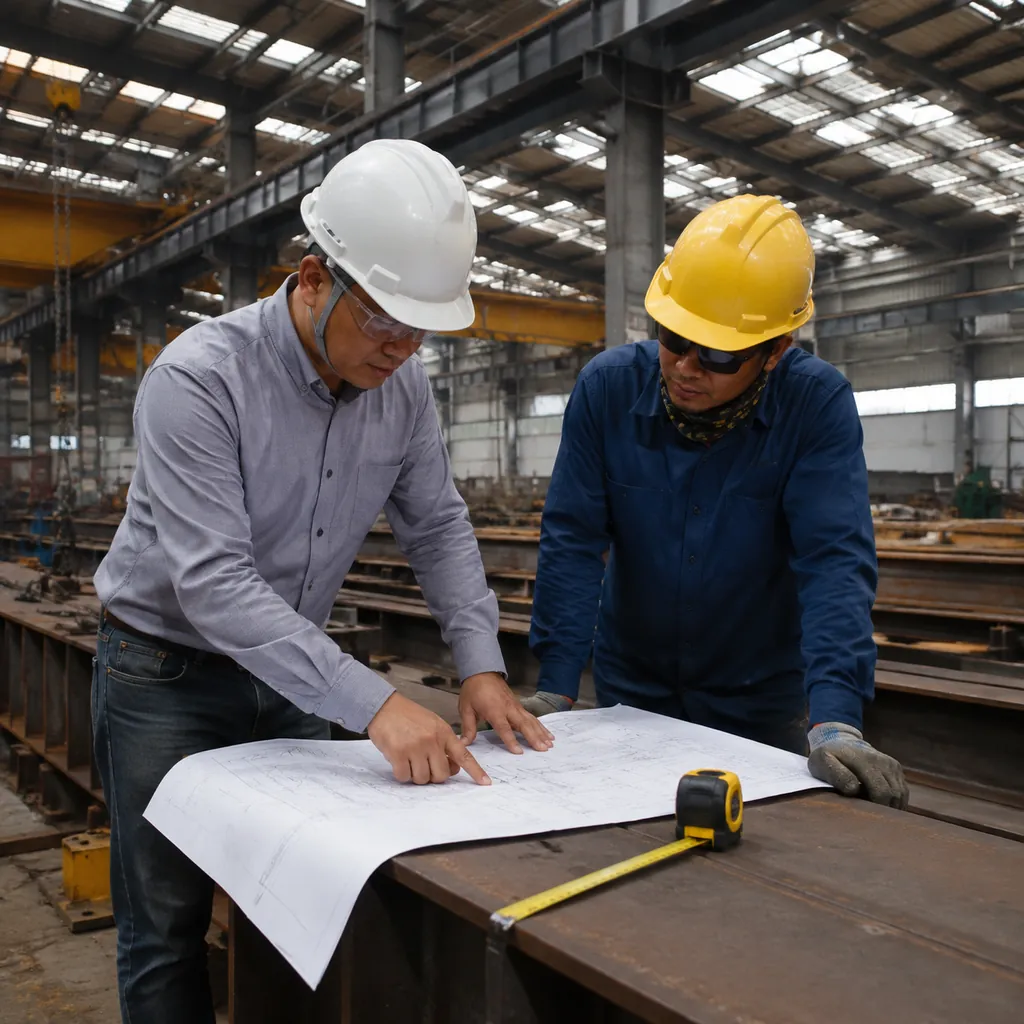
Steel buildings are engineered products. The frame, the connections, the wind and snow load calculations, and the cladding details all depend on the supplier’s engineering team. A factory-direct supplier usually has its own structural engineers who work from your site data and produce the shop drawings. A trading company often forwards your requirements to the factory’s engineers, which adds a layer of communication and sometimes a layer of error.
Ask one simple question after the quote: who will produce the shop drawings, and can you talk to the engineer directly if something is unclear? If the answer is that drawings come from the factory but all communication goes through the trader, expect slower revision cycles.
Production control: what happens when your order enters the workshop
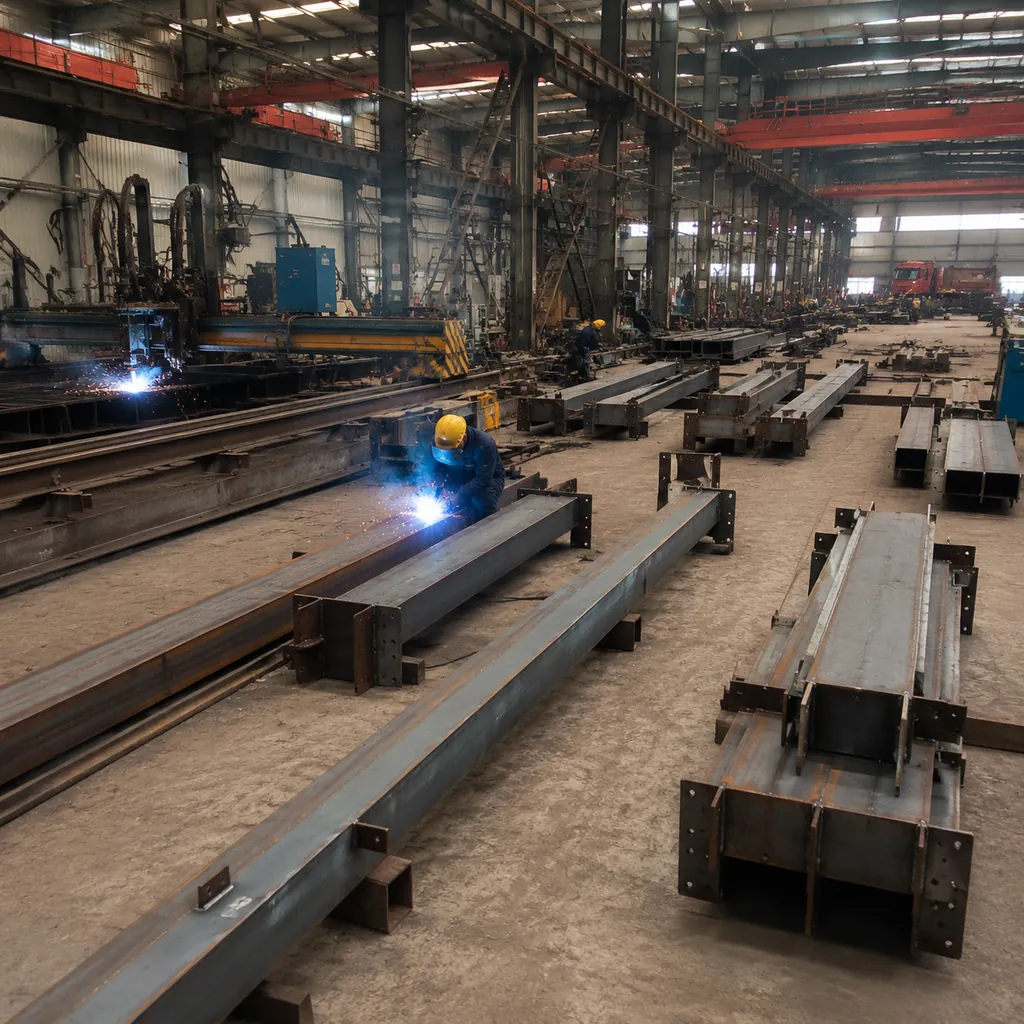
When you order from a factory, your order enters its production schedule directly. The factory plans the steel purchase, the cutting, the welding and the painting, and it can show you photos of your members in the workshop. A trading company has to negotiate workshop time with the factories it uses, so it cannot always control the schedule or give you real-time production updates.
In practice, the differences show up in three places:
- Lead time visibility: factories can usually give you a workshop-level schedule; traders give a promised date.
- Change handling: a change order reaches the workshop faster when you deal with the factory directly.
- Production photos: a factory can photograph your actual members; a trader often shares generic workshop photos.
This is not a rule that every trader is worse – some trading companies run excellent quality programs. But the buyer who wants control over production should verify who owns the workshop before signing.
Quality inspection: who lets you check the goods
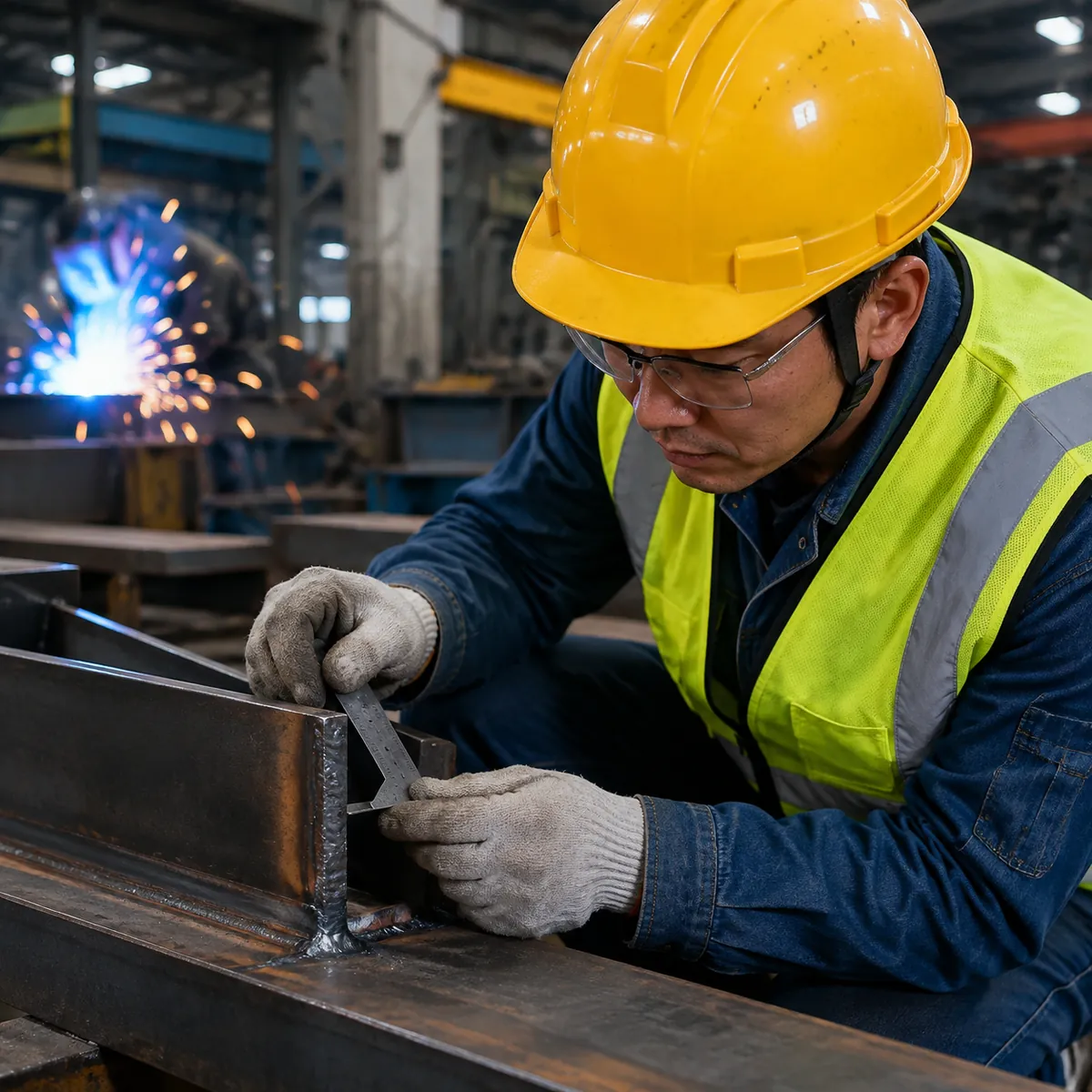
Quality control is the area where the two models differ most visibly. A factory can invite you or your inspector into its workshop, show you the QC points, and let you watch the load test or the dimension check on your members. A trading company must arrange access through the factory, and the factory has less reason to treat your inspector as a priority customer.
Ask whether the supplier accepts third-party inspection at the workshop before shipment, and whether you can visit or arrange a video inspection. A factory-direct supplier usually says yes without hesitation, because its QC process is part of the service. A trader may say yes too, but the logistics of the visit are harder to arrange.
How to confirm you are dealing with a factory
- Ask for a video call from the workshop floor with your order visible.
- Ask for the workshop address and check it on a map against the registered company address.
- Ask for production photos with your order number or a distinguishing mark visible.
- Ask for a mill certificate that names the factory as the buyer of the steel.
The same verification logic applies when you buy other prefab products, including container house supplier projects, where buyers often discover after the quote that their supplier is a trader without a workshop.
After-sales: who answers when something is wrong
When a member arrives damaged or a dimension does not fit on site, you need a supplier that can act. A factory can check its production records, compare the drawing, and arrange a replacement from the same workshop. A trading company has to go back to the factory and negotiate on your behalf, which adds time to every resolution.
Ask the supplier how they handle a damaged part or a missing bolt box after shipment, and get the answer in writing. The quality of after-sales support is often the clearest signal of whether you are dealing with a factory that stands behind its work or a middleman that does not.
FAQ
Is factory direct always better than a trading company?
Not always. A good trading company can add value with logistics, consolidation and documentation, especially for mixed orders. But for a custom steel building, factory direct usually gives better engineering control, production visibility and after-sales support.
How can I verify a supplier owns a factory?
Ask for a video call from the workshop, check the workshop address against the company registration, and ask for production photos of your actual order. Mill certificates that name the factory as the steel buyer are also strong evidence.
Can a trading company arrange third-party inspection?
Yes, most can. The difference is speed and priority: a factory can fit your inspector into its own schedule, while a trader must coordinate through the factory.
Verify the manufacturer before you sign
After the quote, check engineering access, production control, inspection rights and after-sales commitments before you pay the deposit. If a supplier hesitates on any of these, ask why. Contact the steel building factory to confirm the production schedule and arrange a workshop video call for your project.