
Steel Building MOQ: How to Negotiate Smaller Minimums Without Paying a Penalty

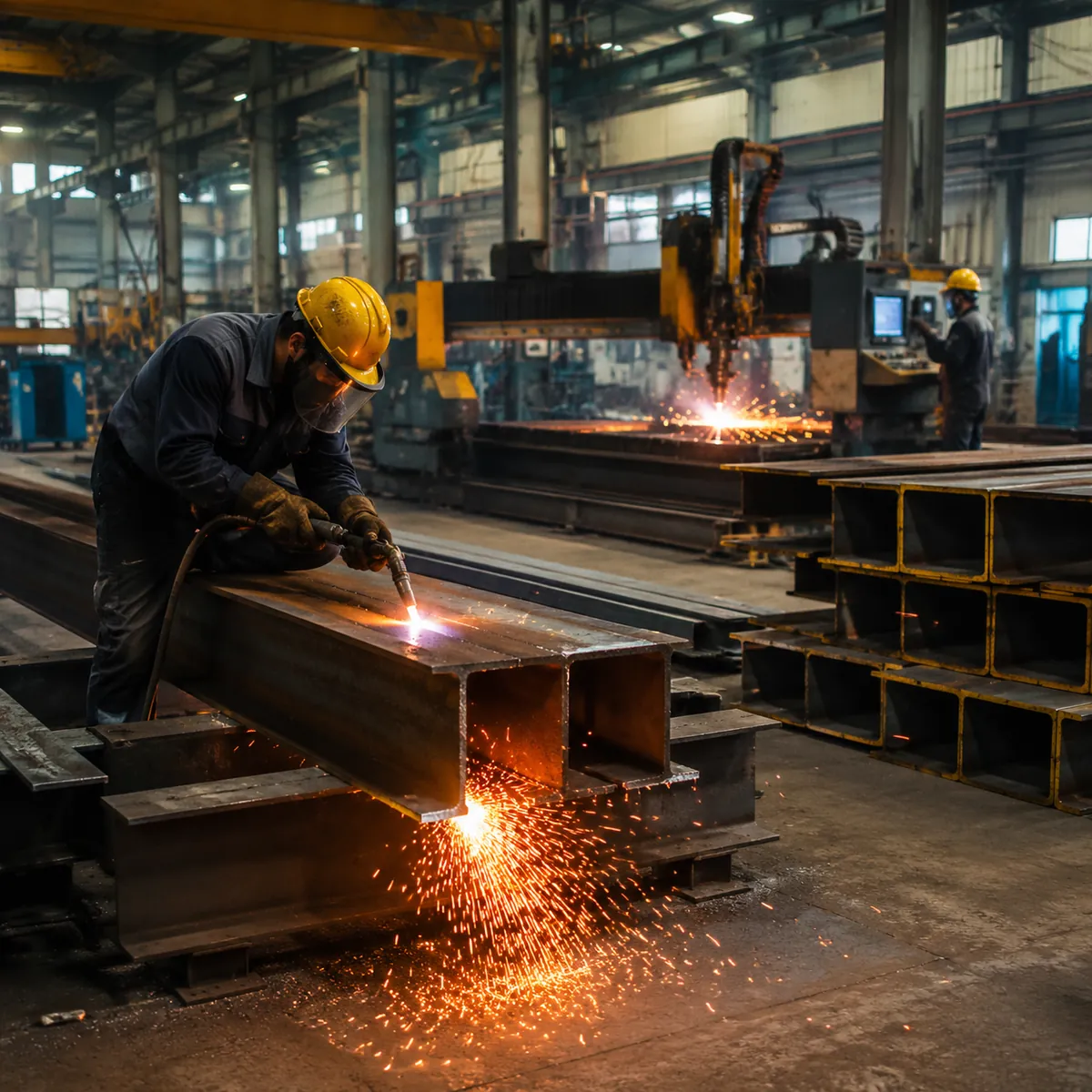
A steel building MOQ is rarely a fixed number of buildings — it is usually a minimum tonnage, a minimum floor area, or a minimum number of standard bays that makes a production run worth the factory’s setup cost. If your project — a prefab steel warehouse, a workshop or an extension bay — is smaller than that minimum, you do not have to walk away; you need to understand how the minimum is calculated and which negotiation levers actually work. This guide explains both.
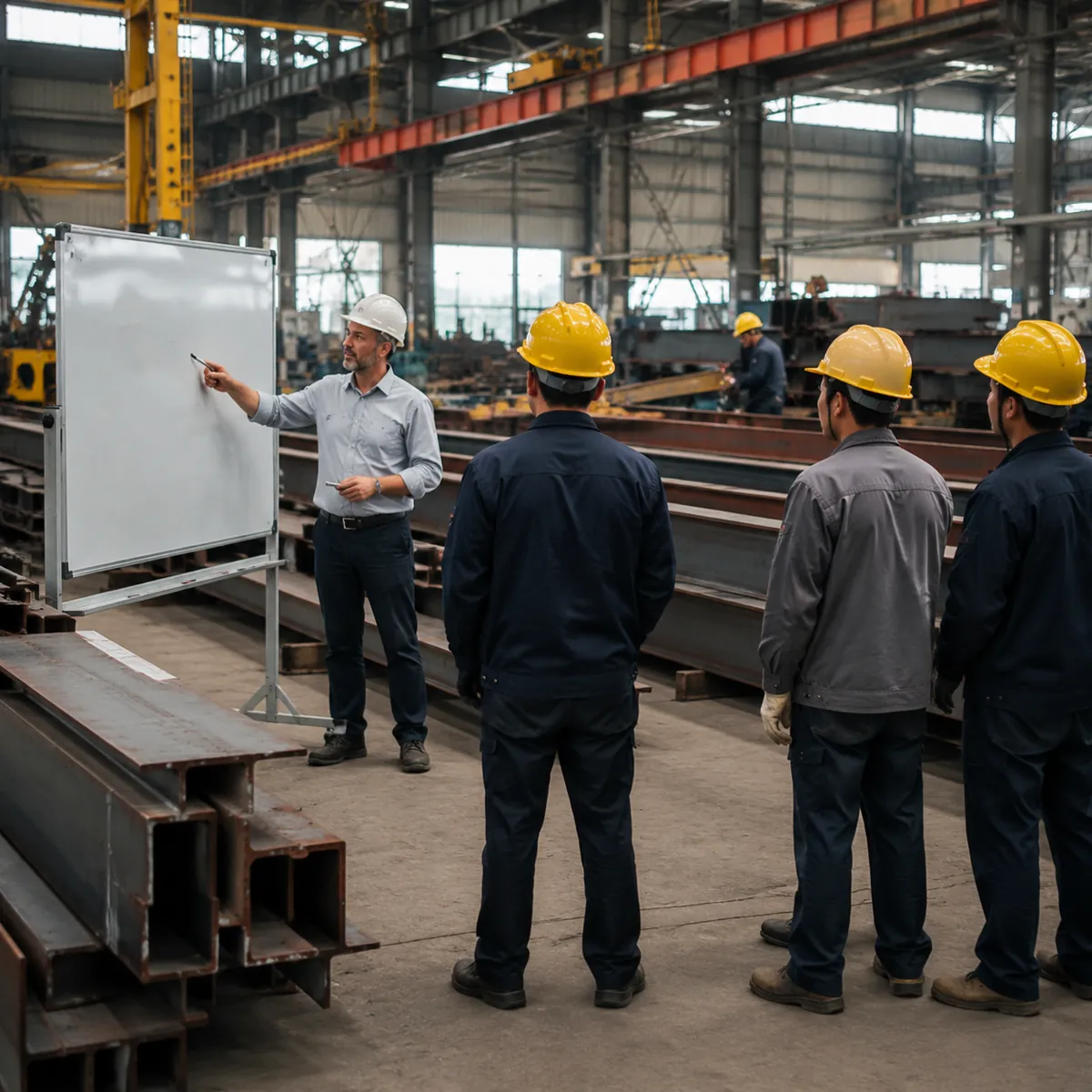
Why factories set MOQs at all
A steel building order triggers fixed costs that do not shrink with order size: engineering setup, drawing preparation, material procurement, production line setup and export documentation. The MOQ exists so those fixed costs are spread over enough tonnage to keep the unit price sane. When a supplier says “minimum order”, what they usually mean is “below this size, the fixed costs break the pricing” — which is why a small order often attracts a higher per-ton price rather than a flat refusal.
How steel building MOQs are calculated
Different factories express the minimum differently. Tonnage-based minimums (for example a minimum steel weight per order) reflect material and fabrication economics. Floor-area minimums are common for building kits. Bay-count minimums apply when the supplier has a standard frame system — a minimum number of bays keeps the design and tooling efficient. Ask which basis applies, because the negotiation strategy is different for each.
| MOQ basis | What it means | Negotiation lever |
|---|---|---|
| Tonnage | Minimum steel weight per order | Combine members or phases into one order |
| Floor area | Minimum building footprint | Use standard bay sizes to reduce engineering |
| Bay count | Minimum number of standard bays | Accept the standard frame system |
| Order value | Minimum contract amount | Add accessories or spare parts to the order |
Can I order a single small steel building from a manufacturer?
Yes, if the project is within the supplier’s practical range. The price per ton will be higher than a large order because fixed engineering and setup costs are spread over less tonnage, but for a one-off building that is often still the cheapest route.
Negotiation levers that actually work
Four approaches reduce or work around a minimum without destroying the price. First, standardize: accepting standard bays, standard eave heights and standard cladding cuts engineering cost, so the factory can accept a smaller order. Second, combine: if you have two small buildings, order them as one contract. Third, pay the fixed cost transparently: offer to cover the engineering or setup fee so the factory does not hide it in a higher unit price. Fourth, phase intelligently: order the main frame now and add cladding or an extension bay in a later order.
For how the minimum relates to real factory numbers, our steel building MOQ guide explains how tonnage and floor area translate into minimum order calculations.
What a “no MOQ” promise usually hides
Some suppliers advertise no minimum order. In steel buildings, that usually means the fixed costs are simply folded into a higher unit price or a smaller standard range — the factory will build a small shed, but you pay for the engineering and setup whether you see them on the invoice or not. That can be perfectly fine for a one-off building; just compare the total, not the headline. If a small building is your only need, a higher per-ton price on a small order is often cheaper than meeting a large minimum.
Is there a difference between MOQ for workshops and warehouses?
Not in principle — the minimum follows tonnage, area and standard bays, not the building type. A small workshop may fall below a supplier’s minimum while a warehouse of the same floor area does not, because warehouses usually use more standard bays.
Put the agreement in writing
Whatever you negotiate, write it down: the order size, the basis of the minimum (tonnage, area, bays or value), the unit price that applies, and what happens if the order changes size later. A written agreement on MOQ prevents the most common surprise in small steel building orders — a unit price that quietly rises when the order stays below the factory’s standard run. The same discipline applies to the whole quote: our steel building quote process guide covers price validity and revisions.
FAQ
What does MOQ mean for steel buildings?
MOQ is the minimum order a factory will accept at standard pricing. It is usually expressed in tonnage, floor area, bay count or order value — not in number of buildings — because fixed engineering and setup costs must be spread over enough work.
How can I get a smaller steel building order accepted?
Standardize the design (standard bays and heights), combine small buildings into one contract, offer to cover the engineering or setup fee, or phase the order — frame now, cladding and extensions later.
Why is a small steel building more expensive per square meter?
Fixed costs — engineering, drawings, material procurement, production setup and export paperwork — are spread over less tonnage, so the unit price rises. The total may still be attractive for a one-off project.
Should I choose a supplier with no MOQ?
It depends. A no-MOQ promise usually means fixed costs are folded into a higher unit price or a narrower standard range. Compare the total cost for your actual order size, not the headline policy.
Have a small steel building project and worried about MOQ? Send your dimensions and intended use, and we will quote your exact order size with the fixed costs shown transparently.