
Steel Building Shipping Cost: How Weight, Volume and Route Drive Freight

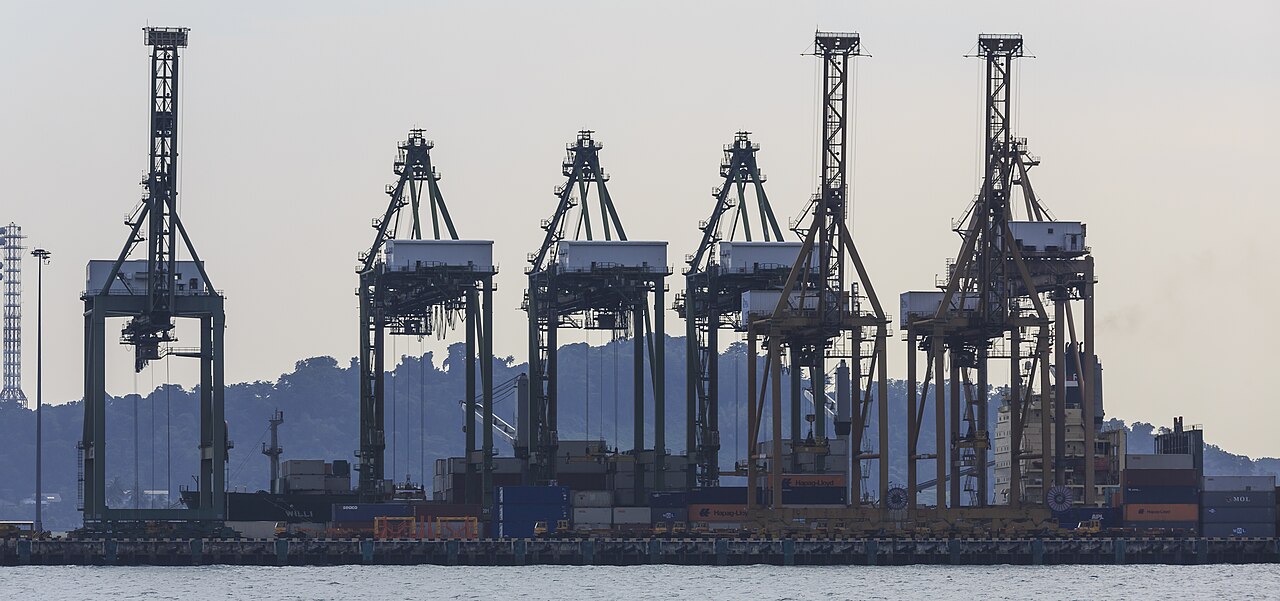
Steel building shipping cost is driven by three numbers: how heavy the steel is, how much space the packed cargo takes, and how far it has to go. The same warehouse shipped to a major hub port can cost far less than the same building sent to a secondary port with inland haulage. This article explains how freight is calculated and what you can control at quotation stage.
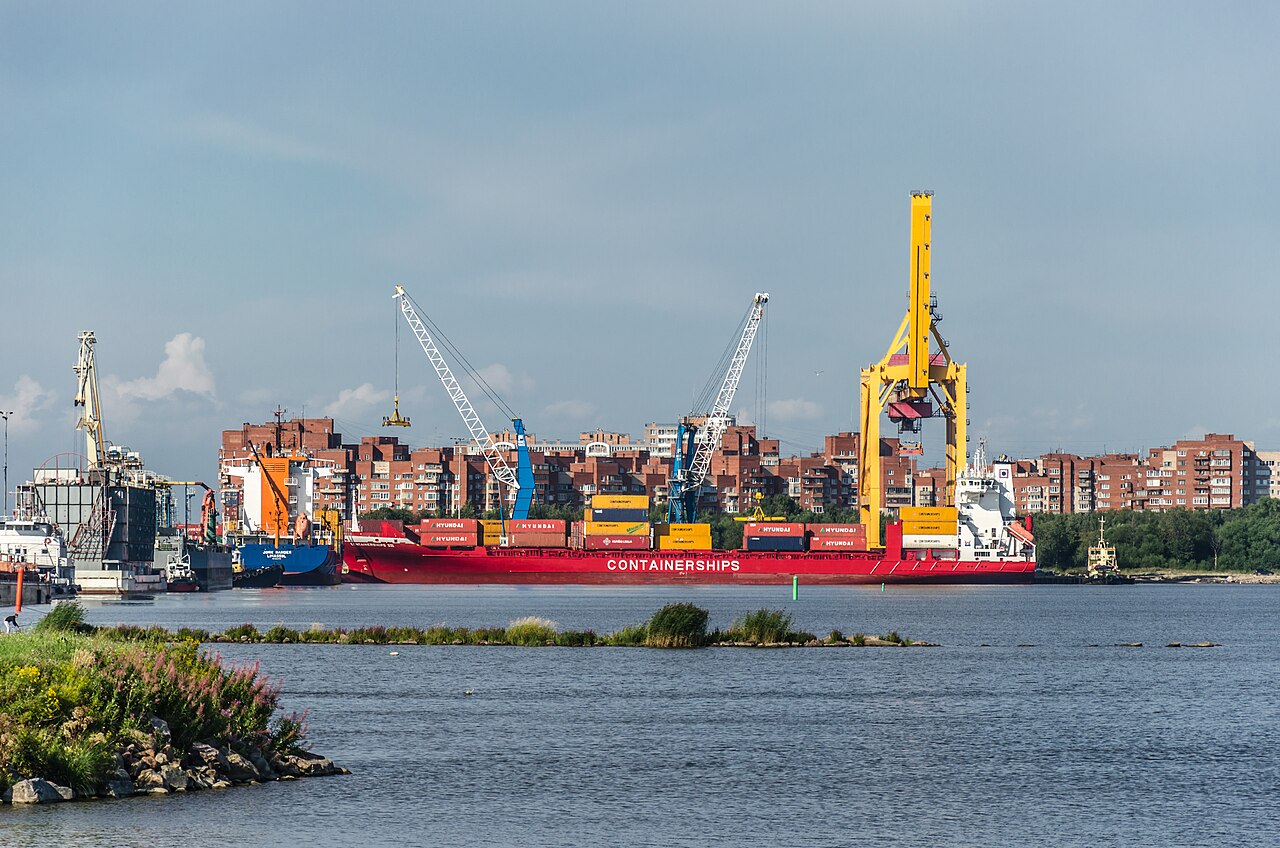
Weight vs volume: which one the carrier bills
Ocean freight is charged on either weight or volume, whichever gives the carrier more revenue. Steel is weight-heavy, so most steel building shipments are billed per ton; but when cladding panels and crated accessories are packed, the volume (cubic meters) can exceed the weight-based calculation for part of the cargo. Ask your supplier for a packing plan with total weight and total volume, because that pair of numbers determines the freight basis and the number of containers.
Container, flat rack or break-bulk: how packing changes cost
| Mode | Cost profile | When it fits |
|---|---|---|
| 40ft dry container | Lowest per-ton cost when cargo fits standard boxes | Small and mid-size frames, purlins, cladding |
| 40ft open-top | Higher than dry; top loading needed | Members near container length |
| 40ft flat rack | Higher still; overwidth permits possible | Long beams, wide sub-assemblies |
| Break bulk / conventional | Often cheapest per ton for very heavy cargo, but port-dependent | Very large or heavy frames |
The steel structure shipping methods and Incoterms guide explains which party pays for each leg under different Incoterms.
Route and destination factors
Freight rates vary by trade lane, and within a lane by port. Hub ports with frequent sailings usually cost less per container than secondary ports served by feeder vessels. Destination-side factors — port congestion, terminal handling charges, customs delays and inland haulage distance — can exceed the ocean freight itself for landlocked destinations. When comparing supplier quotes, compare to the same port and ask for the freight quote to be broken into ocean freight and destination charges.
Port and destination-side costs often missed
| Cost item | Who usually pays | How to control it |
|---|---|---|
| Ocean freight | Buyer (CIF/CFR) or seller (FOB/DAP per Incoterms) | Compare routes and booking timing |
| Port handling and terminal fees | Destination side usually buyer | Use an experienced freight forwarder |
| Demurrage and detention | Whoever holds the container | Plan customs clearance before vessel arrival |
| Inland trucking | Buyer | Compare rail vs truck for long hauls |
| Customs clearance and duties | Buyer | Prepare documents in advance |
How to control shipping cost at quotation stage
Ask the supplier for three things early: the estimated steel tonnage, the packed volume and the proposed loading method. These let your forwarder give a real freight estimate instead of a guess. Also confirm the packing standard — good packing avoids damage claims but adds weight and volume; a packing and loading documentation agreement before production prevents surprises. Finally, check how your frame is packed and containerized so the quotation and the shipment plan match.
FAQ
Why is shipping to my port so much higher than to a hub port?
Secondary and landlocked destinations add feeder vessel legs, terminal handling, customs complexity and longer inland haulage. Compare freight to the nearest hub port, then add the inland leg separately to see where the money goes.
What can I do to reduce steel building shipping cost?
Combine the order into fewer shipments, confirm the packing plan minimizes volume, book during off-peak periods when possible, and use a forwarder who knows your destination. Design decisions that reduce tonnage — within safe limits — also reduce freight.
Who is responsible if cargo is damaged in transit?
It depends on the Incoterms and the insurance in the contract. Damage is documented at arrival, photographed, and claimed against the responsible party — carrier, insurer or supplier — within the agreed window. Always inspect before the trucker leaves the site.
Planning a steel building import? Send your building dimensions and destination port, and we will provide the weight, volume and loading plan you need to get an accurate freight quote.