
Steel Building MOQ: Tonnage, Floor Area and How Factories Calculate Minimum Orders

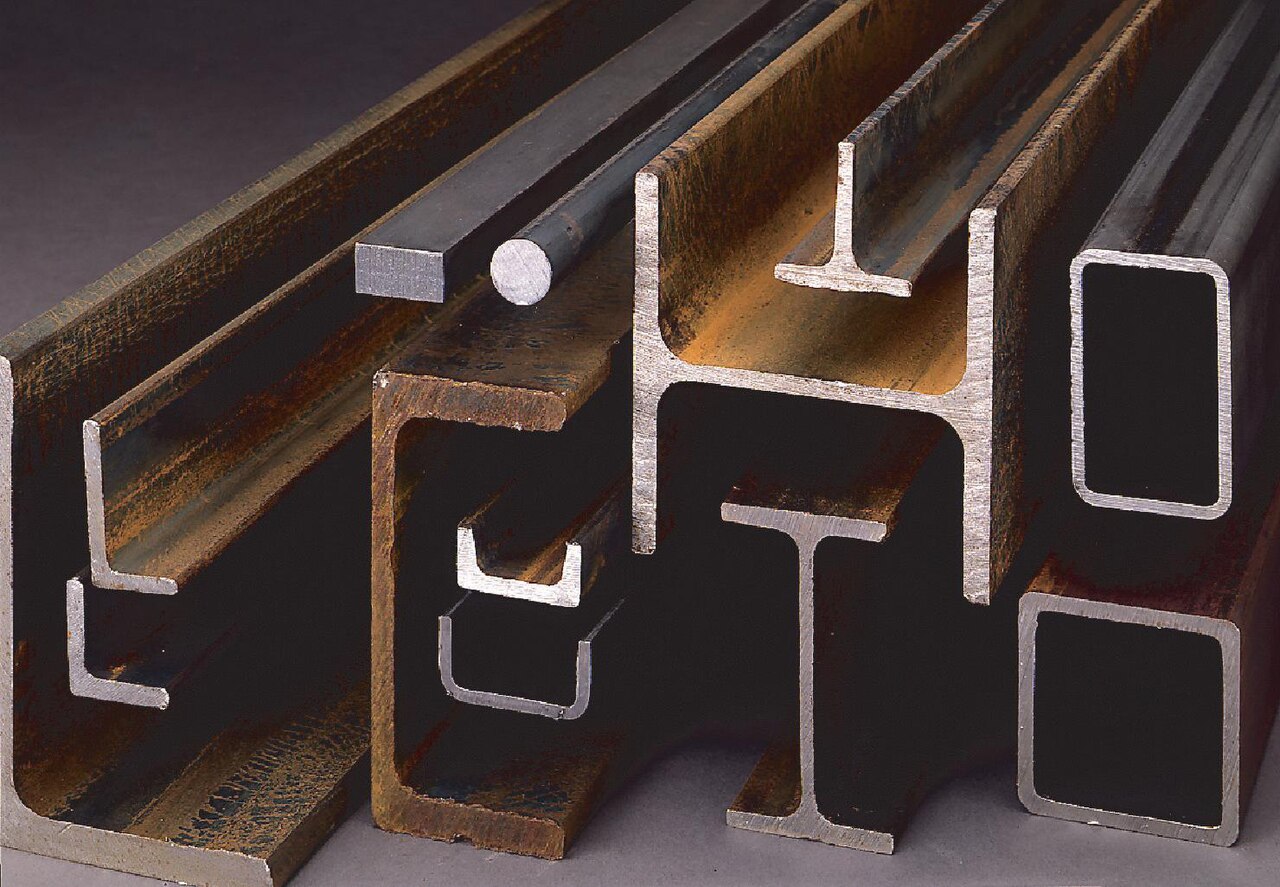
Steel building MOQ is usually calculated on tonnage or production slot, not on floor area — a light single-story warehouse can cover a lot of square meters with surprisingly little steel. There is no universal minimum, so the practical question is what the factory needs to fill a production run and a container economically. This article explains how MOQ works in export steel structure projects and what you can do when your order is small. If you are comparing manufacturers for the first time, the steel building manufacturer overview page shows what a factory-based supplier offers before you get into order size.

Why floor area is a bad way to think about MOQ
A 30m x 60m warehouse and a 20m x 40m workshop are both buildings, but their steel tonnage depends on span, clear height, loads and crane requirements — not on the area alone. A factory with an MOQ expressed in tonnage will accept a large-area light building and may reject a small-area heavy one. When you hear “MOQ,” ask which unit it is measured in. The steel building frame weight and tonnage guide shows how to estimate tonnage before you ask for quotes.
How factories actually set MOQ
| Basis | How it works | Typical example |
|---|---|---|
| Minimum tonnage | Enough steel to justify a production slot | One container load or a stated tonnage per order |
| Production slot | Schedule-based: share a fabrication run | Combine your order with a monthly production window |
| Container utilization | Freight economics: fill the container | Frame plus cladding and accessories in one container |
| Order value | Minimum invoice to cover engineering and admin | A stated minimum order value per project |
What MOQ includes and what it does not
Confirm what the MOQ covers. Some factories count only the structural steel; others include cladding, accessories and fasteners in the order value. Engineering cost is often fixed regardless of size, so a very small project carries a higher engineering share per ton. Ask for the MOQ basis in writing and check whether a small order is accepted with a surcharge instead of rejected outright. The steel building MOQ minimum order guide covers the typical thresholds and how they are applied.
Ways to make a small order work
If your building falls below the MOQ, the options are practical, not magical. Order multiple buildings or phases together so the combined tonnage clears the threshold. Combine your project with a second order sharing the production slot. Accept standard spans and clear heights instead of custom dimensions. Or take a small-order surcharge — often cheaper than waiting for a larger project.
Payment flexibility also helps. A supplier who can see a clear payment structure is more willing to accept a smaller order. The steel building payment terms guide explains TT and L/C structures that work for smaller export orders.
What to send when asking about MOQ
Send the building dimensions, clear height, span, local loads, and an estimated tonnage if you have one. Ask the supplier to confirm the MOQ basis, whether your tonnage clears it, and what the alternative is if it does not. A supplier with a real production schedule answers with numbers; one who gives a vague “we accept any order” usually has no schedule control.
MOQ for multi-building and phased projects
If you are building in phases, the MOQ conversation changes shape. A factory that will not accept one small building will usually accept a two-phase program where the first phase clears the minimum and the second phase books the same production line. The key is to commit the program, not just the first order: production slots are planned months ahead, and a confirmed second phase makes the first phase viable for the factory.
Put the phasing in writing in the quotation — building sizes, production windows and the order of delivery. This protects both sides: you get a workable first order, and the factory gets a schedule it can plan around. Multi-building buyers who negotiate this way consistently get better lead times than one-off buyers. The same logic applies when you buy one building but plan to expand later: telling the supplier about the future expansion early can move the first order above the minimum, because the factory sees the second order coming.
FAQ
What is a typical steel building MOQ?
There is no universal number. Some factories quote by tonnage (for example one container load or a minimum steel tonnage per order), others by floor area or by project. A single small warehouse can still be accepted when the tonnage is reasonable, while a very small frame may be combined with other items or priced with a small-order surcharge.
How do factories calculate steel building MOQ?
Usually from production efficiency and freight economics: a minimum tonnage per production slot, a minimum container utilization, or a minimum order value. The floor area matters less than the steel tonnage, because a light single-story frame can have a large area but little steel.
Can I negotiate a lower MOQ for a steel building?
Yes, in several ways: order multiple buildings or phases together, combine your frame with a second project sharing the production slot, accept standard sizes, or take a small-order surcharge. Asking for a lower MOQ politely and offering flexibility on schedule often works better than demanding it.
Have a small or single-building project? Send your dimensions and clear height, and we will confirm the MOQ basis and the most economical way to produce and ship your order.