
Prefab Steel Building in Saudi Arabia: 5 Local Code Requirements to Budget For

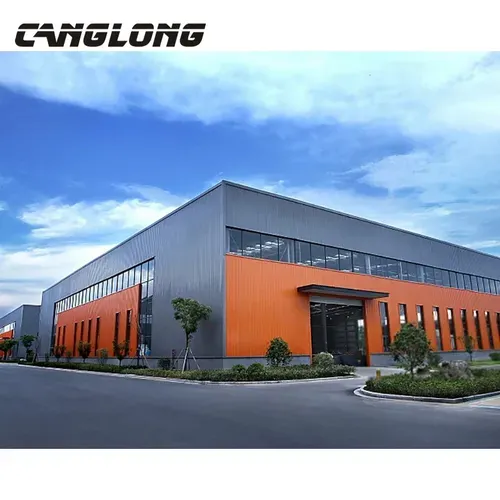
Five Saudi building code requirements usually decide whether a prefabricated steel building project stays on budget: wind and seismic design loads, thermal insulation, fire protection, foundation conditions, and local approvals. Each one changes the frame, cladding, or documentation package that a supplier prices, so the cheapest quotation is rarely the one that passes inspection in Riyadh, Jeddah, or Dammam. This guide lists the five requirements a buyer must budget for before signing a contract for a prefab steel building in Saudi Arabia.
The 5 local code requirements that change your steel building budget
The Saudi Building Code (SBC) applies to industrial buildings in most municipalities, and prefabricated steel structures are not exempt. The five items below are the ones that consistently move quotations, because they affect steel tonnage, coatings, insulation, and the paperwork required for approval.
| Code requirement | What it covers | Typical budget impact |
|---|---|---|
| Wind and seismic loads (SBC 301 / SBC 304) | Basic wind speed for the region, seismic zone, importance factor | Frame size and steel tonnage |
| Thermal envelope and insulation | Roof and wall U-values for a hot desert climate | Insulated panels, vapor barrier, cladding grade |
| Fire protection (SBC 801) | Fire rating of structure, smoke and firefighting access | Passive fire protection or sprinkler provisions |
| Foundation and soil conditions | Sabkha or sandy soil, groundwater, corrosion class | Concrete works, anchor bolts, soil improvement |
| Approvals and engineer stamping | Municipal permit, licensed engineer review, documentation | Engineering fees, review time, import documents |
Treat this table as a starting point. The exact values differ by municipality and by building use, so confirm the applicable SBC edition with the local building office before you request a quote.
1. Wind and seismic design loads
In Saudi Arabia, the design wind speed and seismic zone come from the SBC load requirements, and they are higher than many buyers expect for a “desert” location. A 20 m clear-span warehouse in the Eastern Province can need heavier portal frames and more bracing than the same building in a low-wind region. The supplier must design the frame to the site’s basic wind speed and the structure’s exposure category, not to a generic default.
Seismic provisions matter less in most Saudi regions than wind, but they are still part of the SBC load combination. Ask the supplier for the design wind speed and seismic parameters used in their calculations, and check that they match the project location. If they do not, the building may be rejected at the permit stage or fail the structural review later.
2. Thermal insulation and the building envelope
The Saudi climate pushes roof and wall panels toward insulated systems. A single-skin metal sheet on a warehouse roof creates serious heat gain and condensation risk when the interior is air-conditioned. Budget for insulated sandwich panels with a suitable U-value, a vapor barrier on the warm side, and ventilation or pressurization for large spaces.
This is also where cladding grade and color matter: coated steel with a higher performance finish lasts longer under UV and sand exposure. Your quotation should list the panel thickness, insulation core, and finish separately so you can compare suppliers on the same specification.
3. Fire protection requirements
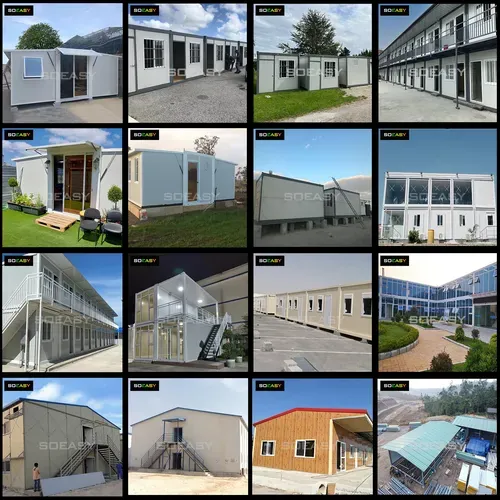
SBC fire requirements classify the building by use, floor area, and occupant load. A warehouse storing combustible goods will need a higher fire-resistance rating than a light workshop, and that changes the structural fire protection on columns and beams. Some projects also require firefighting access and smoke control provisions that affect the site layout.
Confirm the fire classification with the local authority early. If the building needs passive fire protection such as intumescent coating or fire boards, that is an added line item in the quotation. The supplier can design for the required rating, but only if you state the intended storage and use at RFQ stage.
4. Foundation and soil conditions
Saudi sites often have sabkha soil, loose sand, or high groundwater, and each one changes the foundation package. The structural supplier normally provides the anchor bolt layout and base plate details, while a local geotechnical engineer supplies the soil report. Budget for a soil investigation before finalizing the foundation design, because rework here is expensive and slow.
Corrosion is the second hidden cost. Coastal sites in Jeddah or the Eastern Province have higher chloride exposure, which favors hot-dip galvanized frames or a heavier coating system. Ask whether the quoted price assumes galvanized steel or a painted finish, and confirm the corrosion protection class for the site.
5. Approvals, engineer stamping, and documentation
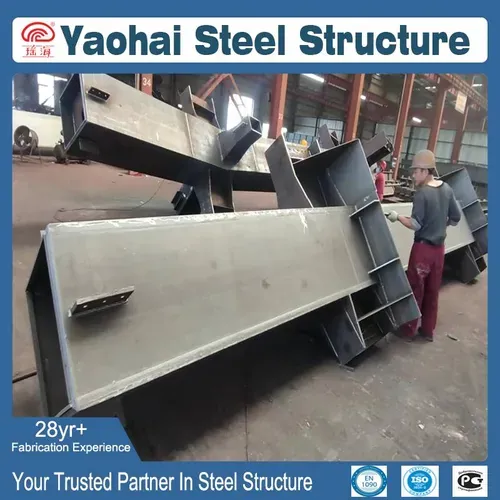
The approval path for a steel building in Saudi Arabia normally involves a municipal building permit, review of structural drawings, and in many cases a licensed engineer’s stamp. Some municipalities also require the imported steel to meet SBC material standards, which means the supplier must provide material certificates and mill test reports.
Budget both money and time for this step. Engineering review fees and permit fees are usually small compared with the building itself, but a design that does not match local requirements can stall the project for months. Ask the supplier which documents are included in the price and which require a local engineer on your side.
How to budget the code work into your RFQ
Start with a clear specification: building dimensions, clear height, use, storage type, and location. Ask every supplier to state the design wind speed, seismic parameters, insulation U-value, fire rating, and coating system they have quoted. Then compare on the same basis, not on the headline price alone.
Our guide to prefab steel warehouse costs in Riyadh, Jeddah and Dammam explains how location changes the price. For logistics projects, our guide to steel warehouses in Saudi logistics parks covers the site-specific factors. And the main prefab steel warehouse guide walks through the full procurement process.
FAQ
Which Saudi building code applies to prefabricated steel buildings?
Industrial steel buildings in Saudi Arabia are generally designed to the Saudi Building Code (SBC), with the load requirements in SBC 301/304, fire requirements in SBC 801, and energy requirements in the SBC envelope provisions. The applicable edition and local municipality rules should be confirmed before ordering.
Does a prefab steel warehouse in Saudi Arabia need a permit?
Yes, in most municipalities a building permit is required for a permanent steel warehouse, and the structural drawings are usually reviewed by the local authority or a licensed engineer. Temporary structures may follow a different path, but this depends on the zone and building use.
Do I need a local engineer to stamp the steel building drawings in Saudi Arabia?
Often yes. Many municipalities require drawings reviewed and stamped by an engineer licensed in Saudi Arabia, even when the structural design comes from the overseas supplier. Confirm this requirement before finalizing the order so the approval path is budgeted correctly.
What documents must the steel building supplier provide for Saudi approval?
Typically the structural calculations, stamped design drawings, material certificates, mill test reports, and connection details. Ask the supplier to list exactly which documents are included and whether they will adapt the design to the site’s wind and seismic parameters.
How much does code compliance add to a steel building quotation in Saudi Arabia?
The amount depends on the location, size, and use. Wind and seismic design can increase frame weight, insulation adds panel cost, and fire protection adds a separate line item. There is no fixed percentage, so request itemized quotations that state the code basis for each component.
Budgeting for code requirements is the difference between a project that passes inspection and one that stalls after the steel arrives. Contact our team with your building size, location, and use, and we will confirm what your Saudi project needs before you commit to an order.