
Steel Building Cladding and Envelope Specification for Industrial Buyers

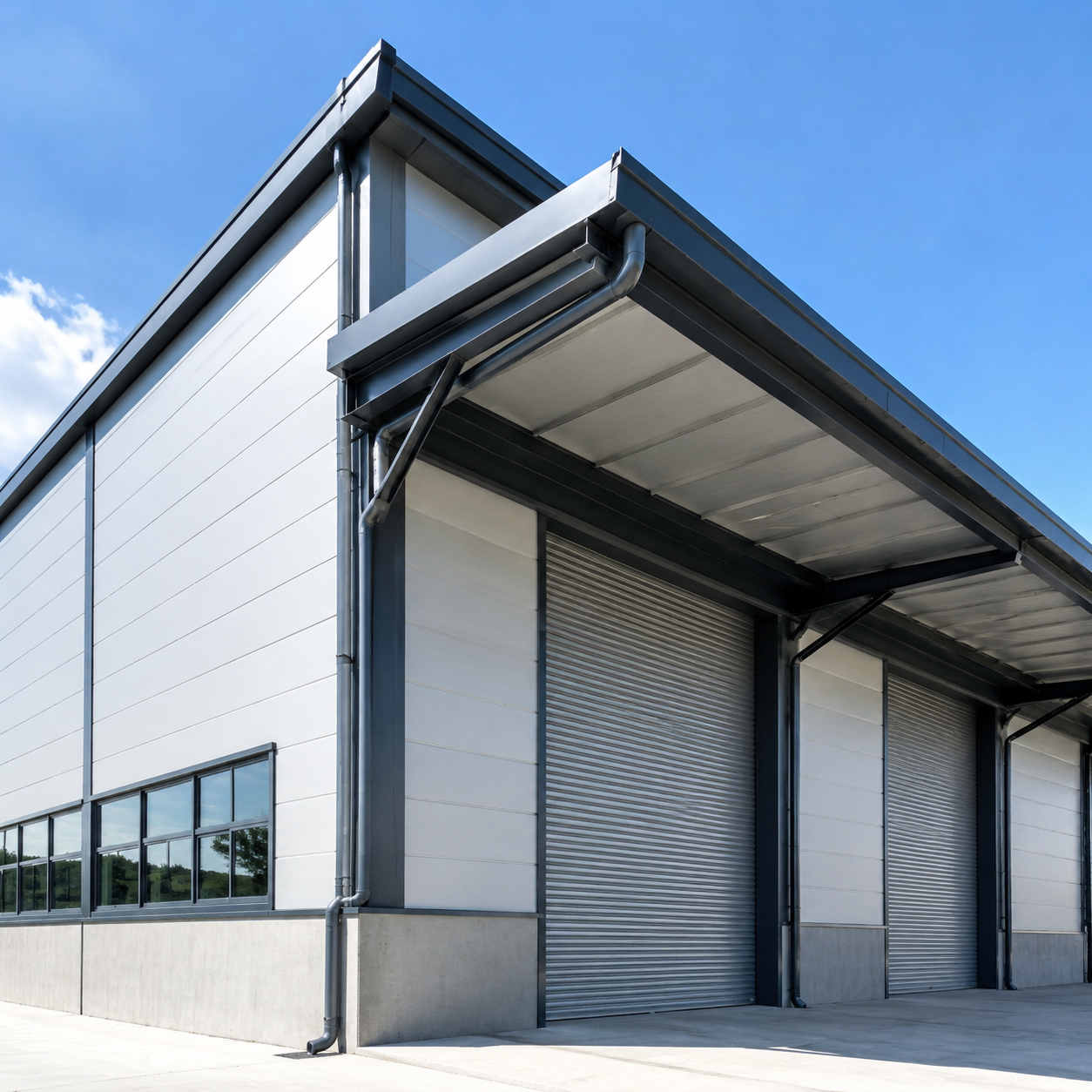
Steel Building Cladding And Envelope requires a procurement brief specific enough for engineering, fabrication, freight, and installation teams to make compatible decisions. A prefabricated steel building must support its operating model, approval path, transport constraints, installation sequence, and future modifications. A building that appears comparable by floor area may differ in span, height, loads, openings, cladding, interfaces, and supply responsibilities.
Define the Operating Requirement
Start with the work the facility must support: receiving, storage, fabrication, assembly, dispatch, maintenance, or a mix. Map vehicles, forklifts, pedestrians, materials, equipment, utilities, and waste. Translate that map into clear spans, eave height, column locations, openings, crane allowance, staging, and protected circulation. State what is fixed, what may be optimized, and what future changes matter.
For related procurement context, review this relevant steel building solution and use it to frame project-specific questions. Rely on approved documents and qualified professionals for site design.
Convert Site Information Into Design Inputs
Obtain current boundary dimensions, access constraints, finished levels, drainage, underground services, nearby structures, soil information, climate actions, and local code requirements. Separate verified data from assumptions. Assign responsibility for foundation reactions, anchor layouts, embeds, tolerances, and approvals. Off-site fabrication depends on accurate interfaces, so civil, detailing, and erection teams must use controlled information.
For related procurement context, review this relevant steel building solution and use it to frame project-specific questions. Rely on approved documents and qualified professionals for site design.
Make the Supply Scope Comparable
List primary frame, secondary members, bracing, roof, walls, insulation intent, openings, gutters, flashings, fasteners, accessories, documents, packing, shipment basis, and exclusions. Require each bidder to state design assumptions, materials, protective systems, connection approach, and included services. Compare only after spans, load basis, geometry, openings, enclosure build-up, and delivery point align.
For related procurement context, review this relevant steel building solution and use it to frame project-specific questions. Rely on approved documents and qualified professionals for site design.
Coordinate the Envelope and Interfaces
Treat the enclosure as an operating assembly. Roof and wall panels, insulation, seals, daylight elements, ventilation, gutters, flashings, penetrations, doors, windows, and trim need compatible details. Assign ownership for ridges, eaves, corners, door heads, wall bases, service penetrations, and existing-building connections. State actual exposure, indoor use, moisture, corrosion, acoustic, fire-related, and maintenance needs for project-specific design.
For related procurement context, review this relevant steel building solution and use it to frame project-specific questions. Rely on approved documents and qualified professionals for site design.
Control Documents and Fabrication
Agree the sequence for design submissions, approval drawings, fabrication drawings, packing lists, and shipment notices. Nominate drawing approvers and consolidate comments. Record every change with its technical, cost, schedule, fabrication, freight, and installation effects. Request project-specific inspection, dimensional, coating, and packing records rather than relying on broad marketing claims.
For related procurement context, review this relevant steel building solution and use it to frame project-specific questions. Rely on approved documents and qualified professionals for site design.
Plan Delivery and Installation
Plan around component lengths, roads, delivery windows, unloading capacity, laydown space, lifting equipment, and erection order. Reconcile package lists with installation before dispatch. Verify foundations, anchors, access, working areas, lifting plans, approved drawings, and temporary protection before steel arrives. Assign interfaces between owner, civil contractor, steel supplier, installer, MEP contractor, and equipment suppliers.
For related procurement context, review this relevant steel building solution and use it to frame project-specific questions. Rely on approved documents and qualified professionals for site design.
Evaluate Commercial Risk
Compare total scope instead of headline price. Review assumptions, exclusions, payment milestones, delivery terms, documents, changes, discrepancy handling, and warranty language actually offered. Confirm responsibility for local approvals, foundations, erection, utilities, equipment, and commissioning. Keep approved drawings, component schedules, delivery documents, and supplied maintenance information for future alterations.
For related procurement context, review this relevant steel building solution and use it to frame project-specific questions. Rely on approved documents and qualified professionals for site design.
Buyer Review Checklist
Before issuing a purchase order, verify intended use, clear dimensions, equipment zones, access, design actions, soil and foundations, frame and bracing, enclosure, drainage, corrosion exposure, drawings, packing, freight, unloading, erection, inspections, handover documents, exclusions, and change management. Assign an owner to each unresolved issue. This review supports engineering and code work; it does not replace them.
For related procurement context, review this relevant steel building solution and use it to frame project-specific questions. Rely on approved documents and qualified professionals for site design.
Revisit the controlled review at every approval stage. Confirm that the current documents reflect operations, dimensions, openings, interfaces, delivery strategy, erection sequence, exclusions, and responsible parties. Share decisions with every dependent team and record changes promptly. This disciplined process reduces ambiguity and keeps the commercial comparison traceable without inventing project facts or unsupported performance claims.
Revisit the controlled review at every approval stage. Confirm that the current documents reflect operations, dimensions, openings, interfaces, delivery strategy, erection sequence, exclusions, and responsible parties. Share decisions with every dependent team and record changes promptly. This disciplined process reduces ambiguity and keeps the commercial comparison traceable without inventing project facts or unsupported performance claims.
Revisit the controlled review at every approval stage. Confirm that the current documents reflect operations, dimensions, openings, interfaces, delivery strategy, erection sequence, exclusions, and responsible parties. Share decisions with every dependent team and record changes promptly. This disciplined process reduces ambiguity and keeps the commercial comparison traceable without inventing project facts or unsupported performance claims.
Revisit the controlled review at every approval stage. Confirm that the current documents reflect operations, dimensions, openings, interfaces, delivery strategy, erection sequence, exclusions, and responsible parties. Share decisions with every dependent team and record changes promptly. This disciplined process reduces ambiguity and keeps the commercial comparison traceable without inventing project facts or unsupported performance claims.
Revisit the controlled review at every approval stage. Confirm that the current documents reflect operations, dimensions, openings, interfaces, delivery strategy, erection sequence, exclusions, and responsible parties. Share decisions with every dependent team and record changes promptly. This disciplined process reduces ambiguity and keeps the commercial comparison traceable without inventing project facts or unsupported performance claims.
Revisit the controlled review at every approval stage. Confirm that the current documents reflect operations, dimensions, openings, interfaces, delivery strategy, erection sequence, exclusions, and responsible parties. Share decisions with every dependent team and record changes promptly. This disciplined process reduces ambiguity and keeps the commercial comparison traceable without inventing project facts or unsupported performance claims.
Revisit the controlled review at every approval stage. Confirm that the current documents reflect operations, dimensions, openings, interfaces, delivery strategy, erection sequence, exclusions, and responsible parties. Share decisions with every dependent team and record changes promptly. This disciplined process reduces ambiguity and keeps the commercial comparison traceable without inventing project facts or unsupported performance claims.
Revisit the controlled review at every approval stage. Confirm that the current documents reflect operations, dimensions, openings, interfaces, delivery strategy, erection sequence, exclusions, and responsible parties. Share decisions with every dependent team and record changes promptly. This disciplined process reduces ambiguity and keeps the commercial comparison traceable without inventing project facts or unsupported performance claims.
Revisit the controlled review at every approval stage. Confirm that the current documents reflect operations, dimensions, openings, interfaces, delivery strategy, erection sequence, exclusions, and responsible parties. Share decisions with every dependent team and record changes promptly. This disciplined process reduces ambiguity and keeps the commercial comparison traceable without inventing project facts or unsupported performance claims.
Revisit the controlled review at every approval stage. Confirm that the current documents reflect operations, dimensions, openings, interfaces, delivery strategy, erection sequence, exclusions, and responsible parties. Share decisions with every dependent team and record changes promptly. This disciplined process reduces ambiguity and keeps the commercial comparison traceable without inventing project facts or unsupported performance claims.
Revisit the controlled review at every approval stage. Confirm that the current documents reflect operations, dimensions, openings, interfaces, delivery strategy, erection sequence, exclusions, and responsible parties. Share decisions with every dependent team and record changes promptly. This disciplined process reduces ambiguity and keeps the commercial comparison traceable without inventing project facts or unsupported performance claims.
Revisit the controlled review at every approval stage. Confirm that the current documents reflect operations, dimensions, openings, interfaces, delivery strategy, erection sequence, exclusions, and responsible parties. Share decisions with every dependent team and record changes promptly. This disciplined process reduces ambiguity and keeps the commercial comparison traceable without inventing project facts or unsupported performance claims.
Revisit the controlled review at every approval stage. Confirm that the current documents reflect operations, dimensions, openings, interfaces, delivery strategy, erection sequence, exclusions, and responsible parties. Share decisions with every dependent team and record changes promptly. This disciplined process reduces ambiguity and keeps the commercial comparison traceable without inventing project facts or unsupported performance claims.
Revisit the controlled review at every approval stage. Confirm that the current documents reflect operations, dimensions, openings, interfaces, delivery strategy, erection sequence, exclusions, and responsible parties. Share decisions with every dependent team and record changes promptly. This disciplined process reduces ambiguity and keeps the commercial comparison traceable without inventing project facts or unsupported performance claims.
Revisit the controlled review at every approval stage. Confirm that the current documents reflect operations, dimensions, openings, interfaces, delivery strategy, erection sequence, exclusions, and responsible parties. Share decisions with every dependent team and record changes promptly. This disciplined process reduces ambiguity and keeps the commercial comparison traceable without inventing project facts or unsupported performance claims.
Revisit the controlled review at every approval stage. Confirm that the current documents reflect operations, dimensions, openings, interfaces, delivery strategy, erection sequence, exclusions, and responsible parties. Share decisions with every dependent team and record changes promptly. This disciplined process reduces ambiguity and keeps the commercial comparison traceable without inventing project facts or unsupported performance claims.
Revisit the controlled review at every approval stage. Confirm that the current documents reflect operations, dimensions, openings, interfaces, delivery strategy, erection sequence, exclusions, and responsible parties. Share decisions with every dependent team and record changes promptly. This disciplined process reduces ambiguity and keeps the commercial comparison traceable without inventing project facts or unsupported performance claims.
Revisit the controlled review at every approval stage. Confirm that the current documents reflect operations, dimensions, openings, interfaces, delivery strategy, erection sequence, exclusions, and responsible parties. Share decisions with every dependent team and record changes promptly. This disciplined process reduces ambiguity and keeps the commercial comparison traceable without inventing project facts or unsupported performance claims.
Revisit the controlled review at every approval stage. Confirm that the current documents reflect operations, dimensions, openings, interfaces, delivery strategy, erection sequence, exclusions, and responsible parties. Share decisions with every dependent team and record changes promptly. This disciplined process reduces ambiguity and keeps the commercial comparison traceable without inventing project facts or unsupported performance claims.
Revisit the controlled review at every approval stage. Confirm that the current documents reflect operations, dimensions, openings, interfaces, delivery strategy, erection sequence, exclusions, and responsible parties. Share decisions with every dependent team and record changes promptly. This disciplined process reduces ambiguity and keeps the commercial comparison traceable without inventing project facts or unsupported performance claims.
Revisit the controlled review at every approval stage. Confirm that the current documents reflect operations, dimensions, openings, interfaces, delivery strategy, erection sequence, exclusions, and responsible parties. Share decisions with every dependent team and record changes promptly. This disciplined process reduces ambiguity and keeps the commercial comparison traceable without inventing project facts or unsupported performance claims.
Revisit the controlled review at every approval stage. Confirm that the current documents reflect operations, dimensions, openings, interfaces, delivery strategy, erection sequence, exclusions, and responsible parties. Share decisions with every dependent team and record changes promptly. This disciplined process reduces ambiguity and keeps the commercial comparison traceable without inventing project facts or unsupported performance claims.
Revisit the controlled review at every approval stage. Confirm that the current documents reflect operations, dimensions, openings, interfaces, delivery strategy, erection sequence, exclusions, and responsible parties. Share decisions with every dependent team and record changes promptly. This disciplined process reduces ambiguity and keeps the commercial comparison traceable without inventing project facts or unsupported performance claims.
Revisit the controlled review at every approval stage. Confirm that the current documents reflect operations, dimensions, openings, interfaces, delivery strategy, erection sequence, exclusions, and responsible parties. Share decisions with every dependent team and record changes promptly. This disciplined process reduces ambiguity and keeps the commercial comparison traceable without inventing project facts or unsupported performance claims.
Revisit the controlled review at every approval stage. Confirm that the current documents reflect operations, dimensions, openings, interfaces, delivery strategy, erection sequence, exclusions, and responsible parties. Share decisions with every dependent team and record changes promptly. This disciplined process reduces ambiguity and keeps the commercial comparison traceable without inventing project facts or unsupported performance claims.
Revisit the controlled review at every approval stage. Confirm that the current documents reflect operations, dimensions, openings, interfaces, delivery strategy, erection sequence, exclusions, and responsible parties. Share decisions with every dependent team and record changes promptly. This disciplined process reduces ambiguity and keeps the commercial comparison traceable without inventing project facts or unsupported performance claims.
Revisit the controlled review at every approval stage. Confirm that the current documents reflect operations, dimensions, openings, interfaces, delivery strategy, erection sequence, exclusions, and responsible parties. Share decisions with every dependent team and record changes promptly. This disciplined process reduces ambiguity and keeps the commercial comparison traceable without inventing project facts or unsupported performance claims.
Revisit the controlled review at every approval stage. Confirm that the current documents reflect operations, dimensions, openings, interfaces, delivery strategy, erection sequence, exclusions, and responsible parties. Share decisions with every dependent team and record changes promptly. This disciplined process reduces ambiguity and keeps the commercial comparison traceable without inventing project facts or unsupported performance claims.
Revisit the controlled review at every approval stage. Confirm that the current documents reflect operations, dimensions, openings, interfaces, delivery strategy, erection sequence, exclusions, and responsible parties. Share decisions with every dependent team and record changes promptly. This disciplined process reduces ambiguity and keeps the commercial comparison traceable without inventing project facts or unsupported performance claims.
Revisit the controlled review at every approval stage. Confirm that the current documents reflect operations, dimensions, openings, interfaces, delivery strategy, erection sequence, exclusions, and responsible parties. Share decisions with every dependent team and record changes promptly. This disciplined process reduces ambiguity and keeps the commercial comparison traceable without inventing project facts or unsupported performance claims.
Revisit the controlled review at every approval stage. Confirm that the current documents reflect operations, dimensions, openings, interfaces, delivery strategy, erection sequence, exclusions, and responsible parties. Share decisions with every dependent team and record changes promptly. This disciplined process reduces ambiguity and keeps the commercial comparison traceable without inventing project facts or unsupported performance claims.
Revisit the controlled review at every approval stage. Confirm that the current documents reflect operations, dimensions, openings, interfaces, delivery strategy, erection sequence, exclusions, and responsible parties. Share decisions with every dependent team and record changes promptly. This disciplined process reduces ambiguity and keeps the commercial comparison traceable without inventing project facts or unsupported performance claims.
Revisit the controlled review at every approval stage. Confirm that the current documents reflect operations, dimensions, openings, interfaces, delivery strategy, erection sequence, exclusions, and responsible parties. Share decisions with every dependent team and record changes promptly. This disciplined process reduces ambiguity and keeps the commercial comparison traceable without inventing project facts or unsupported performance claims.
Revisit the controlled review at every approval stage. Confirm that the current documents reflect operations, dimensions, openings, interfaces, delivery strategy, erection sequence, exclusions, and responsible parties. Share decisions with every dependent team and record changes promptly. This disciplined process reduces ambiguity and keeps the commercial comparison traceable without inventing project facts or unsupported performance claims.
Revisit the controlled review at every approval stage. Confirm that the current documents reflect operations, dimensions, openings, interfaces, delivery strategy, erection sequence, exclusions, and responsible parties. Share decisions with every dependent team and record changes promptly. This disciplined process reduces ambiguity and keeps the commercial comparison traceable without inventing project facts or unsupported performance claims.
Revisit the controlled review at every approval stage. Confirm that the current documents reflect operations, dimensions, openings, interfaces, delivery strategy, erection sequence, exclusions, and responsible parties. Share decisions with every dependent team and record changes promptly. This disciplined process reduces ambiguity and keeps the commercial comparison traceable without inventing project facts or unsupported performance claims.
Revisit the controlled review at every approval stage. Confirm that the current documents reflect operations, dimensions, openings, interfaces, delivery strategy, erection sequence, exclusions, and responsible parties. Share decisions with every dependent team and record changes promptly. This disciplined process reduces ambiguity and keeps the commercial comparison traceable without inventing project facts or unsupported performance claims.
Revisit the controlled review at every approval stage. Confirm that the current documents reflect operations, dimensions, openings, interfaces, delivery strategy, erection sequence, exclusions, and responsible parties. Share decisions with every dependent team and record changes promptly. This disciplined process reduces ambiguity and keeps the commercial comparison traceable without inventing project facts or unsupported performance claims.
Revisit the controlled review at every approval stage. Confirm that the current documents reflect operations, dimensions, openings, interfaces, delivery strategy, erection sequence, exclusions, and responsible parties. Share decisions with every dependent team and record changes promptly. This disciplined process reduces ambiguity and keeps the commercial comparison traceable without inventing project facts or unsupported performance claims.
Revisit the controlled review at every approval stage. Confirm that the current documents reflect operations, dimensions, openings, interfaces, delivery strategy, erection sequence, exclusions, and responsible parties. Share decisions with every dependent team and record changes promptly. This disciplined process reduces ambiguity and keeps the commercial comparison traceable without inventing project facts or unsupported performance claims.
Revisit the controlled review at every approval stage. Confirm that the current documents reflect operations, dimensions, openings, interfaces, delivery strategy, erection sequence, exclusions, and responsible parties. Share decisions with every dependent team and record changes promptly. This disciplined process reduces ambiguity and keeps the commercial comparison traceable without inventing project facts or unsupported performance claims.
Revisit the controlled review at every approval stage. Confirm that the current documents reflect operations, dimensions, openings, interfaces, delivery strategy, erection sequence, exclusions, and responsible parties. Share decisions with every dependent team and record changes promptly. This disciplined process reduces ambiguity and keeps the commercial comparison traceable without inventing project facts or unsupported performance claims.
Revisit the controlled review at every approval stage. Confirm that the current documents reflect operations, dimensions, openings, interfaces, delivery strategy, erection sequence, exclusions, and responsible parties. Share decisions with every dependent team and record changes promptly. This disciplined process reduces ambiguity and keeps the commercial comparison traceable without inventing project facts or unsupported performance claims.
Revisit the controlled review at every approval stage. Confirm that the current documents reflect operations, dimensions, openings, interfaces, delivery strategy, erection sequence, exclusions, and responsible parties. Share decisions with every dependent team and record changes promptly. This disciplined process reduces ambiguity and keeps the commercial comparison traceable without inventing project facts or unsupported performance claims.
Conclusion
A successful industrial steel-building purchase begins with an accurate operating brief and ends with an installable, documented scope. Align technical inputs, commercial terms, manufacturing information, logistics, and site interfaces before committing. That gives the buyer a stronger basis for supplier selection and a predictable route to a functional facility.
