
Steel Aircraft Hangar in Mexico: Clear Span Design, Door Systems, Coatings and Quotation Range

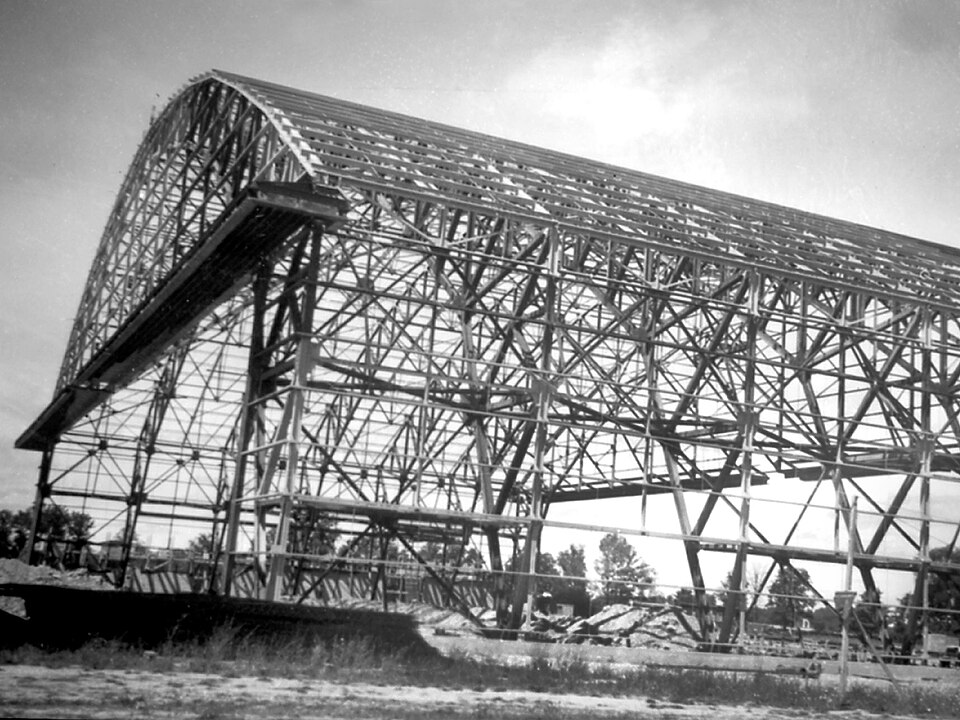
A steel aircraft hangar in Mexico is a capital item, not a catalog purchase. The buyer has to align span, height, coating, drainage, fire access, shipping limits and erection labor before a reliable price can be issued. This guide is written for engineering procurement teams, contractors, architects and industrial owners comparing a Chinese fabricated steel package with local civil works and installation. The target keyword is steel aircraft hangar Mexico, but the more important goal is to give enough detail for a technical request for quotation. Typical projects include regional airports, private MRO bays, mining aviation support, agricultural aviation shelters and border logistics airfields. The local environment brings coastal corrosion near Gulf or Pacific sites, high solar gain, desert dust in the north and hurricane exposure in some states, so specification choices have direct cost and service-life impact.
SteelStructurePrefab supplies export steel buildings with shop drawings, welded H sections, secondary members, roof and wall cladding, fasteners, trims and loading documents. Buyers can review our prefab steel warehouse, compare related steel workshop buildings, or send drawings through request an engineering quote for a project-specific check.
Why Mexico Buyers Choose Prefabricated Steel
For Mexico industrial projects, a prefabricated steel frame shortens the site program because cutting, drilling, welding and trial fitting are completed before shipment. Site crews receive numbered columns, rafters, bracing, purlins and panels instead of raw steel. This reduces hot work on site and helps contractors control labor risk.
The system also gives owners room for future expansion. End-wall frames can be designed for removal, column lines can be set for future bays, and crane runway beams can be added if the first phase only needs storage. For a steel aircraft hangar Mexico enquiry, these points should be decided before price comparison.
A low first price can become expensive when the quotation omits bracing, gutters, downpipes, high-strength bolts, touch-up paint, insulation, ridge vents or engineered anchors. Buyers should compare the bill of materials line by line, not only the total steel tonnage.
Structural Design Basis and Load Checks
The design basis should state building length, clear span, eave height, bay spacing, roof slope, column base condition and enclosure type. For Mexico, design must address large clear-span roof design, hangar door wind load, lateral bracing, seismic review, uplift at column bases and serviceability around sliding or folding doors. The supplier should issue calculation notes or design assumptions so the local engineer can review them against permit requirements.
- Primary frame: welded H-section columns and rafters, normally Q355 or equivalent structural steel.
- Secondary members: galvanized Z or C purlins and girts, sized for wind suction and roof service loads.
- Bracing: roof horizontal bracing, wall cross bracing, flange braces and portal bracing where door openings interrupt normal bays.
- Connections: high-strength bolts for main frame joints and ordinary bolts for secondary steel, with clear bolt grade and torque notes.
- Foundation interface: anchor bolt plan, base plate size, shear key or tie beam notes where needed.
Climate, Local Codes and Approval Issues in Mexico
The local climate affects both structure and enclosure. Coastal corrosion near gulf or pacific sites, high solar gain, desert dust in the north and hurricane exposure in some states mean roof sheet thickness, fastener choice, sealant quality and coating class should be selected early. In coastal or industrial sites, a basic shop primer may not be enough for long service life.
For international projects, many owners reference the International Building Code reference or ASCE 7 load standard for load principles, then have a local registered engineer adapt values for the authority having jurisdiction. Corrosion categories can be discussed with reference to ISO 12944 corrosion protection.
Permit teams usually ask for drawings that show elevations, sections, member sizes, connection details, cladding specification, fire egress openings and foundation reactions. If the building includes cranes, mezzanines, cold rooms, solar panels or high rack storage, these loads must be declared before fabrication.
Material Specification
| Item | Recommended specification | Procurement note |
| Main columns and rafters | Q355B or equivalent welded H section | Mill certificates and weld inspection records should be available |
| Purlins and girts | Galvanized Z/C sections, often 1.8-3.0 mm | Check spacing against roof sheet span and wind suction |
| Roof and wall panels | Color-coated steel sheet or sandwich panel | Select insulation and coating for heat, humidity and fire needs |
| Bolts | 10.9S for main joints where specified | Ship spare bolts and mark each connection clearly |
| Bracing | Round bar, angle or pipe bracing | Do not remove bracing for doors without redesign |
| Accessories | Gutters, downpipes, ridge caps, flashing, skylights | Include in quote to avoid site shortages |
Surface Treatment and Corrosion Protection
Surface treatment should be matched to the exposure zone. For dry inland industrial buildings, shot blasting to Sa 2.5 followed by epoxy zinc-rich primer and finish paint is common. For coastal zones, hot-dip galvanizing or a heavier multi-coat paint system may be justified.
In Mexico, buyers should also review cut-edge protection, fastener coating, roof washer quality and panel paint warranty. Corrosion often starts at panel laps, gutter joints, drilled holes and unwashed dust deposits. A maintenance plan should include periodic washing, sealant inspection and repainting of damaged areas.
If food, chemical, fertilizer or poultry operations are planned, tell the supplier before quotation. Ammonia, salt, cleaning chemicals and high humidity can change the correct coating system.
Cost and Specification Table for Early Budgeting
For a preliminary steel aircraft hangar Mexico budget, use the following ranges only as a screening guide. US$85-180/m² FOB for frame and cladding, while hangar doors, fire systems and MEP are normally quoted separately. Freight, local tax, foundation, erection equipment, MEP, fire approval and interior fit-out are separate unless the contract says otherwise.
| Building type | Typical span/eave height | Steel weight guide | FOB package range |
| Light storage shed | 18-30 m span / 6-8 m eave | 25-38 kg/m² | US$45-80/m² |
| Industrial warehouse | 30-45 m span / 8-12 m eave | 35-55 kg/m² | US$60-125/m² |
| Crane workshop | 18-36 m span / 9-14 m eave | 55-90 kg/m² | US$85-160/m² |
| Insulated factory | 24-42 m span / 7-12 m eave | 40-70 kg/m² | US$75-150/m² |
| Special clear span building | 45 m+ span / project based | Project based | Quoted after calculation |
Installation Program and Site Coordination
A normal installation sequence starts with anchor bolt survey, unloading by member mark, column erection, rafter assembly, roof bracing, purlin installation, alignment, roof panel work, wall panel work, trim, doors and final bolt checks. A small warehouse can be erected in several weeks after foundations cure; larger facilities may need two to four months depending on cranes, weather and crew size.
For Mexico, plan lifting times around heat, rain or high wind. The site should have compacted access roads, a laydown area, mobile crane pads and safe storage for panels. Damaged panels should be separated immediately so replacement quantities are clear.
Our factory quality control process checks member marking, packing lists and loading photos before shipment. This helps the contractor match containers to erection zones and reduces searching time on site.
Quotation Documents Buyers Should Prepare
- Site location, coordinates and exposure conditions.
- Architectural layout with length, width, eave height and roof slope.
- Required clear openings, dock doors, hangar doors or rolling shutters.
- Crane data: capacity, span, hook height, duty class and runway length.
- Roof loads: solar panels, ducts, sprinklers, suspended ceiling or maintenance walkways.
- Cladding choice: single sheet, insulated sandwich panel, skylight ratio and ventilation needs.
- Local code, wind speed, seismic data and any authority template if available.
Common Buyer Questions
How long does a steel aircraft hangar quotation take?
A budget price can often be prepared after layout, height, location and cladding choice are known. A firm offer with member sizes needs load data, door schedule and design assumptions.
Can the steel package be approved by a local engineer?
Yes. The export supplier can provide drawings, calculation assumptions and material certificates. A local engineer should review and stamp documents according to local law.
Is hot-dip galvanizing always required?
No. It depends on exposure, budget and service life. Coastal, chemical and high-humidity buildings often benefit from galvanizing or a heavier paint system.
What is the main reason prices differ between suppliers?
Differences usually come from load assumptions, steel grade, member weight, panel thickness, coating, accessories, packing standard and whether engineering documents are included.
What should Mexico buyers check before paying a deposit?
Check company registration, export records, drawing scope, payment terms, inspection points, delivery schedule, warranty wording and whether the quotation includes every accessory needed for enclosure.
Procurement Advice for Mexico Projects
Start with function, not only square meters. A steel aircraft hangar Mexico for high-bay racking needs different column spacing and floor coordination than a low storage shed. A workshop with cranes needs runway beams, lateral bracing and stricter deflection limits. A humid food facility needs better roof insulation and corrosion control.
Ask each bidder for a scope matrix: main frame, secondary steel, cladding, bolts, accessories, drawings, packing, freight and site guidance. This makes comparison fair and reduces claims after shipment.
For project review, send layout drawings and site data to SteelStructurePrefab contact team. You can also browse steel structure building supplier information and related product pages before preparing an RFQ.
Additional Engineering Checklist
For Mexico procurement teams, one practical check is to ask whether every structural assumption is visible in the drawings. Confirm wind exposure, roof collateral loads, wall openings, thermal insulation, gutter capacity, anchor bolt layout, shipping split, site bolt grade, panel overlap and coating repair method. These items are small on paper, yet they decide whether the steel aircraft hangar can be erected without redesign or material shortage.
For Mexico procurement teams, one practical check is to ask whether every structural assumption is visible in the drawings. Confirm wind exposure, roof collateral loads, wall openings, thermal insulation, gutter capacity, anchor bolt layout, shipping split, site bolt grade, panel overlap and coating repair method. These items are small on paper, yet they decide whether the steel aircraft hangar can be erected without redesign or material shortage.
For Mexico procurement teams, one practical check is to ask whether every structural assumption is visible in the drawings. Confirm wind exposure, roof collateral loads, wall openings, thermal insulation, gutter capacity, anchor bolt layout, shipping split, site bolt grade, panel overlap and coating repair method. These items are small on paper, yet they decide whether the steel aircraft hangar can be erected without redesign or material shortage.
For Mexico procurement teams, one practical check is to ask whether every structural assumption is visible in the drawings. Confirm wind exposure, roof collateral loads, wall openings, thermal insulation, gutter capacity, anchor bolt layout, shipping split, site bolt grade, panel overlap and coating repair method. These items are small on paper, yet they decide whether the steel aircraft hangar can be erected without redesign or material shortage.
For Mexico procurement teams, one practical check is to ask whether every structural assumption is visible in the drawings. Confirm wind exposure, roof collateral loads, wall openings, thermal insulation, gutter capacity, anchor bolt layout, shipping split, site bolt grade, panel overlap and coating repair method. These items are small on paper, yet they decide whether the steel aircraft hangar can be erected without redesign or material shortage.
For Mexico procurement teams, one practical check is to ask whether every structural assumption is visible in the drawings. Confirm wind exposure, roof collateral loads, wall openings, thermal insulation, gutter capacity, anchor bolt layout, shipping split, site bolt grade, panel overlap and coating repair method. These items are small on paper, yet they decide whether the steel aircraft hangar can be erected without redesign or material shortage.
For Mexico procurement teams, one practical check is to ask whether every structural assumption is visible in the drawings. Confirm wind exposure, roof collateral loads, wall openings, thermal insulation, gutter capacity, anchor bolt layout, shipping split, site bolt grade, panel overlap and coating repair method. These items are small on paper, yet they decide whether the steel aircraft hangar can be erected without redesign or material shortage.
For Mexico procurement teams, one practical check is to ask whether every structural assumption is visible in the drawings. Confirm wind exposure, roof collateral loads, wall openings, thermal insulation, gutter capacity, anchor bolt layout, shipping split, site bolt grade, panel overlap and coating repair method. These items are small on paper, yet they decide whether the steel aircraft hangar can be erected without redesign or material shortage.
For Mexico procurement teams, one practical check is to ask whether every structural assumption is visible in the drawings. Confirm wind exposure, roof collateral loads, wall openings, thermal insulation, gutter capacity, anchor bolt layout, shipping split, site bolt grade, panel overlap and coating repair method. These items are small on paper, yet they decide whether the steel aircraft hangar can be erected without redesign or material shortage.
For Mexico procurement teams, one practical check is to ask whether every structural assumption is visible in the drawings. Confirm wind exposure, roof collateral loads, wall openings, thermal insulation, gutter capacity, anchor bolt layout, shipping split, site bolt grade, panel overlap and coating repair method. These items are small on paper, yet they decide whether the steel aircraft hangar can be erected without redesign or material shortage.
For Mexico procurement teams, one practical check is to ask whether every structural assumption is visible in the drawings. Confirm wind exposure, roof collateral loads, wall openings, thermal insulation, gutter capacity, anchor bolt layout, shipping split, site bolt grade, panel overlap and coating repair method. These items are small on paper, yet they decide whether the steel aircraft hangar can be erected without redesign or material shortage.
For Mexico procurement teams, one practical check is to ask whether every structural assumption is visible in the drawings. Confirm wind exposure, roof collateral loads, wall openings, thermal insulation, gutter capacity, anchor bolt layout, shipping split, site bolt grade, panel overlap and coating repair method. These items are small on paper, yet they decide whether the steel aircraft hangar can be erected without redesign or material shortage.
For Mexico procurement teams, one practical check is to ask whether every structural assumption is visible in the drawings. Confirm wind exposure, roof collateral loads, wall openings, thermal insulation, gutter capacity, anchor bolt layout, shipping split, site bolt grade, panel overlap and coating repair method. These items are small on paper, yet they decide whether the steel aircraft hangar can be erected without redesign or material shortage.
For Mexico procurement teams, one practical check is to ask whether every structural assumption is visible in the drawings. Confirm wind exposure, roof collateral loads, wall openings, thermal insulation, gutter capacity, anchor bolt layout, shipping split, site bolt grade, panel overlap and coating repair method. These items are small on paper, yet they decide whether the steel aircraft hangar can be erected without redesign or material shortage.
For Mexico procurement teams, one practical check is to ask whether every structural assumption is visible in the drawings. Confirm wind exposure, roof collateral loads, wall openings, thermal insulation, gutter capacity, anchor bolt layout, shipping split, site bolt grade, panel overlap and coating repair method. These items are small on paper, yet they decide whether the steel aircraft hangar can be erected without redesign or material shortage.
For Mexico procurement teams, one practical check is to ask whether every structural assumption is visible in the drawings. Confirm wind exposure, roof collateral loads, wall openings, thermal insulation, gutter capacity, anchor bolt layout, shipping split, site bolt grade, panel overlap and coating repair method. These items are small on paper, yet they decide whether the steel aircraft hangar can be erected without redesign or material shortage.
For Mexico procurement teams, one practical check is to ask whether every structural assumption is visible in the drawings. Confirm wind exposure, roof collateral loads, wall openings, thermal insulation, gutter capacity, anchor bolt layout, shipping split, site bolt grade, panel overlap and coating repair method. These items are small on paper, yet they decide whether the steel aircraft hangar can be erected without redesign or material shortage.
For Mexico procurement teams, one practical check is to ask whether every structural assumption is visible in the drawings. Confirm wind exposure, roof collateral loads, wall openings, thermal insulation, gutter capacity, anchor bolt layout, shipping split, site bolt grade, panel overlap and coating repair method. These items are small on paper, yet they decide whether the steel aircraft hangar can be erected without redesign or material shortage.
For Mexico procurement teams, one practical check is to ask whether every structural assumption is visible in the drawings. Confirm wind exposure, roof collateral loads, wall openings, thermal insulation, gutter capacity, anchor bolt layout, shipping split, site bolt grade, panel overlap and coating repair method. These items are small on paper, yet they decide whether the steel aircraft hangar can be erected without redesign or material shortage.
For Mexico procurement teams, one practical check is to ask whether every structural assumption is visible in the drawings. Confirm wind exposure, roof collateral loads, wall openings, thermal insulation, gutter capacity, anchor bolt layout, shipping split, site bolt grade, panel overlap and coating repair method. These items are small on paper, yet they decide whether the steel aircraft hangar can be erected without redesign or material shortage.
For Mexico procurement teams, one practical check is to ask whether every structural assumption is visible in the drawings. Confirm wind exposure, roof collateral loads, wall openings, thermal insulation, gutter capacity, anchor bolt layout, shipping split, site bolt grade, panel overlap and coating repair method. These items are small on paper, yet they decide whether the steel aircraft hangar can be erected without redesign or material shortage.
For Mexico procurement teams, one practical check is to ask whether every structural assumption is visible in the drawings. Confirm wind exposure, roof collateral loads, wall openings, thermal insulation, gutter capacity, anchor bolt layout, shipping split, site bolt grade, panel overlap and coating repair method. These items are small on paper, yet they decide whether the steel aircraft hangar can be erected without redesign or material shortage.
For Mexico procurement teams, one practical check is to ask whether every structural assumption is visible in the drawings. Confirm wind exposure, roof collateral loads, wall openings, thermal insulation, gutter capacity, anchor bolt layout, shipping split, site bolt grade, panel overlap and coating repair method. These items are small on paper, yet they decide whether the steel aircraft hangar can be erected without redesign or material shortage.