
Steel Workshop in Vietnam: Specification and Procurement Guide for Industrial and Coastal Sites

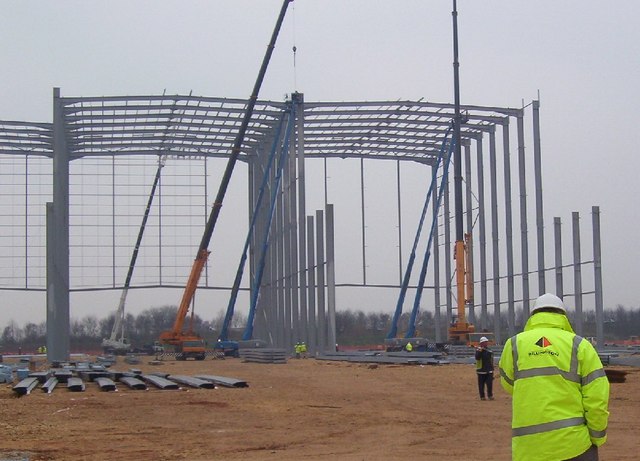
Vietnam’s manufacturing boom has pushed steel workshop demand to record levels across the northern industrial corridor, the southern key economic zone, and the central coastal provinces. For factory operators, contractors, and industrial park developers, a prefab steel workshop in Vietnam offers the speed and cost control that brick-and-concrete construction cannot match when production schedules are tight. This guide covers structural design, loading conditions, material specifications, corrosion protection for a humid tropical climate, installation timelines, and realistic budget ranges for buyers sourcing steel workshop buildings for sites in Hanoi, Bac Ninh, Hai Phong, Ho Chi Minh City, Binh Duong, Dong Nai, and Da Nang.
Why Steel Workshops Fit Vietnam’s Manufacturing Growth
Foreign direct investment into electronics, textiles, footwear, furniture, and component assembly continues to fill industrial parks from Bac Ninh to Long An. Tenants want production space online quickly, and landlords want flexible spans that suit multiple tenant types. A prefab steel frame answers both needs. Clear spans of 18 to 36 meters give an open floor plate for assembly lines, automated storage, and overhead handling without a forest of internal columns.
The fabricated approach also suits Vietnam’s labor and logistics reality. Members are cut, drilled, welded, and coated in a controlled factory, then shipped to site as a kit. On-site work becomes bolted assembly rather than wet trades, which shortens the build and reduces the skilled-labor burden at locations where experienced welders are scarce. For developers building several identical workshop bays in a park, repeatable steel framing keeps quality consistent across units.
Structural Design and Code Basis
Most Vietnamese projects design to the national standard set, with international references where investors require them. Common bases include:
- TCVN 2737 for loads and actions on structures, covering dead, live, wind, and combination cases.
- TCVN 5575 for steel structure design, the primary domestic steel code.
- AISC 360 or Eurocode 3 where a foreign parent company specifies an international standard for internal compliance.
The workhorse system is the clear-span gable portal frame built from welded tapered I-sections. Columns and rafters follow the bending moment diagram, so steel sits where stress demands it. Crane-served workshops add bracket-mounted runway beams sized for the hoist capacity, with separate crane surge load cases checked against the frame and foundations.
| Parameter | Typical Vietnam Workshop Range |
|---|---|
| Clear span | 18 m – 36 m (single span); wider with multi-span |
| Eave height | 6 m – 12 m |
| Bay spacing | 6 m – 9 m |
| Overhead crane | 5 t – 32 t where required |
| Roof slope | 5% – 10% |
Wind, Typhoon, and Seismic Loads
Vietnam’s central and northern coasts face annual typhoons, so wind governs design for most workshop projects. Basic wind speed varies by region map zone; coastal provinces such as Quang Ninh, Hai Phong, Thanh Hoa, and the central belt around Da Nang carry the higher design pressures. Frames in these zones need stronger bracing, heavier anchor bolts, and roof sheeting fasteners rated for uplift.
- Wind: design pressure follows the TCVN 2737 regional wind map; coastal typhoon zones require uplift-rated purlin and sheeting connections.
- Seismic: most of Vietnam sits in low-to-moderate seismic zones, but the northwest and parts of the north carry higher coefficients that must be checked.
- Roof live and rain load: heavy monsoon rainfall makes drainage capacity and gutter sizing a real design item, not an afterthought.
Buyers should give the supplier the exact site coordinates so the correct wind region and any seismic coefficient feed the model. A frame designed for an inland Binh Duong site will be under-braced if it is later erected on the Hai Phong waterfront.
Material Specifications
Main frames typically use Q355B (equivalent to S355) for primary members and Q235B for secondary steel, or locally rolled and imported grades to the same yield. Specify the grade, not just “steel,” so the mill certificates can be checked on delivery.
| Component | Typical Specification |
|---|---|
| Primary frame | Q355B welded H-section, tapered |
| Secondary (purlins/girts) | Q235B / Q355 cold-formed C or Z, 1.5-3.0 mm |
| Roof/wall cladding | 0.4-0.6 mm color-coated steel; insulated panel option |
| Anchor bolts | Grade 8.8, hot-dip galvanized |
| High-strength bolts | Grade 8.8 / 10.9 to connection design |
For humid sites, an insulated sandwich panel (PU, PIR, or rock wool core) reduces condensation and heat gain compared with single-skin sheeting, which matters for electronics and food-grade tenants.
Surface Treatment and Corrosion Protection for a Tropical Climate
Vietnam’s heat, humidity, and coastal salt make corrosion protection a primary specification, not a finishing detail. The right system depends on the ISO 12944 corrosivity category for the site: inland parks often sit in C3, while coastal and estuary sites reach C4 or C5.
- C3 inland: abrasive blast to Sa 2.5, zinc-rich primer plus intermediate and topcoat, total dry film around 200-240 microns.
- C4-C5 coastal: hot-dip galvanizing or a heavier multi-coat system, 280 microns or more, with galvanized secondary steel and stainless fasteners at exposed connections.
- Crane-served bays: protect runway beams and brackets to the same grade, since these are hard to recoat once the hoist is running.
Ask the supplier to state the blast standard, the number of coats, the product data sheets, and the total dry film thickness in the contract. A vague “anti-rust paint” line is the most common cause of early coating failure in tropical projects.
Application Scenarios
- Electronics and component assembly in Bac Ninh and Bac Giang, where clean, column-free floor space supports line layout flexibility.
- Textile and footwear production in the south and central provinces, often with large mezzanine office and QC areas.
- Furniture and woodworking workshops needing dust extraction runs and wide door openings for material handling.
- Mechanical and metalworking shops with 10-32 t overhead cranes for fabrication and heavy assembly.
- Logistics and light manufacturing combos in mixed-use industrial parks around Ho Chi Minh City.
Installation Timeline
A standard single-span workshop of 2,000 to 5,000 square meters typically runs on this schedule once the contract and deposit are settled:
| Stage | Indicative Duration |
|---|---|
| Design and shop drawing approval | 2-3 weeks |
| Fabrication and coating | 4-6 weeks |
| Sea freight to Vietnamese port | 1-2 weeks |
| Customs clearance and inland haul | 1 week |
| Site erection and cladding | 4-8 weeks (size dependent) |
Foundations are often poured in parallel with fabrication, so the steel arrives to a ready slab. For projects with a parent factory deadline, lock the design freeze early; late layout changes are the main cause of schedule slip. Our steel building installation timeline guide breaks down each phase in more detail.
Budget and Cost Ranges
Prices move with steel index, span, height, crane capacity, cladding spec, and corrosion grade. As an order-of-magnitude guide for EXW or FOB China supply of the steel building kit, exclusive of Vietnamese foundations, local labor, and import duties:
| Building Type | Indicative Supply Range (USD/m²) |
|---|---|
| Basic single-skin workshop, no crane | 40 – 60 |
| Insulated-panel workshop, light crane | 60 – 95 |
| Heavy crane / coastal high-spec | 95 – 140 |
Erected, all-in turnkey costs in Vietnam land higher once foundations, local installation, and duties are added. Treat these as planning figures and confirm against a drawing-based quotation. The steel building cost guide explains what drives each line, and the quote requirements page lists the information a supplier needs to price accurately.
Local Regulations, Import, and Climate
Imported steel building kits clear Vietnamese customs under standard HS codes for fabricated structural steel; work with a supplier experienced in the documentation so the packing list, mill certificates, and origin papers line up. Industrial park projects also need a local design appraisal and construction permit, usually handled by a Vietnamese design institute that stamps the drawings to TCVN. A good overseas fabricator will issue calculations and drawings in a format the local institute can review and co-seal.
Climate-wise, plan for high humidity year round, intense monsoon rain, and typhoon exposure on the coast. These drive the corrosion grade, the drainage design, and the wind bracing. Ventilation matters too: ridge vents, wall louvers, and turbine extractors keep workshop temperatures workable without heavy mechanical cooling.
Foundation and Site Considerations
Much of southern Vietnam, especially the Mekong Delta and parts of Ho Chi Minh City, sits on soft alluvial soil with low bearing capacity and high water tables. This often means pile foundations rather than simple pad footings. The steel superstructure is light compared with concrete, which reduces pile demand, but the geotechnical report still governs the foundation design. Northern sites around Hanoi and Bac Ninh generally offer firmer ground.
- Commission a soil investigation before finalizing the foundation type.
- Share the column reactions and base shear from the steel design with the local geotechnical engineer.
- Allow for anchor-bolt setting templates so the imported frame lands on correctly positioned bolts.
Coordinating the anchor bolt layout between the overseas fabricator and the local foundation contractor prevents the single most expensive site problem: a frame that does not match the cast-in bolts.
Quality Control and Documentation
Production quality decides how the building performs for the next few decades. Ask the supplier for a documented QC chain covering material, welding, and coating:
- Mill test certificates matched to the steel grade specified.
- Welder qualification records and weld inspection reports, with NDT on critical welds.
- Coating inspection: surface profile, dry film thickness readings, and adhesion checks.
- Dimensional checks against shop drawings before shipment.
- Third-party inspection (SGS, BV, or equivalent) where the contract calls for it.
Our steel structure quality control guide sets out what a complete inspection package should contain. International standards such as ISO 9001 quality management and structural welding codes underpin a credible factory’s process.
Prefab Steel Versus Concrete Frame in Vietnam
Concrete remains common for low-rise factory shells, but for clear-span workshops the steel frame usually wins on schedule and flexibility:
| Factor | Prefab Steel | Concrete Frame |
|---|---|---|
| Build speed | Faster, parallel fab and foundation | Slower, sequential wet trades |
| Clear span | Large spans straightforward | Limited without heavy beams |
| Future expansion | Bolt-on bays simple | Difficult to extend |
| Foundation load | Lighter, helps on soft soil | Heavier |
| Corrosion | Needs coating system | Needs cover/durability detailing |
The reference base for steel design principles is well documented by bodies such as the American Institute of Steel Construction, whose specifications many international tenants cite.
Roof and Wall Cladding Choices for Vietnamese Workshops
Cladding is where comfort, energy use, and durability meet. Single-skin color-coated steel is the cheapest envelope and suits open workshops where internal temperature control is not critical. For tenants running electronics, food processing, or any climate-sensitive line, insulated sandwich panels pay back through lower cooling load and reduced condensation.
- Single-skin profiled sheet: 0.4-0.6 mm color-coated steel, lowest cost, best for naturally ventilated bays.
- PU/PIR sandwich panel: 50-100 mm core, strong thermal performance, common for conditioned production halls.
- Rock wool sandwich panel: better fire rating, chosen where insurers or tenants require non-combustible cores.
- Translucent roof lights: FRP or polycarbonate panels cut daytime lighting cost, typically 2-3% of roof area.
In Vietnam’s heat, roof color and reflectivity matter. A light, high-reflectance roof finish lowers surface temperature and reduces the heat pushed into the workspace. Combined with ridge ventilation, this keeps a single-skin workshop usable through the hot season without heavy air conditioning.
Mezzanines and Office Integration
Most Vietnamese workshops need integrated office, QC, and welfare space. A steel mezzanine built into the frame is the efficient answer, adding floor area without extending the footprint. Typical arrangements place a two-story office block along one gable end or down one side, with the production floor kept clear.
- Mezzanine live loads of 2.5-5.0 kN/m² for office and light storage use.
- Composite steel-and-concrete deck or steel grating, depending on use.
- Separate stair and, where required, goods lift integrated into the steel design.
Designing the mezzanine into the original frame is far cheaper than retrofitting one later, so tell the supplier your office area needs at the enquiry stage. The frame columns and foundations can then carry the extra load from day one.
Ventilation, Lighting, and Energy Efficiency
Operating cost over a workshop’s life dwarfs the construction cost, so the envelope and services deserve attention. Passive measures do most of the work in Vietnam’s climate:
- Ridge ventilators and turbine extractors drive natural stack ventilation, pulling hot air out at the roof.
- Wall louvers and openable panels bring cooler air in at low level for cross-flow.
- Roof lights reduce daytime electric lighting demand.
- Insulated panels cut the cooling load where mechanical cooling is used.
- Solar-ready roofs: many Vietnamese factories now add rooftop PV, so design the purlins and frame for the extra dead load if solar is on the roadmap.
Specifying a solar-ready roof at the design stage costs little and avoids reinforcing the structure later when a power purchase agreement or self-consumption PV system is added.
Working With an Overseas Fabricator
Buying a steel workshop from a China-based fabricator for a Vietnamese site is a well-trodden path, but it works best when responsibilities are clear from the start. Confirm the scope split before signing:
| Scope Item | Usually Overseas Fabricator | Usually Local in Vietnam |
|---|---|---|
| Structural design and shop drawings | Yes | Appraisal/co-seal |
| Fabrication and coating | Yes | No |
| Sea freight | Often (FOB/CIF) | Receiving |
| Foundations | Design input | Construction |
| Site erection | Supervision option | Labor |
| Permit and appraisal | Document support | Submission |
A fabricator that has shipped to Vietnam before will understand the documentation, the port handling, and the local appraisal expectation. Ask for references on completed Vietnamese projects and confirm whether erection supervision is included or quoted separately.
Lifecycle and Maintenance
A well-specified steel workshop in Vietnam should serve for decades with modest upkeep. The maintenance program centers on the coating and the envelope:
- Inspect the coating annually, focusing on cut edges, fasteners, and any mechanical damage; touch up promptly.
- Clear gutters and downpipes before each monsoon season to handle peak rainfall.
- Check fastener tightness on cladding and bracing after the first year and periodically thereafter.
- Re-coat exposed steel on the planned cycle for the corrosion category, typically 10-15 years for a well-applied system.
- For crane bays, inspect runway alignment and bracket connections as part of the lifting equipment regime.
Keeping the as-built drawings, coating records, and QC documents on file makes future maintenance, expansion, and any insurance or compliance review far smoother.
Indicative Budget Ranges for Vietnam Projects
Pricing moves with steel market rates, span, height, crane provision, and cladding choice, so treat the figures below as planning guidance rather than a firm quote. They reflect supplied-and-delivered steelwork with cladding for a Vietnamese coastal or industrial-park site, excluding foundations and local labor.
| Workshop Type | Typical Span | Indicative Rate (USD/m², steel + envelope) |
|---|---|---|
| Basic single-skin workshop | 18-24 m | 45-65 |
| Insulated production hall | 24-30 m | 70-95 |
| Crane workshop (10-20 t) | 24-36 m | 90-130 |
| Multi-bay industrial complex | 30 m+ per bay | 85-140 |
Several factors push a project toward the upper end of these ranges:
- Heavy crane duty, which drives larger columns, runway beams, and bracing.
- High eaves needed for tall equipment or racking.
- Coastal corrosion category requiring a heavier coating system or hot-dip galvanizing.
- Insulated sandwich panels and architectural finishes.
- Higher wind zone for typhoon-exposed coastal locations.
To get an accurate figure, give the fabricator the plan dimensions, clear height, crane requirement, site location, and intended use. A complete enquiry returns a tighter quote and avoids the rework that comes from guessing at the brief.
Maintenance Over the Building Life
A coastal workshop in Vietnam needs a light but consistent upkeep routine to reach its design life. Salt-laden air attacks coatings at fixings, panel laps, and cut edges first, so those are the points to watch.
- Wash down cladding and exposed steel once or twice a year to remove salt and dust buildup near the coast.
- Inspect bolted connections and bracing after the first wet season and after any major storm.
- Touch up coating damage at scratches and cut edges before rust spreads under the film.
- Clear roof gutters and downpipes ahead of the monsoon to prevent ponding and overflow.
- Keep a record of crane runway alignment checks where lifting equipment is installed.
None of this is heavy work, but skipping it shortens coating life and invites corrosion in exactly the conditions Vietnamese coastal sites present. Build the schedule into the facility plan from handover.
Common Buyer Questions
How long does a steel workshop take to build in Vietnam?
From contract to a weathertight building, plan on roughly 10 to 16 weeks for a standard single-span workshop, depending on size and whether foundations run in parallel. Fabrication and coating take 4 to 6 weeks, shipping adds 2 to 3 weeks, and erection runs 4 to 8 weeks.
What does a prefab steel workshop cost in Vietnam?
Supply of the steel kit typically ranges from about 40 to 140 USD per square meter depending on span, crane, cladding, and corrosion grade. Turnkey erected costs in Vietnam are higher once foundations, local labor, and import duties are included.
Can the building handle typhoon wind on the coast?
Yes, provided it is designed for the correct TCVN wind region. Coastal sites in the central and northern belts need heavier bracing, uplift-rated fasteners, and stronger anchor bolts. Always give the supplier the exact site location.
Do I need a local design institute?
For permitting, yes. A Vietnamese design institute usually appraises and co-seals the drawings to TCVN. A capable overseas fabricator supplies calculations and drawings the institute can review.
What corrosion protection should I specify?
Match it to the ISO 12944 category: a zinc-rich multi-coat system around 200 microns inland, and hot-dip galvanizing or a heavier 280-micron-plus system on the coast.
Can a crane be added later?
Only if the frame and foundations were designed for crane loads from the start. Retrofitting a crane into a frame designed without it usually requires reinforcement. Specify the crane capacity up front even if installation is phased.
Procurement Recommendation
For a steel workshop in Vietnam, give priority to suppliers that design to TCVN with international code cross-checks, state the corrosion system explicitly against the ISO 12944 site category, and provide a complete QC and documentation package for customs and local appraisal. Lock the layout and crane capacity early, commission the soil report before foundation design, and coordinate the anchor bolt layout between the overseas fabricator and the local contractor. When you are ready to price a specific project, send the site location, building dimensions, crane requirement, and target schedule to our team through the get a quote page, and review the steel workshop product page for system options.