
Nigeria Steel Structure Workshop Guide for Lagos, Ogun and Port Harcourt Industrial Projects

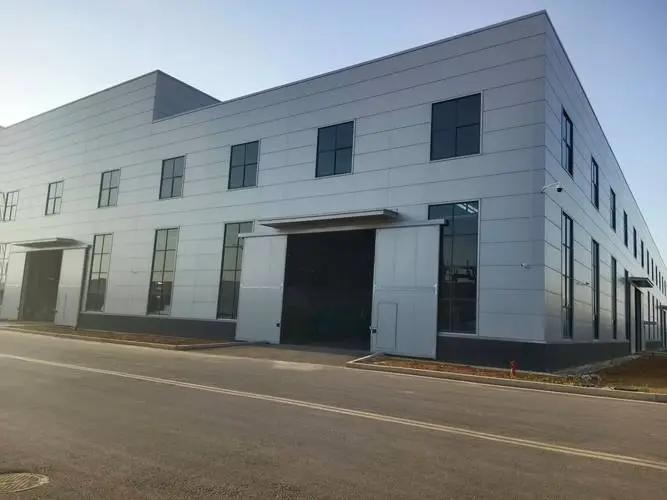
For project owners planning a steel structure workshop in Lagos, Ogun, Port Harcourt, Aba, Kano and Abuja industrial corridors, the first decision is not only the building size. The better question is whether the steel frame, cladding, corrosion system and erection plan match the site conditions, approval route and operating model. Nigeria buyers, contractors and industrial-park teams often compare local concrete work with an imported steel building kit because the schedule, clear span and future expansion value can change the project economics.
This guide is written for engineering procurement teams, EPC contractors, architects, logistics operators and factory owners who need a practical buying brief before requesting drawings and a price. It covers design loads, materials, surface treatment, installation schedule, budget ranges and documents that should be checked before a purchase order is signed for a Nigeria steel structure workshop.
A good supplier should not sell one standard frame for every country. The quotation should ask for the exact city, site exposure, building use, rack or crane load, soil report status, required clear height, doors, insulation, fire-rating needs and expected expansion direction. Those details decide steel tonnage, connection design and the risk level during approval and installation.
Why Nigeria Buyers Choose Prefab Steel Buildings
Industrial projects in Nigeria often need fast enclosure, large internal space and lower maintenance than temporary sheds. A prefab steel building answers these needs when the frame is engineered as a kit: columns, rafters, bracing, purlins, girts, roof sheets, wall sheets, bolts, trims and accessories are fabricated before shipment. Site work then focuses on foundations, unloading, bolted assembly, alignment and envelope closing.
For a steel structure workshop, the main business value is clear workflow. Forklifts, racking, production equipment, trucks and overhead services can be arranged with fewer internal columns. If the owner expects the tenant mix or production line to change later, a portal-frame steel building also allows side-wall extension, end-wall extension or mezzanine planning more easily than many heavy masonry systems.
- Faster roof coverage for projects working under tight lease, port or tenant handover dates in Nigeria.
- Clear-span options that suit storage aisles, workshop cranes, loading bays and equipment movement.
- Factory-cut members that reduce site cutting errors and help contractors control quality.
- Predictable packing lists for shipping, customs clearance and site inventory checks.
- Flexible wall systems for ventilation, skylights, louvers, sandwich panels or insulated roof assemblies.
Project Scenarios in Lagos, Ogun, Port Harcourt, Aba, Kano and Abuja industrial corridors
The most common demand we see for Nigeria is not a decorative commercial shell. Buyers usually need a working industrial box that can take daily impact, heat, maintenance activity and future change. Typical uses include fabrication bays, vehicle service workshops, food-processing plants, packaging lines, plastics workshops, repair depots and equipment assembly halls. Each use changes the frame and cladding details.
A storage warehouse with pallet racking needs good column-grid coordination, roof drainage and dock-door planning. A workshop with welding, machining or vehicle repair needs better ventilation, more service openings, crane runway checks and floor coordination. A food or packaging facility needs hygiene planning, condensation control and pest-proof detailing around roof and wall closures.
Before design starts, the buyer should provide a process layout, target clear height, truck circulation plan, equipment loads, proposed foundation type and any local authority comments already received in Nigeria. Even a simple sketch can prevent expensive changes after shop drawings are issued.
Structural Design Basis: Loads First, Steel Weight Second
Some buyers compare quotations only by price per square meter. That is risky because two buildings with the same footprint may have very different steel weights. Wind speed, seismic zone, roof live load, suspended services, crane loads, snow or ponding checks, and cladding type all affect the final frame. A low price that ignores these points may create approval problems or site reinforcement costs later.
For Nigeria, the design brief should state the governing code basis and the load values accepted by the project engineer. The exported steel package can be designed to common standards such as AISC, Eurocode or GB, but local approval still depends on the engineer of record and authority process. The supplier should give calculation sheets, anchor-bolt plans, member lists and connection details for review.
| Design Item | Buyer Input Needed | Effect on Quote |
|---|---|---|
| Wind load | Basic wind speed, exposure category, building height and door openings | Controls frame size, bracing, purlin spacing and cladding fasteners |
| Snow or roof live load | Local requirement, roof slope, maintenance load and solar-panel plan | Changes rafter size, purlin selection and roof deflection limits |
| Seismic load | Site seismic parameter, soil class and occupancy category | Affects bracing layout, connection design and anchor bolts |
| Crane or equipment load | Capacity, span, hook height, duty class and runway length | Adds columns, brackets, runway beams and lateral checks |
| Mezzanine or platform | Live load, access stair, forklift interface and fire egress | Adds beams, deck, columns and vibration checks |
Wind, Snow and Seismic Checks for Nigeria
Wind and Door Pressure
Nigeria projects should treat wind as a complete building-envelope issue, not only a frame issue. Large sliding doors, roller shutters and open loading bays can change internal pressure. If a storm arrives while doors are open, uplift and wall suction may rise. For warehouses and workshops, the quotation should state design wind pressure for the main frame, secondary members, roof panels, wall panels and fasteners.
Roof overhangs, canopies, ridge vents and wall louvers need special attention because they often fail before the main frame. A practical design uses correct lap direction, self-drilling screws with sealing washers, closure strips, ridge caps and enough fasteners at corners and eaves where suction is higher.
Snow, Rain and Ponding
Even where snow is not the main load, roof live load and rainwater management matter. In humid coastal air in Lagos and Rivers State, heavy rainfall, drainage pressure, Harmattan dust in the north and warm temperatures that affect ventilation choices, blocked gutters, low roof slope or long valleys can create ponding. The design should define roof slope, gutter size, downpipe spacing and overflow routes. A steel building should also have clear maintenance access so that roof drainage can be cleaned safely.
Seismic and Foundation Coordination
Seismic checks require coordination between the steel supplier and local civil engineer. The steel building kit usually includes anchor bolts and base-plate details, while the local team designs foundations based on soil bearing capacity and uplift. If soil reports are late, the supplier can issue preliminary reactions, but final anchor and pedestal details should wait for approved foundation data.
Material Specifications for Main Frame and Envelope
A professional quotation should list material grades, thicknesses and standards rather than broad descriptions. Main portal frames usually use welded H-section steel or hot-rolled sections. Secondary members are often galvanized C or Z purlins. Roof and wall systems can be single-skin color steel sheets, insulated sandwich panels or built-up systems with glass wool or rock wool.
| Component | Common Specification | Procurement Note |
|---|---|---|
| Main columns and rafters | Q355 or equivalent structural steel, welded H-section or hot-rolled profile | Ask for mill certificates and member marks matching the packing list |
| Purlins and girts | Galvanized C/Z sections, common yield 345 MPa class | Confirm zinc coating, spacing and overlap detail |
| Roof and wall cladding | 0.4–0.6 mm color-coated steel sheet or insulated sandwich panel | Choose thickness by wind load, insulation target and budget |
| Bracing | Round bar, angle steel or rod bracing with turnbuckles | Check bay location so it does not conflict with doors |
| Bolts | High-strength bolts for main connections and ordinary bolts for secondary parts | Request spare bolts and clear installation torque guidance |
| Accessories | Gutters, downpipes, ridge caps, trims, skylights, louvers and sealants | Small accessories decide water tightness and final appearance |
For Nigeria buyers importing from an overseas factory, documentation is as important as steel weight. The supplier should provide general arrangement drawings, shop drawings, bolt lists, packing lists, loading photos, paint reports and quality inspection records. These documents help customs clearance, site checking and future maintenance.
Surface Treatment, Corrosion Protection and Fire Planning
The surface treatment should match humid coastal air in Lagos and Rivers State, heavy rainfall, drainage pressure, Harmattan dust in the north and warm temperatures that affect ventilation choices. Standard primer may be acceptable for dry inland use, but coastal ports, chemical plants, poultry farms and humid workshops need stronger corrosion planning. Options include epoxy zinc-rich primer, polyurethane topcoat, hot-dip galvanizing for secondary parts, or full galvanizing for selected members exposed to aggressive conditions.
Paint systems should be specified by surface preparation grade, dry film thickness, number of coats and touch-up method. If only the color is listed, the buyer has no clear basis for comparing suppliers. For galvanized purlins, check coating mass and cut-edge protection. For roof screws, ask for corrosion-resistant fasteners compatible with the cladding environment.
Fire planning depends on occupancy, stored goods, insurance and authority rules. Some projects need fire-rated walls, sprinkler coordination, smoke vents, protected escape routes or intumescent coating on selected members. These items should be discussed early because they affect budget, roof openings and approval drawings.
Local Regulations and Approval Notes in Nigeria
Imported steel buildings must fit the local approval route. In Nigeria, buyers should check local planning permits, SON material expectations, fire authority review, environmental approvals where needed and engineer sign-off using agreed steel design standards. The overseas supplier can support calculations and drawings, but the local engineer, architect or contractor usually submits documents and confirms code acceptance. Early coordination avoids a common problem: a building arrives on site while approval comments are still open.
Useful public references include local standards or government resources, climate or economic planning information and international reference material. These links do not replace a local engineer, but they help procurement teams frame the right questions.
Typical Cost and Specification Table
Budget depends on steel weight, span, eave height, cladding, coatings, doors, insulation, crane system and documentation scope. For early budgeting in Nigeria, many buyers use a square-meter range, then refine it after layout and loads are confirmed. A realistic starting range is US$48–115/m² FOB for the steel frame, secondary members, roof and wall cladding, with local civil works, taxes, port fees and installation priced separately.
| Building Type | Typical Span / Height | Common Package Scope | Indicative Budget |
|---|---|---|---|
| Basic storage hall | 18–30 m span, 6–8 m eave height | Main frame, purlins, bracing, single-skin roof and wall sheets | Lower range when wind load and openings are moderate |
| Logistics warehouse | 24–40 m span, 8–12 m eave height | Larger doors, gutters, skylights, wall vents and loading interface | Mid range due to height and envelope detailing |
| Workshop with crane | 18–30 m span, 8–12 m eave height | Crane brackets, runway beams, stronger columns and service openings | Higher range depending on crane capacity |
| Insulated industrial building | 20–40 m span, 7–12 m eave height | Sandwich panels or built-up insulation, better sealing and ventilation | Higher range due to panels and accessories |
| Heavy-duty factory bay | 30 m+ span or special loads | Custom frame, thicker plates, bracing checks and detailed approvals | Project-specific pricing |
To receive a reliable quotation, send the basic layout, city in Nigeria, expected use, eave height, roof slope preference, wind and seismic data if available, door schedule, crane or mezzanine requirement, cladding preference and target delivery date. The custom steel building quote form is the fastest way to organize these inputs.
Installation Schedule and Site Responsibilities
A prefab steel building can be fast, but only when foundations, access roads, equipment and lifting plans are ready. The exported kit does not remove the need for site discipline. Anchor bolts must be positioned accurately, concrete strength should be verified before erection, and members should be stored off the ground to protect coatings and labels.
| Stage | Typical Duration | Key Responsibility |
|---|---|---|
| Design confirmation | 1–3 weeks after complete inputs | Buyer and engineer confirm loads, layout and approval basis |
| Fabrication | 3–6 weeks for common projects | Factory cuts, welds, paints, marks and packs steel members |
| Sea freight and customs | Varies by port and shipping line | Buyer or forwarder handles clearance, duties and inland transport |
| Foundation works | Often parallel with fabrication | Local contractor prepares pedestals, anchor bolts and slab planning |
| Steel erection | 2–6 weeks for many medium buildings | Site crew assembles frame, purlins, bracing and cladding |
| Final checks | Several days to 2 weeks | Alignment, bolt tightening, water test, trims and handover records |
For Nigeria sites with high heat or heavy rain seasons, schedule planning should include worker safety, lifting wind limits, waterproof material storage and temporary drainage. If the project is inside an operating industrial park, delivery windows and crane access should be confirmed before containers arrive.
Internal Links for Further Procurement Review
Buyers comparing building types can review the steel structure workshop product page and the quotation request page. Design teams may also use the steel building design guide, the installation timeline guide and related cost or regional procurement guidance.
Procurement Checklist for Lagos, Ogun and Port Harcourt Workshops
Nigeria workshop projects often face a different risk profile from simple storage sheds. Production equipment, vehicle repair bays, compressed-air lines, welding zones and crane movement can all affect the frame. The owner should give the supplier a process layout with equipment positions, forklift routes, service trenches and any future line extension. This prevents columns, bracing or mezzanine posts from landing in the wrong place.
For Lagos and Port Harcourt, rain and humidity require careful envelope detailing. Roof laps, eave closures, downpipes and ground drainage should be planned together. For northern Nigeria, heat, dust and larger daily temperature swings may make ventilation, ridge vents and wall louvers more important than insulation alone. A steel workshop should be detailed for the actual city and industrial use, not quoted as a generic shed.
- Confirm if the workshop needs crane brackets, monorail beams or maintenance platforms before frame design.
- Use wider gutters and enough downpipes where intense rainfall is expected.
- Keep bracing away from vehicle doors, roller shutters and machinery access points.
- Check if fire separation walls are needed between production, storage and office areas.
- Plan spare panels, screws and touch-up paint for local maintenance teams.
How to Compare Nigeria Steel Workshop Quotations
Many Nigeria buyers receive offers that look similar on the first page but differ greatly in steel grade, member size, coating, cladding thickness and accessories. A procurement manager should ask for a bill of materials or at least a member summary. If the supplier refuses to state the steel grade or coating thickness, the buyer cannot compare long-term value.
Local cost planning should also include port charges, inland trucking, unloading crane, temporary storage, erection crew, scaffolding or man lifts, concrete works, electrical systems, plumbing, fire systems and authority fees. The imported steel package is only one part of the project budget. A good supplier makes this clear so that the owner is not surprised after containers arrive.
| Quotation Point | Question to Ask | Why It Matters in Nigeria |
|---|---|---|
| Rain protection | Are gutter size, downpipe spacing and roof slope stated? | Heavy rain can expose weak roof detailing quickly. |
| Ventilation | Are ridge vents, wall louvers or exhaust openings included? | Workshops need heat, fumes and dust control. |
| Crane allowance | Is the crane load designed or only mentioned as a future option? | Adding cranes later can require column strengthening. |
| Documentation | Are packing lists, bolt lists and erection drawings supplied? | Site sorting is critical when containers arrive at busy yards. |
Common Buyer Questions
Can the building be designed for a specific city in Nigeria?
Yes. The supplier should design around the exact project location, not only the country name. City, exposure, terrain, coastal distance, height, openings and occupancy all influence design loads and cladding details.
What information is needed for a firm price?
A firm price needs building length, width, eave height, roof slope, local loads, door and window schedule, crane data, mezzanine requirements, cladding type, coating requirement, destination port and required documents. Without these inputs, any number is only a rough budget.
Who designs the foundation?
The steel supplier provides column reactions, base plates and anchor-bolt plans. The local civil engineer designs foundations based on soil conditions, local codes and construction method. This split should be clear in the contract.
Is single-skin cladding enough?
Single-skin cladding can work for basic storage, but many Nigeria projects need insulation, vapor control or better ventilation. Stored goods, worker comfort, humidity and energy cost should guide the choice.
How can buyers reduce risk before payment?
Ask for drawings, material grades, coating specification, loading plan, inspection photos, payment milestones and a written exclusion list. The exclusion list should state foundations, unloading, local taxes, erection labor, MEP systems, fire systems and permits if they are not included.
Final Due-Diligence Notes for Overseas Procurement Teams
Before release of the advance payment, align the commercial contract with the technical offer. The contract should reference the approved drawings, material grades, coating system, cladding thickness, accessories, shipment term, inspection method and document list. This protects both buyer and supplier because the purchase scope is tied to measurable items rather than broad wording.
For a multi-party project, name one technical contact who can approve drawing comments quickly. Delayed comments can push fabrication, shipping and site erection into a bad weather period. A short review cycle with clear responsibility is often worth more than aggressive bargaining on a small percentage of the steel package.
Finally, keep the local contractor involved before containers leave the factory. The erection team should understand bolt types, lifting sequence, bracing bays, roof-sheet direction, sealant points and safety requirements. Good preparation reduces lost time on site and helps the building reach handover with fewer leaks, alignment issues or missing-accessory claims.
Procurement Advice Before You Issue the PO
A successful Nigeria steel structure workshop purchase starts with a clear technical brief. Do not compare suppliers only by tonnage or square-meter price. Compare design load assumptions, steel grades, coating system, cladding thickness, connection details, accessories, documentation and after-sales drawing support. If any supplier avoids writing these items into the offer, the project team may face change orders later.
- Freeze the floor plan and door schedule before final fabrication drawings.
- Confirm wind, seismic and roof live loads with the local engineer.
- Match coating and fastener choices to site exposure and chemical risk.
- Check container unloading, storage space and crane access before shipment.
- Request packing photos and member marks so site crews can sort materials quickly.
- Keep a small budget reserve for local trims, sealants, drainage adjustments and authority comments.
For a project in Lagos, Ogun, Port Harcourt, Aba, Kano and Abuja industrial corridors, the best next step is to prepare a one-page brief and request a marked-up proposal. Share the project location, layout, clear height, load data, intended use and target schedule through the Get a Custom Steel Structure Building Quote page. A technical quote can then show the right frame scheme, cladding option, coating level and shipment plan for your Nigeria site.