
New Zealand Steel Structure Workshop Guide: Seismic Coordination, Weather Tightness and Installation Planning

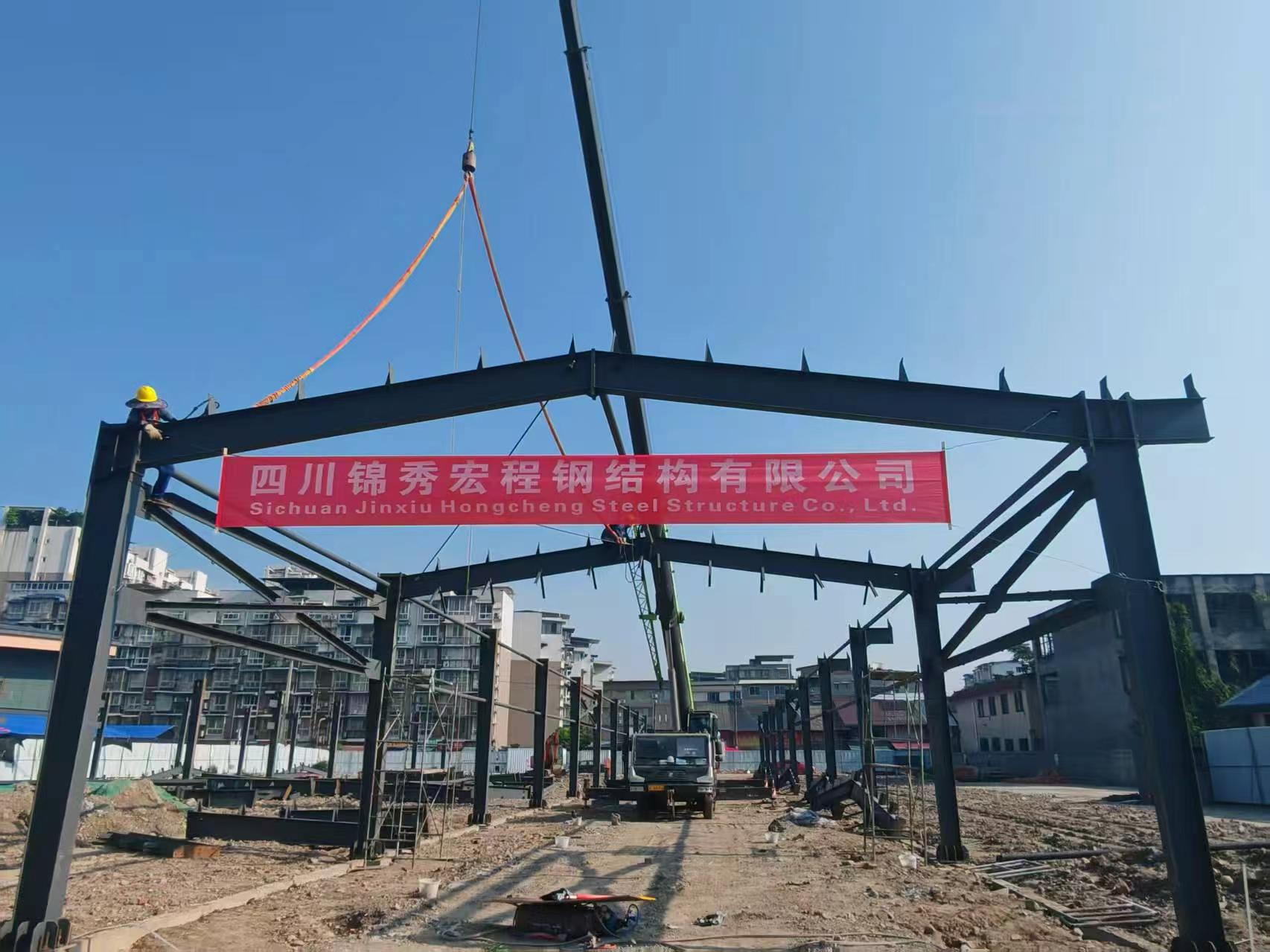
New Zealand Steel Structure Workshop Guide: Seismic Coordination, Weather Tightness and Installation Planning
New Zealand buyers planning a steel structure workshop usually compare suppliers before every dimension, load case and site constraint is fully fixed. That is understandable at early budget stage, but it can also create quotation gaps. A prefabricated steel structure is not a commodity shell; the final frame weight, cladding package, insulation level, crane allowance, corrosion protection, container loading method and installation sequence all depend on project inputs. This guide is written for contractors, developers, distributors, project buyers, builders, importers and channel partners who need a practical way to brief a steel building supplier while still respecting local engineering approval.
The focus is New Zealand workshop projects where seismic review, wind exposure, rain detailing and local installation planning are central buyer concerns. Local code review, site wind exposure, snow or rain demand, seismic category, fire separation, access roads and installation labour practice can change the correct solution. The supplier can prepare a structural proposal and fabrication package, but the final building must be checked by competent local professionals against the applicable building rules. Use this article as a procurement checklist, not as a substitute for engineering calculations or permit advice.
For a broader product starting point, buyers can review our prefab steel warehouse information, compare region-specific procurement pages such as the Saudi Arabia prefab warehouse guide, and check how factory inspection is approached on our quality control page.
1. Start With the Business Function Before Asking for a Frame Price
A useful steel building quotation starts with the operating function. A logistics warehouse needs truck circulation, dock positions, racking loads, forklift turning space and roof drainage that will not interrupt loading. A workshop may need service trenches, ventilation openings, welding extraction, compressed air lines, overhead crane beams and future bay extensions. A hangar has a different priority: door clear width, tail height, clear span, fire access and corrosion protection around large openings. If the supplier receives only length, width and height, the proposal may miss items that later become expensive variations.
Prepare a short design brief before requesting price. State the building use, target market, local site location, approximate plan size, required span, desired clear height, number and size of doors, mezzanine needs, crane system, wall and roof insulation, cladding preference, corrosion environment and preferred delivery port. If budget control is important, separate mandatory items from optional upgrades. This lets the supplier price a workable base building and then show add-on costs for higher insulation, stronger cladding, roof monitors, larger gutters, extra doors or a heavier crane allowance.
Buyers in New Zealand often need early numbers for land acquisition, lender review, tenant discussion or distributor quotation. Early numbers are useful only when assumptions are visible. Ask every supplier to list the design standard assumed, wind load, snow load if relevant, seismic load approach, roof live load, service load, cladding thickness, insulation type, paint or galvanizing system, anchor bolt responsibility, erection scope, delivery term and excluded items. A lower price with hidden exclusions is not a controlled budget.
2. Span, Bay Spacing and Clear Height: The Geometry That Drives Steel Weight
Span is the distance the main frame must cover without intermediate columns. A clear-span building gives open floor space, simple racking and flexible production lines, but the larger moment demand can increase main rafter and column weight. A multi-span building with internal columns can reduce frame weight, but it may interrupt vehicle paths, aircraft movement, crane travel or warehouse racking. The right choice depends on operational value, not only the steel tonnage shown in the quotation.
Clear height is measured to the underside of the lowest obstruction, not simply to the eave. Racking, lighting, fire services, ventilation fans, crane hooks, door tracks and roof bracing can all reduce usable height. A buyer who needs 8 m clear for storage should not accept a drawing that shows 8 m eave height if haunches, purlins or crane beams reduce the working envelope. Confirm clear height at critical zones: under rafters, under haunches, under crane hook, at dock doors and at any mezzanine.
Bay spacing affects purlins, girts, secondary members, cladding support and erection speed. Wider bay spacing can reduce the number of main frames, but secondary members may become heavier and roof panel handling may be less convenient. Narrower spacing can simplify cladding support and reduce secondary member span, but more frames and connections are required. For import projects, bay spacing should also respect container loading, member length, site lifting equipment and installer familiarity.
- Confirm the required clear span separately from the overall building width.
- Define clear height at the working area, crane hook path, loading door and storage area.
- Ask whether any internal columns, tie rods, wall bracing or knee braces affect usable space.
- Check whether future extension is expected at the end wall or side wall.
- Review member length limits for sea container delivery and local road transport.
3. Wind Load, Snow Load and Seismic Load Must Be Local Inputs, Not Generic Defaults
Wind load is often the first major design issue for New Zealand workshop projects where seismic review, wind exposure, rain detailing and local installation planning are central buyer concerns. Coastal exposure, open terrain, cyclonic regions, tall doors and partially enclosed conditions can change the pressure on wall panels, roof sheets, purlins, girts, bracing and anchor bolts. Do not let a supplier guess the wind speed from the country name. Provide the site address, terrain category if known, building importance level, opening sizes and whether large doors may be open during operation. Local engineers can then verify the design basis against the code path used for the permit package.
Snow load may be low in some industrial zones and significant in alpine or elevated regions. Even where snow is not the main issue, roof live load, maintenance access, solar panel allowance and ponding control still matter. If the project is in a snow-prone region, the roof slope, drift zones near higher walls, valley gutters and canopy connections should be reviewed early. A light roof that ignores drift or maintenance loads can create risk after the building is occupied.
Seismic load is not only about the main portal frame. It affects bracing layout, base connections, mezzanine anchorage, crane surge, cladding restraint, partition support and non-structural equipment. For industrial buyers, the common mistake is to treat seismic design as a single percentage added to the steel price. In practice, the design team must understand soil conditions, importance level, ductility approach, bracing system and connection detailing. The supplier should provide drawings and connection information that your local engineer can review, rather than vague statements.
For public references, buyers can start with the Australian Building Codes Board at ABCB, Standards Australia at Standards Australia, and New Zealand building code guidance at Building Performance NZ. These links do not replace project-specific engineering, but they help buyers understand why local compliance cannot be separated from procurement.
4. Cladding, Insulation and Condensation Control
Cladding selection has a direct impact on weather tightness, durability, thermal performance and maintenance. Single-skin steel sheets are economical for basic storage or dry industrial use, but they may not be sufficient for temperature-sensitive goods, offices, workshops with heat load or buildings where condensation can damage inventory. Sandwich panels, roof insulation blankets, vapour barriers, thermal breaks and ventilated roof spaces may be required depending on use and climate.
Insulation should be specified by performance and installation method, not just by thickness. A roof blanket compressed under purlins does not perform the same way as an uncompressed system. Wall sandwich panels may simplify installation but change connection detailing and fire review. If the building includes office pods, cold storage rooms, food-related processing, poultry equipment, sensitive electrical work or tenant comfort requirements, insulation and vapour control should be discussed before the frame is finalized.
For humid coastal or tropical sites, condensation can become a daily maintenance issue. Warm moist air reaching a cool roof surface can drip onto goods, machinery or electrical lines. Ventilation, insulation continuity, anti-condensation membranes, roof slope, gutter capacity and ridge details should be coordinated. Buyers sometimes try to save budget by removing insulation, but the later cost of wet stock, corrosion or tenant complaints can be higher than the original saving.
- Confirm roof and wall sheet profile, base metal thickness, coating and colour before quotation approval.
- Ask whether exposed fasteners or concealed fasteners are proposed for the roof.
- Check corrosion exposure near coastal, industrial, agricultural or chemical environments.
- Define insulation target, vapour barrier requirement and internal liner preference.
- Coordinate gutters, downpipes and stormwater discharge with local rainfall intensity.
5. Crane System, Mezzanine Loads and Equipment Coordination
A workshop or maintenance building may need an overhead crane, monorail, jib crane or gantry crane. The steel frame must be designed for vertical wheel loads, horizontal surge, braking force, runway beam deflection and maintenance access. Adding a crane after fabrication is often difficult because columns, foundations, bracing and connections may not have the reserve capacity. Even if the crane will be installed later, specify the future crane capacity, span, hook height and duty expectation during the design stage.
Mezzanines create similar coordination issues. A light storage mezzanine, office mezzanine and equipment platform have different live loads, vibration expectations, stair requirements, fire separation and egress needs. The mezzanine columns may conflict with warehouse circulation or production lines. If the mezzanine is supplied locally, the main steel building still needs to accommodate openings, support points and lateral loads.
Equipment coordination should include ventilation fans, roof openings, pipe racks, cable trays, solar panels, dust extraction, sprinklers, lighting and suspended services. Every roof penetration and suspended load should be considered before shop drawings. Unplanned cutting through purlins or bracing on site can compromise the design and delay approval.
6. Ventilation, Fire Access and Operational Safety
Ventilation is a procurement issue as much as a mechanical issue. Natural ventilation through ridge vents, wall louvers and high-level openings can support general storage, but workshops with welding, painting, vehicle service or heat-generating equipment may need mechanical extraction. Poultry houses and agricultural buildings require a different air movement strategy because animal welfare and humidity control affect operations. A steel building supplier should know where openings are required, but the ventilation design must be coordinated with local mechanical and code professionals.
Fire access, exit doors, hydrant routes, emergency lighting, compartmentation and separation distance must be checked locally. Industrial buyers sometimes focus on the frame and forget that fire review can change wall rating, door positions, road access and cladding choices. Local safety references such as Safe Work Australia and WorkSafe New Zealand are useful starting points for workplace thinking, while the project authority and code consultant define the actual permit requirements.
Operational safety also affects installation. Lifting plans, temporary bracing, access equipment, bolt tightening sequence, fall protection and weather limits are normally handled by the erection contractor, but the supplier can help by providing clear member marks, erection drawings, bolt lists, packing lists and connection details. A well-packed steel kit reduces time spent searching for parts at height.
7. Fabrication, Coating, Delivery Time and Container Planning
Delivery time is a chain, not a single production promise. It includes design confirmation, local engineering review, shop drawings, material procurement, cutting, drilling, welding, trial assembly where needed, surface treatment, cladding preparation, packing, customs documents, sea freight, port handling and inland delivery. If permit review is still open, the buyer should not demand final fabrication until design changes are controlled. Rework after fabrication can be more expensive than a slower but properly coordinated approval stage.
Surface treatment should match the exposure and maintenance plan. Painted steel may be adequate for many inland industrial buildings, while hot-dip galvanizing or enhanced coating systems may be requested for coastal, agricultural or chemical environments. Coating thickness, touch-up method, bolt protection and site damage repair should be included in the quality file. Ask for inspection photos and packing photos before shipment, especially when multiple containers are involved.
Container planning affects steel member length, bundle weight, unloading sequence and site storage. Heavy bundles should be packed so the erection contractor can unload safely and find the first erection sequence without opening every package. Labels should match the erection drawings. Cladding sheets need protection against bending, moisture and abrasion. If the destination port has congestion or strict documentation practice, build that time into the schedule rather than treating shipping as an afterthought.
Buyers can also review our factory tour and videos pages to understand how steel components, loading and project communication are normally presented.
8. Budget Control: Compare Scope, Not Only Steel Tonnage
Budget control begins with a scope matrix. Put each supplier quote into the same table: design standard, wind load, snow load, seismic load, frame material, secondary steel, bracing, bolts, roof panels, wall panels, insulation, doors, windows, crane beams, mezzanine, gutters, downpipes, paint or galvanizing, anchor bolts, installation support, shipping term and excluded items. Only then can the buyer compare cost honestly.
Steel tonnage alone can mislead. A very light design may exclude load cases, future crane capacity, purlin deflection, cladding support or local connection requirements. A heavier design may include conservative assumptions that the project does not need. Ask why the tonnage differs. The explanation is often more valuable than the number itself.
Procurement teams should also define decision gates. Gate one: concept budget based on assumed loads. Gate two: revised quotation after local engineer feedback. Gate three: shop drawing approval. Gate four: fabrication release. Gate five: pre-shipment inspection and documents. This structure prevents the common problem where a buyer treats the first budget price as a fixed contract price even after the design basis changes.
9. Installation and Maintenance Planning
Installation planning should begin while the building is still being priced. Site access, crane position, laydown area, slab readiness, anchor bolt accuracy, temporary bracing, weather window and labour skill all affect erection speed. A prefabricated steel kit can be efficient, but only when the site team receives drawings, packing lists and connection information early enough to plan. If the buyer expects the local contractor to install the building, make sure the contractor reviews the drawings before shipment.
Maintenance is often simple but should not be ignored. Roof fasteners, gutters, downpipes, sealants, door tracks, crane runway alignment, paint damage, corrosion at base plates and wall panel scratches should be inspected periodically. For coastal or industrial environments, wash-down frequency and coating touch-up matter. For high-wind areas, roof edges, ridge caps and wall fixings deserve special attention after severe weather.
A practical maintenance file should include final drawings, coating data, cladding data, bolt grades, paint touch-up instructions, installation photos, inspection records and supplier contacts. This helps future tenants, insurers, facility managers and repair contractors understand the building instead of guessing.
10. New Zealand Buyer Checklist Before Requesting a Formal Quote
- Site location, local authority, intended building use and permit pathway.
- Plan dimensions, required span, clear height and future extension direction.
- Wind load, snow load where applicable, seismic load and building importance category for local review.
- Roof and wall cladding type, insulation, vapour control and corrosion environment.
- Crane system, mezzanine, equipment openings, ventilation and fire access requirements.
- Door sizes, dock doors, personnel doors, windows, gutters and downpipe layout.
- Delivery term, destination port, container unloading equipment and required delivery time.
- Installation responsibility, local code review responsibility and budget contingency rules.
FAQ for Geo Buyers
What is different about buying a steel workshop for New Zealand?
New Zealand buyers should give early attention to seismic coordination, wind exposure, corrosion environment, rainwater detailing and local consent documentation. The overseas supplier can provide fabrication drawings and calculations, but a local professional should review compliance for the specific site.
How should seismic load be discussed with the supplier?
Do not ask for a generic seismic allowance. Provide site location, building use, importance level if known, crane or mezzanine loads and any local engineer comments. Request bracing layout, base connection information and connection details that can be reviewed by the local design team.
What clear height should a workshop specify?
Specify the usable height below rafters, haunches, crane hooks, lights and suspended services. If vehicle lifts, gantry cranes, tall doors or mezzanines are planned, show them on the layout before the supplier prices the frame.
Is hot-dip galvanizing required for New Zealand workshops?
It depends on exposure, maintenance expectation and project specification. Coastal or aggressive environments may require enhanced corrosion protection, while many inland sites use painted steel. The coating decision should be reviewed against local exposure and maintenance plans.
Can local installers erect an imported steel workshop kit?
Yes, if the kit is packed and documented correctly. The local installer should review erection drawings, member marks, bolt lists, temporary bracing needs, crane access and unloading sequence before shipment arrives.
Closing Notes
A steel structure workshop can control project cost and installation time when the buyer defines span, clear height, wind load, snow load, seismic load, insulation, cladding, crane system, ventilation, installation scope, delivery time, local code review, budget control and maintenance before fabrication. The most useful supplier conversation is not “send the lowest price”; it is “here is the project basis, please show the included scope, assumptions and options.” For a quotation discussion, start from the steel structure building supplier page and prepare the checklist above.
11. Common Mistakes New Zealand Buyers Make During Procurement
A common mistake is over-focusing on the steel frame while under-specifying the envelope and site details. In rainy or windy conditions, roof laps, gutters, flashings, doors and penetrations deserve as much attention as the main frame. Buyers should ask how the supplier plans to handle weather tightness at roof edges, wall openings and service entries. Another mistake is leaving electrical, ventilation and fire services until after the structure is already in fabrication. That often forces site cutting or rework.
A second mistake is accepting vague seismic wording. A phrase such as “seismic considered” is not enough for a project brief. Buyers should ask which design basis is assumed, how bracing is arranged, how crane or mezzanine loads are transferred and what local engineer review is required. The goal is not to turn procurement into engineering, but to prevent unpriced assumptions from becoming claims later. A clear scope note is the simplest tool for keeping the budget under control.