
Pre-Engineered Steel Buildings vs Conventional Construction: Total Cost Analysis for Industrial Projects

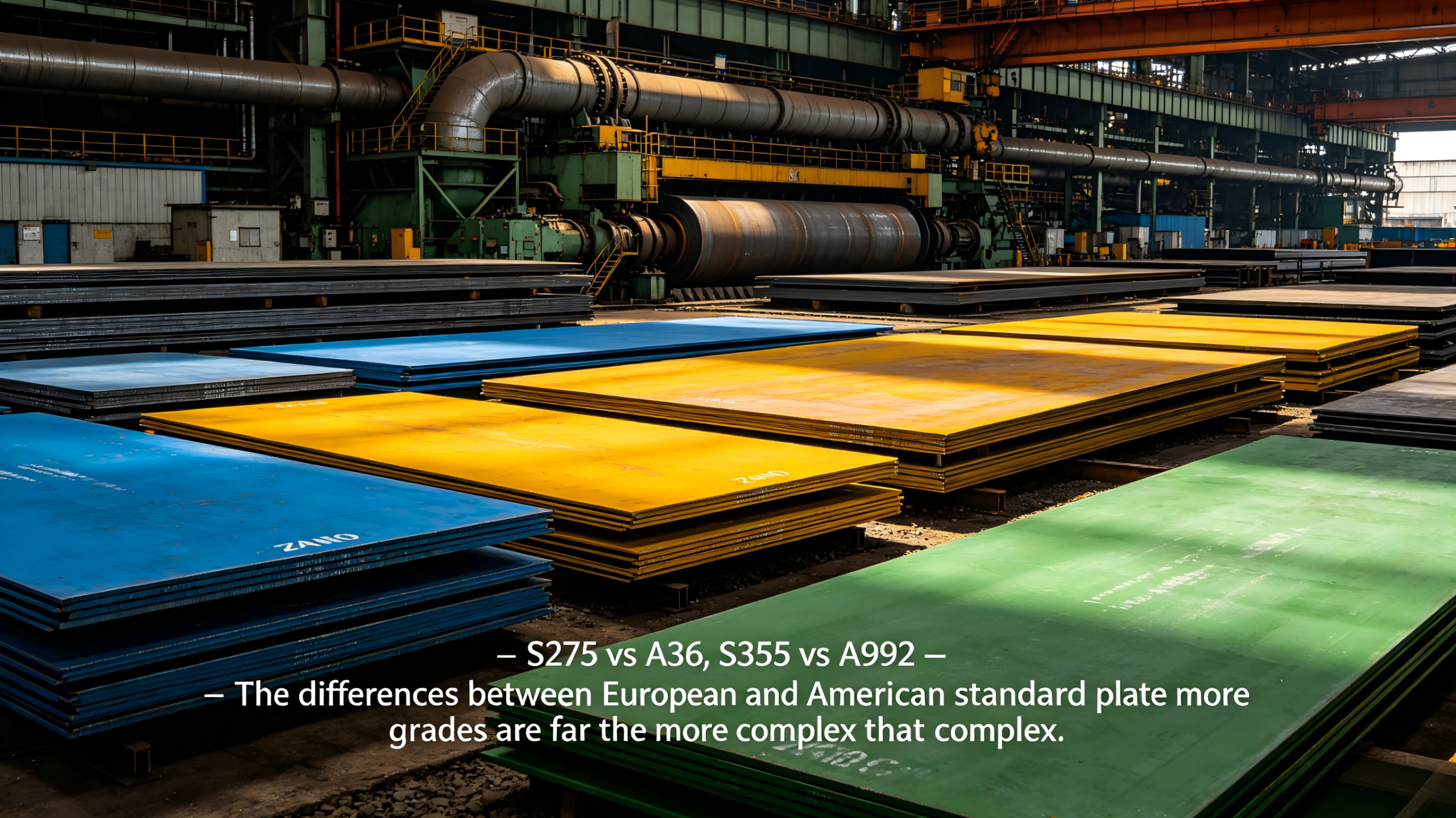
When planning industrial facilities — warehouses, manufacturing plants, logistics centers — the choice between pre-engineered steel buildings (PEB) and conventional construction methods impacts project timelines, budgets, and long-term operational costs. This analysis breaks down the true cost comparison across the full project lifecycle.
Upfront Construction Costs
Pre-engineered steel buildings typically cost 15-30% less than conventional steel or concrete frame construction for equivalent floor area. The savings come from:
- Optimized material usage: Computer-designed members use minimum steel weight for required load capacity
- Factory fabrication efficiency: Repetitive manufacturing processes reduce labor cost per ton
- Faster erection: Bolted connections and pre-punched holes eliminate on-site fabrication
- Lighter foundations: Reduced building weight means smaller foundation requirements
For a typical 5000m² warehouse with 12m eave height, expect these approximate cost ranges:
Pre-engineered steel: $45-65/m² (structure + cladding + basic MEP)
Conventional steel frame: $70-95/m² (equivalent specification)
Reinforced concrete frame: $85-120/m² (equivalent specification)
Timeline Comparison
Project speed often determines the real economic advantage of PEB construction:
Design phase: PEB uses standardized connection details and software-generated drawings, reducing design time from 8-12 weeks (conventional) to 3-4 weeks.
Fabrication: Factory production of PEB components takes 6-8 weeks. Conventional steel requires 10-14 weeks for complex fabrication and welding.
Erection: A 5000m² PEB can be erected in 4-6 weeks with a crew of 12-15. Equivalent conventional construction requires 10-16 weeks.
Total project duration: PEB projects typically complete 30-40% faster than conventional alternatives, allowing earlier revenue generation from the completed facility.
Long-Term Operational Costs
Beyond construction, operational costs over a 30-year building life include:
Maintenance: PEB cladding systems with factory-applied coatings require minimal maintenance — typically re-coating every 15-20 years. Conventional concrete structures may develop cracking, water ingress, and reinforcement corrosion requiring periodic repair.
Energy efficiency: Modern PEB systems incorporate insulated sandwich panels with U-values as low as 0.3 W/m²K, matching or exceeding conventional wall systems. Ridge ventilation and translucent panels reduce artificial lighting needs.
Expansion flexibility: PEB buildings designed with expansion in mind can be extended by removing an end wall and bolting additional bays — a process taking weeks rather than months. Conventional structures are inherently more difficult to extend.
When Conventional Construction Still Wins
PEB is not always the optimal choice. Conventional construction may be preferred when:
- Multi-story structures are required (PEB excels in single-story clear span)
- Heavy crane loads exceed 50 tons (PEB frames have practical limits)
- Architectural expression demands complex forms, curves, or non-standard geometries
- Fire rating requirements mandate concrete construction
- Local building codes restrict steel construction in certain zones
Making the Decision
For most industrial applications — warehouses, factories, aircraft hangars, agricultural buildings — pre-engineered steel delivers the best value proposition. The combination of lower upfront cost, faster completion, and operational flexibility makes PEB the default choice for projects where clear-span interior space is the primary requirement.
Request comparative quotations from both PEB manufacturers and conventional contractors for your specific project parameters. Ensure both quotes include identical specifications for cladding, insulation, MEP provisions, and foundation design to enable like-for-like comparison.