Key Factors to Consider When Designing a Steel Structure Warehouse

Design plays a critical role in the performance, safety, and long-term value of a steel structure warehouse. A well-designed warehouse can improve operational efficiency, reduce construction costs, and ensure structural reliability under different environmental conditions.
Before starting a steel warehouse project, customers should carefully evaluate several important design factors to ensure the building fully meets operational and engineering requirements.
In this article, we will discuss the key factors that should be considered when designing a steel structure warehouse.
1. Building Purpose and Usage
The first step in warehouse design is understanding the intended application of the building.
Different projects may require different structural solutions depending on their operational needs.
Common applications include:
- Industrial storage
- Manufacturing workshops
- Logistics distribution centers
- Agricultural storage
- Equipment warehouses
The building purpose affects structural layout, roof height, door systems, ventilation, and load requirements.
2. Building Dimensions
Warehouse dimensions directly affect structural design and material consumption.
Important dimensions include:
- Building width
- Building length
- Eave height
- Roof slope
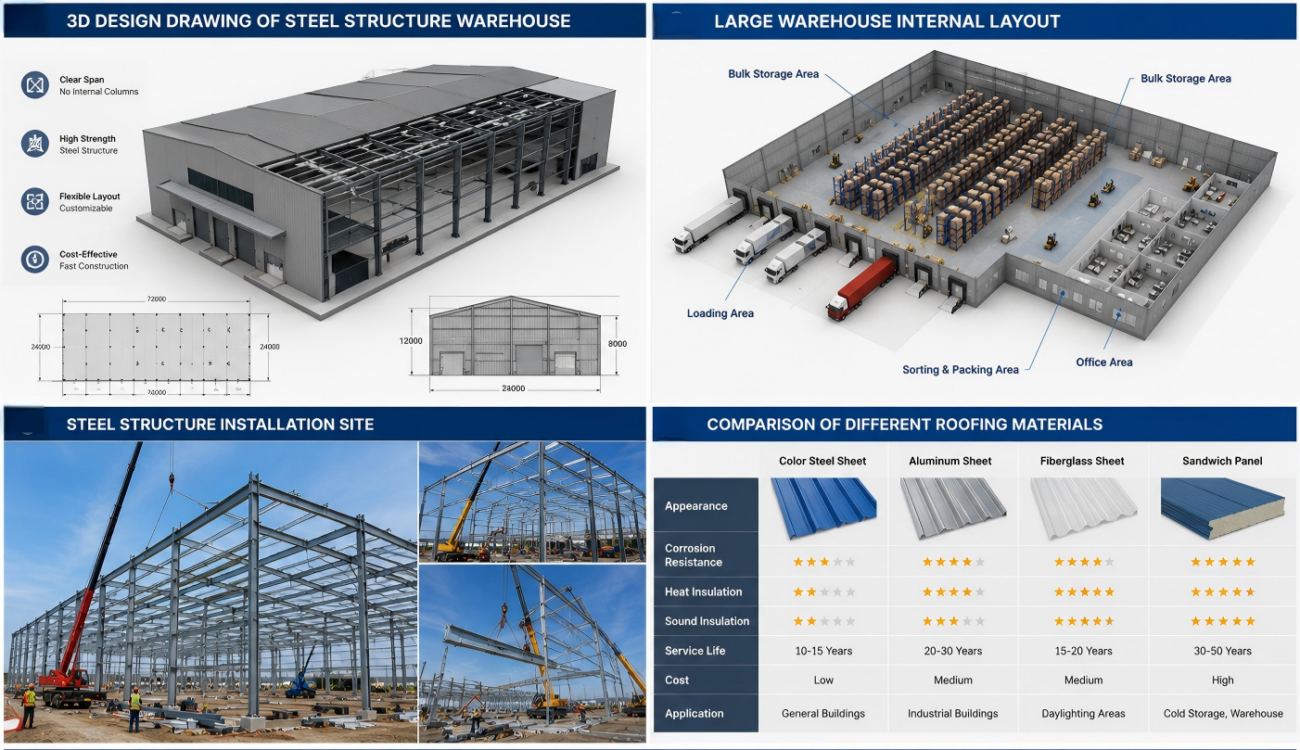
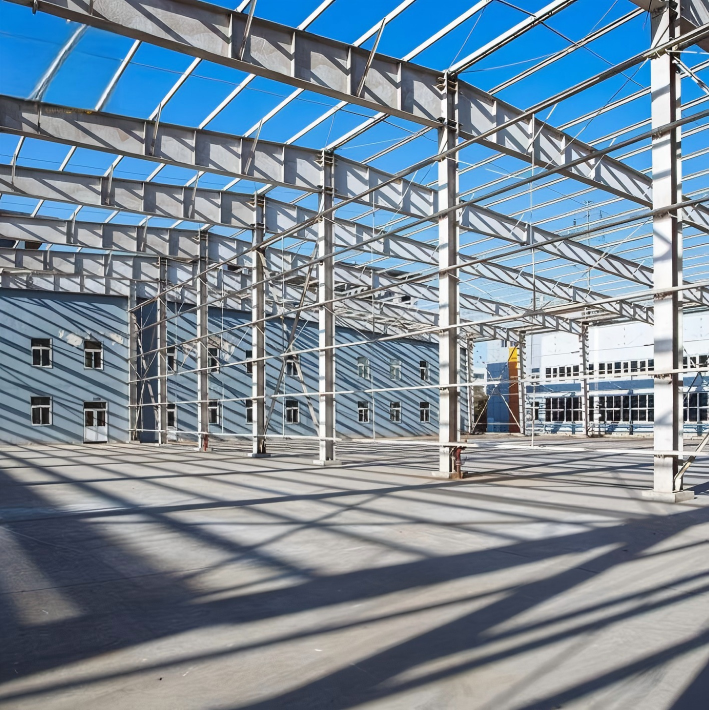
Clear-span steel structures are often preferred because they provide large unobstructed interior spaces without internal support columns.
Proper dimension planning can improve storage efficiency and equipment movement.
3. Wind Load and Snow Load Requirements
Environmental conditions must be considered during structural design.
Different countries and regions have different engineering standards for:
- Wind resistance
- Snow load
- Seismic performance
Professional steel structure engineers can optimize the building design according to local climate conditions to ensure structural safety and durability.
This is especially important for projects located in coastal or high-wind regions.
4. Roof and Wall Cladding Systems
Selecting suitable wall and roof materials is another important design factor.
Common options include:
- Corrugated steel sheets
- Sandwich panels
- PU insulated panels
- Rock wool panels
Insulated panels can improve thermal performance and energy efficiency for industrial buildings.
For customized steel warehouse systems, visit:
5. Ventilation and Lighting Design
Good ventilation and lighting can greatly improve the working environment inside the warehouse.
Common solutions include:
- Roof ventilators
- Skylights
- Louvers
- Natural ventilation systems
Proper ventilation also helps reduce moisture and improve equipment protection.
6. Surface Treatment and Corrosion Protection
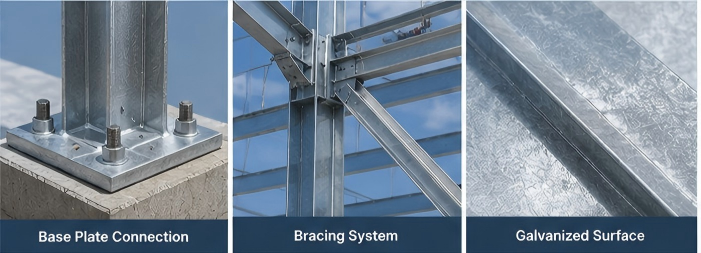
Surface treatment is important for extending the service life of steel structures.
Depending on project location and environmental conditions, customers can choose:
- Hot-dip galvanizing
- Anti-corrosion painting
- Powder coating
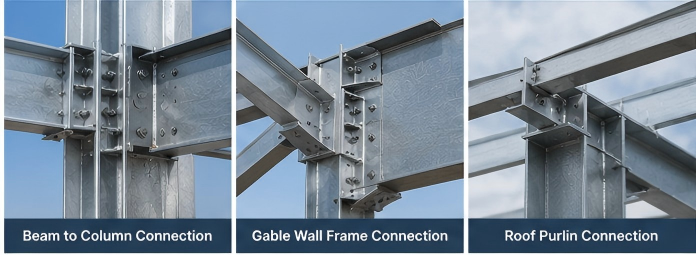
Galvanized steel structures are especially suitable for humid and coastal environments.
7. Future Expansion Possibilities
Many industrial businesses continue to grow after project completion.
Steel structure warehouses can be designed with future expansion in mind, allowing customers to extend the building more easily when operational needs increase.
This flexibility makes steel buildings highly practical for long-term industrial development.
Conclusion
Designing a steel structure warehouse requires careful consideration of building usage, dimensions, environmental conditions, material selection, and future operational needs.
A professional engineering design can help improve construction efficiency, reduce project costs, and ensure long-term structural performance.
If you are planning a steel structure warehouse project, our engineering team can provide customized design support and complete project solutions.
Contact us today for professional consultation:
Get a quote